 By admin
 Do you find yourself waking up drenched in sweat or experiencing sudden surges of irritability over minor issues? These perplexing bodily changes, often emerging in your mid-40s or later, are frequently linked to the significant hormonal shifts characteristic of the menopausal transition. Many women are initially taken aback, often attributing these symptoms to everyday stress, the natural aging process, or other unrelated factors. However, gaining an early understanding of these patterns is crucial. It empowers you to comprehend what’s occurring within your body and actively seek strategies to regain a sense of well-being and familiarity with yourself. As you explore these indicators, a deeper, unifying connection among them will become apparent.
Understanding the Menopausal Transition
Menopause is clinically defined as the point when a woman has ceased menstruating for 12 consecutive months, typically occurring around the age of 51 in the United States. Yet, the journey leading up to this, known as perimenopause, can span several years. During this phase, fluctuating levels of estrogen and progesterone can significantly impact sleep quality, mood stability, and various other bodily functions. Medical insights from reputable institutions such as the Mayo Clinic and Cleveland Clinic highlight the broad spectrum of symptoms women experience, often making it challenging to identify the root cause immediately. Recognizing these profound changes is the first step towards managing symptoms effectively and finding comfort.
9 Key Signs of Menopause to Recognize
Based on extensive medical research and common experiences, here are nine prevalent indicators that many women observe during their menopausal journey:
1. Hot Flashes and Night Sweats
Among the most widely recognized symptoms of menopause, hot flashes involve an abrupt sensation of intense heat that typically radiates across the upper body, frequently succeeded by profuse sweating and a subsequent chill. These episodes can manifest at any time, day or night, and may persist for a few seconds to several minutes. Research suggests that a significant majority, up to 80% of women, encounter hot flashes during this transition. Night sweats, which can be severe enough to drench bedding and severely interrupt sleep, are particularly common. The physiological changes associated with these events include:
- A sudden feeling of warmth in the face, neck, and chest area.
- Noticeable skin flushing and an accelerated heart rate.
- A clammy sensation on the skin following the heat surge.
Should these occurrences become regular, maintaining a log of their timing and triggers can be highly beneficial in identifying patterns.
2. Irregular Menstrual Cycles
A notable shift in your menstrual pattern is frequently one of the earliest signs of perimenopause. Your cycle may become highly erratic, characterized by skipped periods, an earlier-than-usual arrival, or variations in flow—either heavier or lighter. This unpredictability signals that ovulation is becoming less consistent. Many women first observe these changes during their forties. While it’s easy to attribute such shifts to stress, persistent irregularities warrant careful consideration. These changes often precede alterations in daily emotional well-being.
3. Mood Swings and Increased Irritability
One moment you might feel perfectly composed, and the next you find yourself reacting disproportionately to minor annoyances or experiencing sudden bouts of tearfulness. These dramatic emotional shifts are largely due to hormonal fluctuations impacting brain chemistry. Prestigious institutions such as Johns Hopkins affirm that a considerable number of women encounter significant mood alterations during this phase. While it’s tempting to dismiss these as merely “a bad day,” their frequent occurrence often points to the same underlying hormonal adjustments responsible for other menopausal indicators. Have you also noticed your focus isn’t what it used to be?
4. Cognitive Changes (Brain Fog)
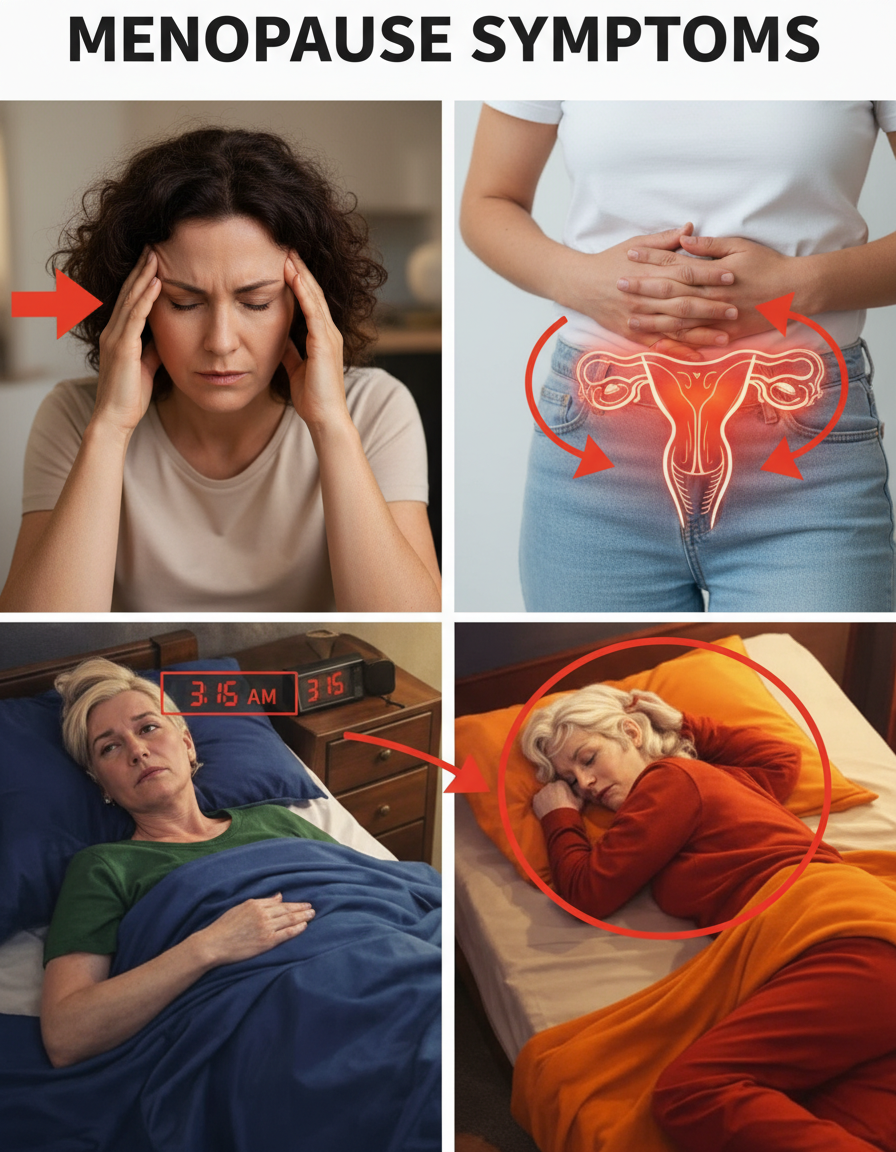
Many women report experiencing what’s commonly described as “brain fog”—difficulty concentrating, struggling to recall names during conversations, or a general sensation of mental haziness, as if thoughts are moving through a dense mist. Estrogen is known to play a vital role in cognitive function, and its reduction can contribute to these transient lapses in mental clarity. Discussions from Harvard Health emphasize how these changes can specifically impact focus and memory for some individuals. While it’s easy to attribute this to a busy lifestyle, daily occurrences often indicate a deeper connection to hormonal shifts. This mental fogginess frequently co-occurs with persistent tiredness.
5. Persistent Fatigue
A pervasive feeling of exhaustion, even following what seems like adequate sleep, can be incredibly disheartening. This deep-seated tiredness often stems from interrupted rest due to night sweats or the direct impact of hormonal fluctuations on energy levels. Resources from the Cleveland Clinic confirm that this profound exhaustion is a common complaint for many women navigating the menopausal transition. If restorative sleep fails to rejuvenate you, it may be linked to the wider physiological changes occurring. Concurrent with this, many women also notice changes in their body weight.
6. Weight Gain, Particularly Abdominal
Are you observing an accumulation of extra weight around your midsection, even if your dietary and exercise habits haven’t significantly altered? The decline in estrogen can lead to a slower metabolism, making weight management more challenging. Insights from the Mayo Clinic indicate that this specific abdominal weight gain is a very common phenomenon during menopause. The persistent and often resistant nature of this change frequently catches women by surprise. Furthermore, intimate comfort can also undergo significant alterations.
7. Vaginal Dryness and Discomfort
As estrogen levels diminish, the vaginal tissues can become thinner and drier, leading to discomfort during sexual activity or even in daily life. This condition is prevalent among women experiencing menopause and can significantly affect intimacy. Data from the National Institutes of Health (NIH) highlights this as a frequently reported concern. Fortunately, straightforward solutions such as specialized vaginal moisturizers or lubricants often provide substantial relief. These physical shifts are frequently accompanied by disturbances in sleep patterns.
8. Sleep Disturbances
Difficulty initiating sleep, frequent nocturnal awakenings, or waking up feeling utterly unrefreshed are widespread complaints during menopause. While night sweats are a major contributor to disrupted sleep, hormonal influences on the body’s natural sleep-wake cycles also play a crucial role. References from Stanford Medicine confirm that a substantial percentage of women encounter significant sleep issues throughout this transition. Beyond these common signs, there’s another often overlooked symptom that impacts daily comfort.
9. Joint Pain and Stiffness
Many women report experiencing new or worsened joint pain, stiffness, and aches during the menopausal transition. Estrogen plays a role in lubricating joints and reducing inflammation, so its decline can exacerbate these symptoms. This discomfort can affect various joints, including knees, hips, and fingers, impacting mobility and overall quality of life. While often dismissed as general aging, this can be a direct result of hormonal shifts during menopause.
Recognizing these nine signs is more than just identifying symptoms; it’s about understanding the interconnected journey your body is undergoing. The common thread linking all these seemingly disparate experiences is the profound shift in your hormonal landscape, particularly the decline in estrogen. By acknowledging these indicators, you can empower yourself to seek appropriate medical advice, explore effective management strategies, and navigate this significant life stage with greater confidence and comfort. Remember, you are not alone in this experience, and support is available.