 By admin
 Navigating the Change: 9 Key Menopause Symptoms Every Woman Should Recognize
Are you in your mid-forties or beyond, experiencing bewildering changes like sudden, drenching night sweats or frustrating moments where your thoughts seem to vanish mid-sentence? These shifts can feel disorienting and isolating. Menopause is a significant, natural life transition affecting countless women globally, bringing a complex array of physical and emotional symptoms that can profoundly impact daily life – from disrupted sleep and energy levels to strained relationships due to mood fluctuations. Recognizing these indicators is crucial for feeling more informed, less alone, and empowered to seek appropriate support. Delve into nine common signs of the menopausal transition, backed by expertise from trusted organizations like the Mayo Clinic and The Menopause Society.
Why Menopause Often Feels Perplexing and Overwhelming
The menopausal journey often feels perplexing and overwhelming because its onset can be subtle and its symptoms diverse. Clinically, menopause is confirmed after 12 consecutive months without a menstrual period, typically occurring around the age of 52 in the United States. This milestone marks a significant decline in ovarian estrogen production, a pivotal hormonal shift that influences everything from sleep patterns and mood stability to body temperature regulation. Many women find themselves unprepared, unsure whether their experiences are due to stress, the natural aging process, or something else entirely. The preceding phase, perimenopause, can span several years, characterized by erratic hormonal fluctuations and unpredictable changes that intensify feelings of uncertainty and daily frustration. While every woman’s experience is unique, understanding these underlying hormonal dynamics can bring much-needed clarity. Let’s explore the most prominent indicators, beginning with a universally recognized symptom.
9. Hot Flashes and Night Sweats – The Sudden Heat Waves
Among the most iconic and disruptive symptoms of menopause are hot flashes and night sweats, often described as sudden, intense waves of heat. A hot flash typically begins with a sensation of warmth spreading rapidly through the chest, neck, and face, often culminating in profuse sweating, followed by a chilling sensation. Night sweats are essentially hot flashes that occur during sleep, frequently soaking bedding and disrupting precious rest, leading to chronic fatigue and irritability the following day. These vasomotor symptoms, experienced by up to 80% of women during the menopausal transition, are directly linked to fluctuating estrogen levels that interfere with the body’s thermoregulation system – its internal thermostat.
- Abrupt, intense warmth in the upper body
- Heavy sweating, particularly during sleep
- Episodes that are brief (seconds to minutes) and unpredictable
8. Irregular Periods – When Cycles Become Unpredictable
Before periods cease entirely, many women encounter irregular menstrual cycles. During perimenopause, your periods might become shorter or longer, significantly heavier or lighter, or even skip months altogether, sometimes accompanied by unexpected spotting. This unpredictability can make planning challenging and raise concerns about what constitutes ‘normal.’ These shifts are a direct consequence of erratic ovulation patterns and declining estrogen levels. While it’s easy to dismiss such changes as stress-induced or related to travel, persistent irregularities spanning several months are a hallmark of the menopausal transition. Maintaining a menstrual diary can be invaluable for identifying patterns amidst the frustration of these unreliable cycles. This hormonal turbulence often paves the way for emotional shifts.
7. Mood Swings and Irritability – Emotional Rollercoasters
Many women report experiencing intense mood swings and heightened irritability, feeling like they’re on an emotional rollercoaster. You might find yourself calm one moment, then disproportionately snapping at minor annoyances the next, followed by immediate regret or unexpected tears. These profound emotional fluctuations are closely linked to estrogen’s significant role in regulating brain chemistry, which directly affects mood stability. Feeling ‘not quite yourself’ can be deeply unsettling, straining personal relationships and eroding self-confidence. While external stressors certainly play a role, the intensity of these emotional shifts during menopause is often rooted in underlying hormonal changes. Often accompanying these mood shifts is a noticeable decline in cognitive clarity.
6. Brain Fog – When Focus and Memory Slip
A commonly reported, yet often perplexing, symptom is brain fog, characterized by a noticeable slip in focus and memory. This might manifest as forgetting names, losing your train of thought mid-sentence, or struggling to maintain concentration during work or conversations, making everyday tasks feel unusually effortful. Many describe it as a persistent mental cloudiness. This cognitive slowdown is primarily attributed to estrogen’s crucial role in supporting brain function, compounded by sleep disturbances and mood changes common during this transition. Approximately two-thirds of women report experiencing memory complaints as they navigate menopause. While it can be alarming and lead to concerns about permanent aging, this cognitive fogginess is frequently temporary. The challenge of persistent fatigue often exacerbates these cognitive difficulties.
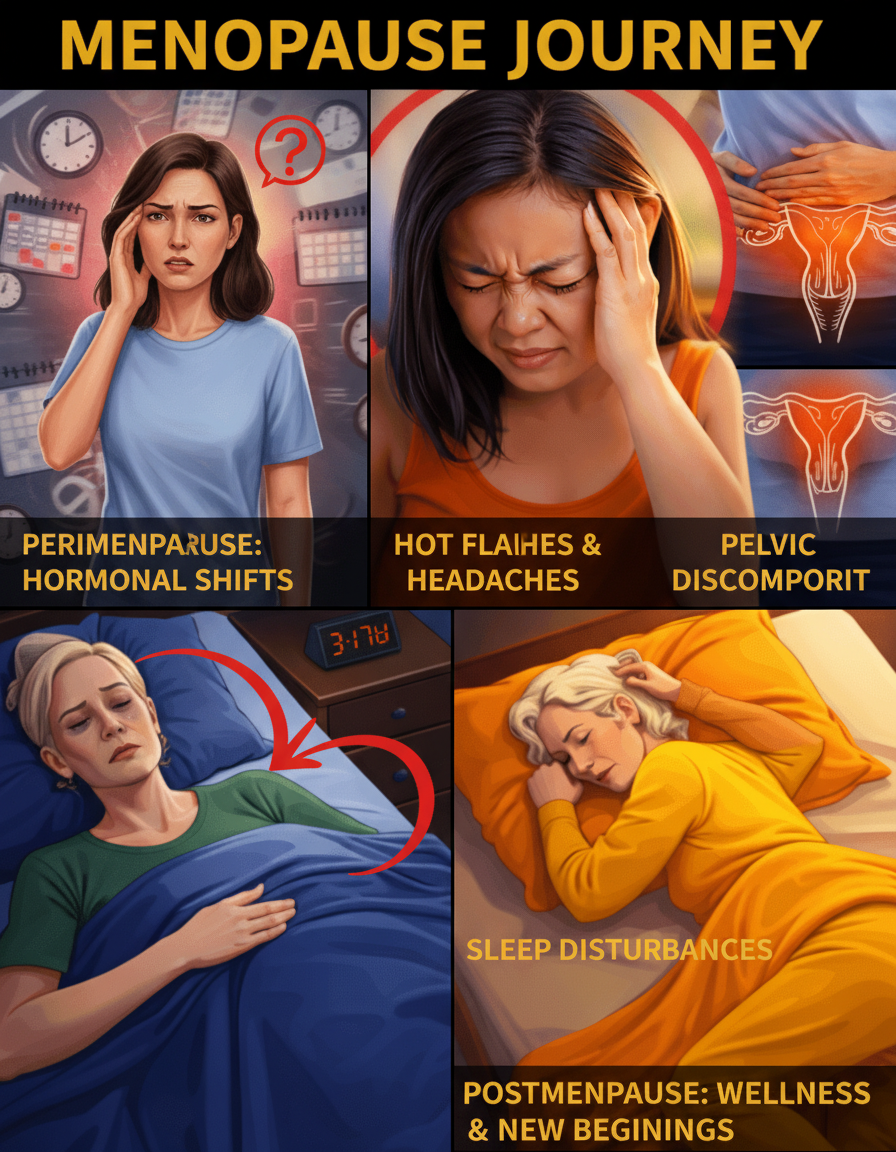
5. Fatigue – Constant Tiredness Despite Rest
Experiencing persistent fatigue – a profound, constant tiredness that lingers even after a full night’s sleep – is another hallmark symptom. This deep exhaustion can make simply getting through the day feel draining and significantly curtail your ability to enjoy activities you once loved. It’s a complex symptom, often a cumulative effect of disrupted sleep from night sweats, the direct impact of hormonal fluctuations on energy levels, and the emotional toll of mood changes. Many women initially dismiss this as simply part of busy life demands, but chronic, unrelieved fatigue can be a strong indicator of the menopausal transition. This often appears alongside noticeable changes in body composition.
4. Weight Gain – Especially Around the Midsection
Many women observe unexplained weight gain, particularly a stubborn accumulation of fat around the midsection or abdomen. This can occur even if their diet and exercise routines remain consistent. The primary culprit is a slower metabolism, directly influenced by declining estrogen levels during menopause. This frustrating shift makes it harder to maintain a familiar body shape and can significantly impact body image and self-esteem. While it’s easy to blame occasional dietary indulgences, hormonal factors are often the central drivers behind this change.
- Pronounced increase in abdominal fat
- Increased difficulty losing weight, even with consistent healthy habits
- Directly connected to a slower metabolic rate
3. Vaginal Dryness – Discomfort in Intimacy
Moving to a more intimate aspect, vaginal dryness is a common and often distressing symptom. The decline in estrogen causes the vaginal tissues to become thinner, less elastic, and less lubricated, leading to discomfort, itching, and sometimes painful intercourse. This condition, part of what’s known as Genitourinary Syndrome of Menopause (GSM), can significantly impact a woman’s sexual health and overall quality of life. It’s a physical change that many women are hesitant to discuss, but effective treatments are available. This discomfort can affect not just physical intimacy but also daily comfort.
2. Joint Pain and Aches – Unexplained Discomfort
Another frequently overlooked symptom is joint pain and stiffness. Many women begin to experience unexplained aches in their joints, such as knees, hips, and shoulders, which can range from mild discomfort to significant pain. While often attributed to aging or arthritis, this increase in joint pain during menopause is linked to decreasing estrogen levels, which play a role in maintaining cartilage and reducing inflammation. This can impact mobility and make everyday activities uncomfortable.
1. Hair Thinning and Skin Changes – Alterations in Appearance
Finally, many women notice changes in their hair and skin. Hair thinning, often accompanied by a drier, more brittle texture, is common as estrogen supports hair growth and follicle health. Simultaneously, the skin may become drier, less elastic, and more prone to wrinkles due to reduced collagen production, also influenced by declining estrogen. These visible changes can affect self-image and confidence, serving as another physical reminder of the body’s transition.
Navigating the menopausal transition can be challenging, but recognizing these nine common signs is the first step toward understanding and managing your experience. Remember, you are not alone, and these symptoms are valid. If you are experiencing any of these indicators, consulting with a healthcare professional specializing in women’s health is highly recommended. They can offer personalized advice, discuss treatment options, and provide strategies to help you navigate this natural, yet often complex, phase of life with greater comfort and confidence.