 By admin
 Navigating Nerve Health After 60: 10 Subtle Changes You Shouldn’t Ignore
As you begin your day, you might occasionally notice an unfamiliar sensation. Perhaps your feet feel a little numb when you first stand up, or a fleeting tingling sensation passes through your hands. For many individuals over 60, these subtle shifts are often dismissed as normal aspects of getting older. However, such changes can sometimes be important indicators of underlying nerve health issues. A condition known as peripheral neuropathy involves damage or irritation to the nerves located beyond the brain and spinal cord. Identifying these initial warning signs promptly can empower individuals to seek timely medical consultation and gain a clearer understanding of what their body might be communicating.
What Peripheral Neuropathy Is
Peripheral neuropathy arises when the nerves responsible for transmitting signals between the brain, spinal cord, and the rest of the body suffer damage or irritation. These crucial nerves govern a variety of essential bodily functions, including:
- The perception of sensations like touch and temperature
- The coordination of muscle movement
- Regulation of specific involuntary bodily processes, such as digestion
This condition can stem from various factors, such as diabetes, nutritional deficiencies, infections, physical trauma, or even certain pharmaceutical treatments. The symptoms frequently emerge subtly and progress slowly, making them easy to overlook in their initial stages.
1. Numbness or Reduced Sensation in the Feet
Among the earliest and most commonly reported indicators of nerve health changes is a diminished sensation in the feet. Individuals often characterize this experience as:
- A generalized numbness
- A persistent “sock-like” or “glove-like” feeling
- Impaired ability to discern temperature or tactile sensations
Initially, this symptom might be mild, but it can gradually intensify over months or years. Given that proper sensation is vital for protecting the feet from harm, a reduction in feeling significantly raises the likelihood of sustaining unnoticed injuries, cuts, or developing sores.
2. Tingling or “Pins and Needles”
Another prevalent early symptom individuals often describe is a distinct tingling sensation. This particular feeling can manifest as:
- The classic “pins and needles” sensation
- An electrical buzzing or vibrating feeling
- Subtle vibrations, frequently noted in the hands or feet
Initially, this sensation might occur sporadically, but it often progresses to become more consistent and frequent over time.
3. Burning Sensation in the Feet or Hands
Certain individuals experiencing nerve issues may report a persistent burning or intensely hot sensation within the affected regions. This discomfort is frequently localized in the feet and often becomes more pronounced during nighttime hours. The intensity of this burning can range from a subtle warmth to a deeply distressing and significant level of pain.
4. Sharp or Shooting Nerve Pain
Peripheral neuropathy can sometimes trigger acute nerve pain, characterized by sharp or stabbing sensations. Patients commonly liken this experience to:
- Sudden electric shock sensations
- Abrupt, shooting pains that travel along a nerve path
- Pain that is disproportionately severe, even when caused by a light touch or pressure (allodynia)
The onset of these painful sensations can be quite unpredictable, appearing without warning.
5. Muscle Weakness or Loss of Coordination
Beyond sensation, peripheral nerves are also integral to regulating muscle movement and strength. When these vital nerves are compromised, individuals might observe:
- Noticeable weakness developing in the legs or hands
- Increased difficulty in firmly gripping objects
- Challenges with maintaining stable balance and coordination
For older adults, this particular symptom is a significant concern as it can substantially elevate the risk of accidental falls.
6. Sensitivity to Touch
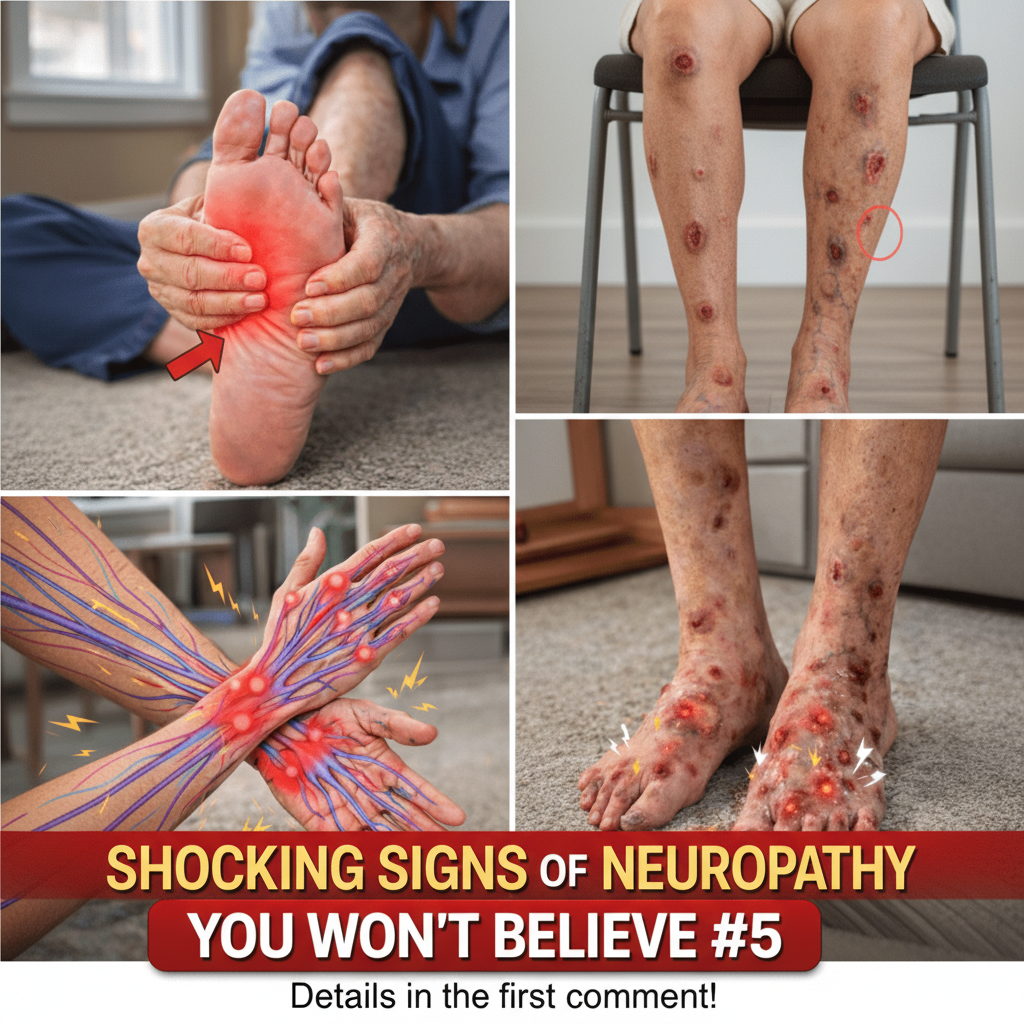
Interestingly, while numbness is common, neuropathy can sometimes manifest with the opposite effect: heightened sensitivity to touch. In such instances, the affected nerves become hyper-responsive. Even the most gentle contact, like the brush of bed sheets against the skin, can provoke significant discomfort or pain.
7. Changes in Temperature Sensation
Damage to nerve fibers can also impair the body’s capacity to accurately perceive temperature. Individuals might experience difficulty differentiating between hot and cold surfaces. This diminished temperature sensitivity can unfortunately elevate the risk of burns or other injuries, as the skin may fail to register dangerously extreme temperatures.
8. Digestive or Autonomic Changes
Certain peripheral nerves play a crucial role in regulating automatic bodily functions, including the digestive system and other autonomic processes. When these specific nerves are compromised, a range of symptoms can emerge, such as:
- Unexplained digestive irregularities or discomfort
- Alterations in typical appetite patterns
- A sensation of feeling uncomfortably full very quickly after starting a meal
It’s important to note that these particular symptoms are highly variable and can stem from numerous other potential health conditions.
9. Sleep Disturbances Due to Nerve Discomfort
The discomfort associated with nerve sensations frequently intensifies during the nighttime hours. This heightened awareness can significantly interfere with the ability to fall asleep or maintain a restful sleep throughout the night. It is not uncommon for individuals to first become aware of their neuropathy symptoms while lying down and trying to rest in bed.
The Importance of Medical Evaluation
Given that numerous medical conditions can present with symptoms mirroring those of neuropathy, a professional medical evaluation is paramount. Healthcare providers employ various diagnostic approaches to thoroughly assess nerve health, which may include:
- A comprehensive physical examination
- Specific blood tests to check for underlying conditions or deficiencies
- Specialized nerve conduction studies to measure electrical activity in nerves
- Advanced imaging tests, such as MRI, when deemed necessary to visualize nerve damage or compression
Prompt and accurate evaluation is crucial for pinpointing the root cause of the symptoms and subsequently guiding the most effective course of treatment and management.
Final Thoughts
Peripheral neuropathy frequently manifests with a gradual onset, with its initial symptoms often being quite subtle. Sensations like persistent tingling, numbness, burning discomfort, or unexpected muscle weakness should never be dismissed, particularly for those over the age of 60. While it’s true that many of these indicators can be attributed to other health conditions, the most critical action is to remain attentive to your body’s signals and consult a medical professional if symptoms endure or worsen. Proactive awareness and timely intervention are key to safeguarding your nerve health and maintaining an optimal quality of life.
Frequently Asked Questions
What is the most common cause of neuropathy?
Diabetes stands out as one of the predominant causes of peripheral neuropathy, although a wide array of other medical conditions, including autoimmune diseases, infections, and vitamin deficiencies, can also significantly contribute to its development.
Can neuropathy be reversed?
In certain instances, particularly when the underlying cause is identified and treated early (e.g., managing diabetes, correcting vitamin deficiencies), the symptoms of neuropathy can improve, or the condition may even be reversed. However, in other cases, especially where nerve damage is extensive or chronic, treatment focuses primarily on managing symptoms and preventing further progression to enhance the patient’s quality of life.