 By admin
 Navigating Leg Blood Clots: The Real Role of Vitamins, Risks, and Effective Strategies
For many older adults, experiencing leg discomfort, swelling, or a newfound struggle with walking is a common and often concerning reality. Naturally, the search for straightforward solutions often leads to questions about the efficacy of dietary supplements, particularly vitamins. While supplements are widely embraced for general well-being, gaining a clear understanding of their specific impact on leg health—especially concerning blood clots—is vital for making sound decisions. This exploration will delve into the nuances, revealing both expected and perhaps surprising insights.
Understanding Leg Blood Clots: The Essentials
Leg blood clots, frequently associated with serious conditions such as deep vein thrombosis (DVT), occur when blood coagulates, forming a thickened mass within a vein. Various factors can contribute to their development, including extended periods of immobility (like prolonged sitting), underlying health issues, or even post-surgical recovery. Critically, overlooking the initial symptoms of a blood clot can escalate into more severe health complications. Insights from leading health authorities, including the American Heart Association, underscore the significant influence of factors like age and lifestyle on blood clot risk. Given these concerns, it’s understandable that many individuals seek simple solutions, often turning to vitamins for potential relief. But how much of this hope is supported by scientific evidence?
Identifying Common Leg Blood Clot Types
While all blood clots in the legs warrant attention, they typically fall into two main categories:
- Deep Vein Thrombosis (DVT): This serious condition involves clots forming in the deep veins of the leg, frequently leading to symptoms such as pain, tenderness, and significant swelling.
- Superficial Thrombophlebitis: Less critical than DVT, this type affects veins closer to the skin’s surface. While often less severe, it can still cause discomfort, redness, and inflammation.
The prevalence of these conditions is significant; statistics reveal that approximately 900,000 individuals in the United States are affected by venous thromboembolism (VTE) annually. This striking figure powerfully emphasizes the critical importance of public awareness and timely intervention.
Vitamins and Blood Clots: Dispelling Myths and Understanding Realities
The marketplace is often saturated with advertisements suggesting that specific vitamins possess the power to rapidly “resolve” leg concerns. This raises a crucial question: can vitamins truly dissolve existing blood clots? The direct answer is no. Dissolving established clots typically requires specialized medical interventions, such as anticoagulant medications administered and monitored by healthcare professionals. Nevertheless, certain vitamins do contribute to overall cardiovascular and blood health. Take, for example, Vitamin K: it plays a fundamental role in the body’s natural blood clotting processes. However, maintaining the correct balance is critical, as both excessive and insufficient levels can pose complications, particularly for individuals already prescribed blood-thinning medications.
Vitamin E: Its Potential Role in Supporting Circulation
Vitamin E, a well-known antioxidant, is often discussed for its potential to improve blood flow. Research, including findings published in journals like the Journal of Nutrition, indicates that it may contribute to vascular health by mitigating oxidative stress. However, it’s imperative to understand that this isn’t a complete picture. Consuming high doses of Vitamin E can elevate the risk of bleeding, a concern particularly relevant for individuals with specific pre-existing health conditions or those on certain medications. Therefore, always consult a qualified healthcare provider before incorporating Vitamin E supplements into your regimen.
Vitamin C: A Key Player in Vascular Integrity
Vitamin C is indispensable for the synthesis of collagen, a crucial protein that strengthens the structural integrity of blood vessel walls. Studies, including those highlighted by the National Institutes of Health, suggest its importance in sustaining healthy circulation. Despite its benefits, it’s vital to recognize that Vitamin C is not a panacea. Relying solely on supplements without concurrently adopting positive lifestyle modifications will likely fall short of delivering enduring health improvements.
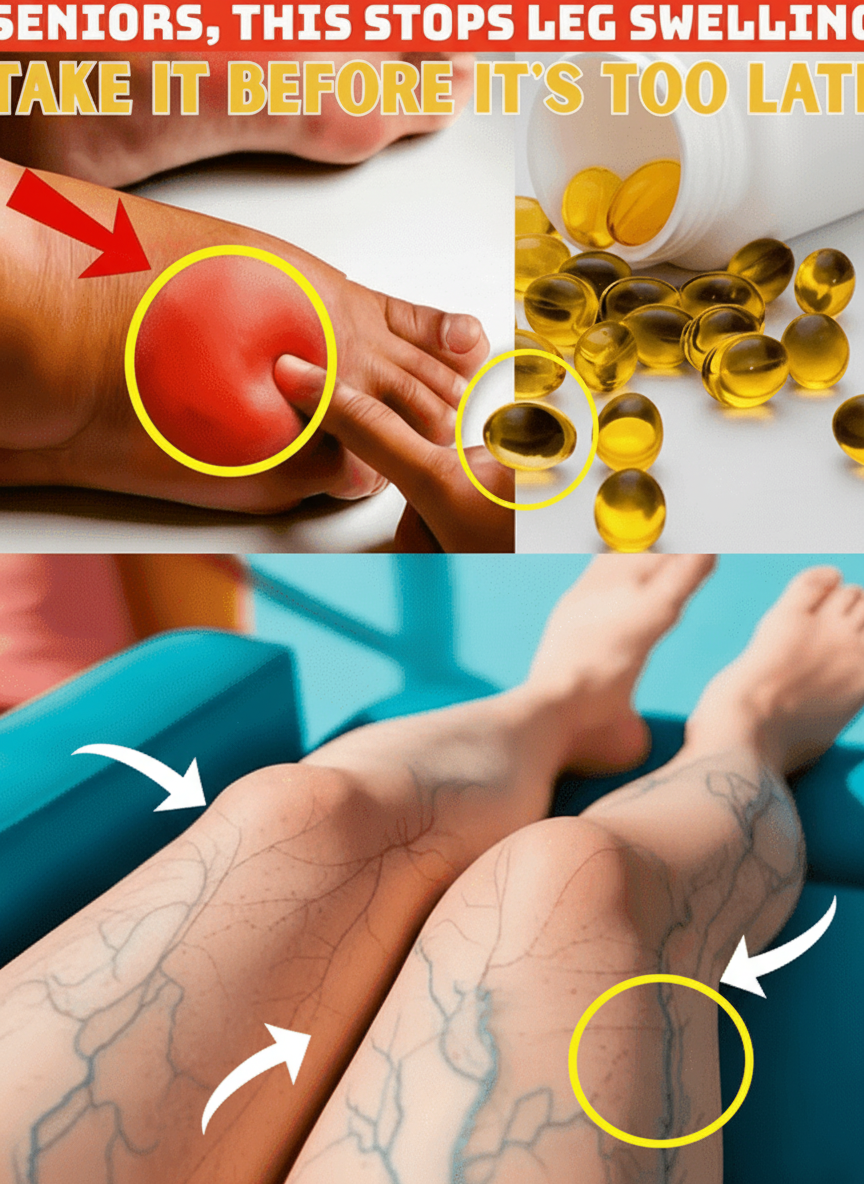
Exploring Other Relevant Vitamins
Beyond Vitamins E and C, several other nutrients may indirectly support overall leg health and mobility:
- Vitamin D: Essential for strong bones and muscle function, Vitamin D indirectly contributes to robust leg mobility. Data from the CDC indicates that deficiency is widespread, particularly among older adults.
- B Vitamins (e.g., B12 and Folate): These vital nutrients play a crucial role in red blood cell formation, which in turn can boost energy levels and encourage greater physical activity—a known benefit for circulation.
An intriguing aspect to consider is the potential synergy between vitamin intake and dietary habits; combining these approaches might enhance overall health benefits, a concept we will touch upon further.
The Potential Downsides of Over-Reliance on Vitamins for Leg Concerns
Despite their perceived safety, vitamins are not without potential risks, especially when taken in excessive amounts or without proper guidance. A significant concern is the possibility of adverse interactions with prescription medications. For instance, as highlighted by Mayo Clinic guidelines, high doses of Vitamin K can directly interfere with the efficacy of anticoagulant drugs like warfarin, potentially increasing the very risk of blood clot formation rather than mitigating it. Furthermore, the supplement market is largely unregulated; unlike pharmaceuticals, supplements are not subject to the same stringent FDA approval processes, meaning product quality and purity can vary considerably. Beyond interactions, some individuals may experience unwanted side effects such as nausea, digestive upset, or even allergic reactions. It is always prudent to begin with the lowest effective dose and carefully monitor your body’s response.
Specific Groups Requiring Extra Caution
Certain populations must exercise particular vigilance when considering vitamin supplements for leg health, given their heightened risk profile:
- Individuals currently prescribed anticoagulant medications (blood thinners).
- Patients with pre-existing kidney conditions, as impaired kidney function can lead to the dangerous accumulation of certain vitamins.
- Pregnant women or those managing complex chronic illnesses.
A notable warning from a study published in the British Medical Journal strongly advises against self-medicating with supplements without professional medical consultation, stressing the necessity of a personalized and medically informed approach.
Effective, Evidence-Based Strategies for Optimal Leg Health
Given that vitamins are not a standalone solution for managing or preventing leg blood clots, what truly makes a significant difference? The answer lies predominantly in adopting proactive lifestyle modifications, strategies consistently supported by robust scientific evidence. At the forefront of these recommendations is consistent physical activity. Simple yet effective options like regular walking or swimming are excellent for enhancing blood circulation throughout the legs without placing undue strain on the body. Equally vital is a commitment to proper nutrition. A well-balanced diet, generously rich in fresh fruits, diverse vegetables, and whole grains, provides essential nutrients that bolster overall vascular health.
In conclusion, while certain vitamins offer general health benefits and contribute to bodily functions that indirectly support circulation, they are not a substitute for professional medical advice or proven strategies in managing leg blood clots. Always prioritize consultation with healthcare professionals for accurate diagnosis, treatment, and personalized recommendations for your leg health.