 By admin
 Navigating Inflammatory Bowel Disease Flare-Ups: Symptoms, Triggers, and Essential Doctor Visit Prep
Living with Inflammatory Bowel Disease (IBD) often means facing the unpredictable challenges of flare-ups. These periods of heightened inflammation in the digestive tract can bring intense discomfort, frequent urgent trips to the bathroom, and a pervasive exhaustion that significantly disrupts daily life. The impact extends beyond physical symptoms, often leaving individuals feeling drained, anxious about the next episode, and frustrated by how it interferes with work, family moments, and even simple activities.
The good news is that by understanding the common signs, identifying potential triggers, and knowing effective management strategies, you can take proactive steps. This empowerment leads to more productive conversations with your healthcare provider, ultimately improving your quality of life. In this comprehensive guide, we’ll delve into the key symptoms experienced during IBD flare-ups, explore factors that can influence their occurrence, and offer practical advice on how to prepare for your doctor’s appointments. Plus, we’ll uncover a crucial habit many overlook that can make a profound difference in tracking patterns over time.
What Exactly Is Inflammatory Bowel Disease?
Inflammatory Bowel Disease (IBD) encompasses a group of chronic conditions characterized by persistent inflammation within the gastrointestinal (GI) tract due to an abnormal immune system response. The two primary forms are Crohn’s disease and ulcerative colitis. Crohn’s disease can affect any part of the digestive system, from the mouth to the anus, though it most commonly impacts the small intestine and colon. In contrast, ulcerative colitis is specifically confined to the large intestine (colon) and rectum.
Current research suggests that IBD develops from a complex interplay of genetic predispositions, immune system dysregulation, and environmental factors, though the precise cause remains a subject of ongoing study. Flare-ups signify periods when this inflammation intensifies, leading to active and often severe symptoms. Conversely, periods of remission are characterized by reduced inflammation and a significant alleviation of symptoms, offering much-needed relief.
Recognizing Common Symptoms During IBD Flare-Ups
While the manifestation of IBD flare-ups can be highly individualized, certain symptoms frequently emerge when inflammation levels rise. Here’s a breakdown of what many individuals typically experience:
- Persistent Diarrhea: Often accompanied by a sudden urge to use the bathroom, sometimes leading to accidents.
- Abdominal Pain and Cramping: Commonly felt in the lower abdomen, ranging from mild discomfort to severe, debilitating pain.
- Blood or Mucus in Stool: A clear indicator of active inflammation in the digestive lining.
- Extreme Fatigue: A profound sense of tiredness that is not relieved by adequate rest, often linked to chronic inflammation and poor nutrient absorption.
- Unintended Weight Loss: Resulting from decreased appetite, malabsorption of nutrients, or the body’s increased energy demands due to inflammation.
- Fever or Nausea: More commonly observed during severe or intense inflammatory episodes.
Beyond these primary gastrointestinal symptoms, a significant number of IBD patients also experience extraintestinal manifestations (EIMs). These can include joint pain, painful mouth sores (more prevalent in Crohn’s disease), or various skin issues. Studies underscore that these systemic symptoms affect a considerable portion of those with IBD, highlighting the condition’s potential to impact the entire body, not just the gut.
Key Symptom Distinctions Between Crohn’s Disease and Ulcerative Colitis
While both conditions fall under the IBD umbrella, their symptom profiles can differ, aiding in diagnosis and management:
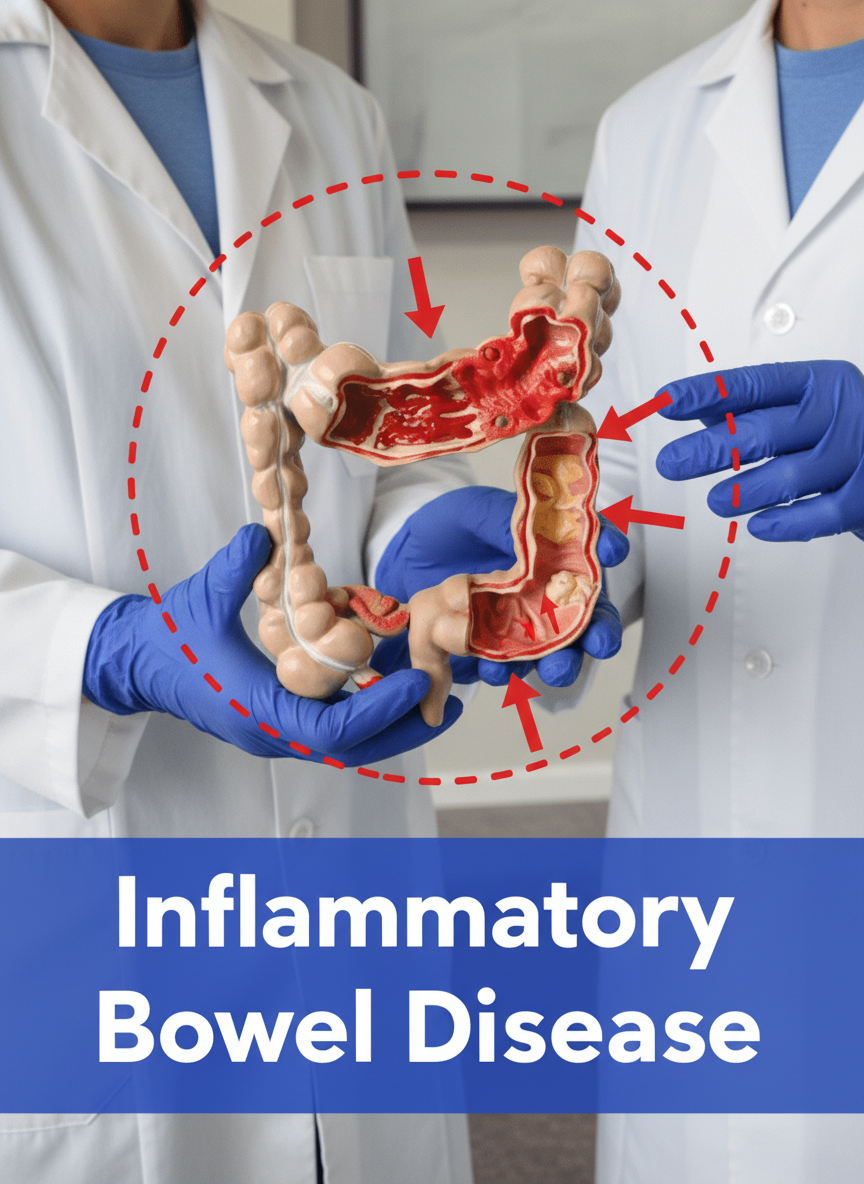
- Crohn’s Disease: Patients may experience symptoms such as mouth sores, the development of fistulas (abnormal connections between bowel sections or to the skin), or perianal issues. Pain is frequently localized in the right lower abdomen.
- Ulcerative Colitis: This condition is more commonly associated with prominent bloody diarrhea, intense rectal urgency, and cramping primarily focused on the left side or lower abdomen.
Diligent tracking of these specific patterns is invaluable. It helps you pinpoint your unique triggers and communicate effectively with your doctor, leading to a more tailored treatment approach.
What Factors Can Trigger IBD Flare-Ups?
Although IBD doesn’t have a single, definitive cause, several factors are known to contribute to or exacerbate flare-ups. Common triggers include:
- Stress: Both emotional and physical stress can significantly impact gut health and inflammation levels.
- Certain Foods or Beverages: While highly individual, some people find high-fiber foods, dairy products, caffeine, or spicy foods can worsen symptoms during active periods.
- Infections or Changes in Gut Microbiota: An imbalance in gut bacteria or infections can ignite inflammatory responses.
- Skipping Prescribed Medications: Inconsistent adherence to treatment plans can lead to a resurgence of inflammation.
- Smoking: This habit is particularly detrimental and known to worsen the course of Crohn’s disease.
Identifying your personal triggers is a process that requires time and careful observation. Many individuals discover unexpected patterns by consistently maintaining a simple symptom journal.
How Healthcare Providers Manage IBD
The overarching goal in managing IBD is to reduce inflammation, alleviate symptoms, and promote sustained periods of remission. Healthcare teams typically employ a progressive, step-wise approach, tailoring treatments based on the disease’s severity and individual patient response. Common therapeutic options include:
- Anti-inflammatory Medications: Such as aminosalicylates (5-ASAs), often prescribed for milder cases of IBD.
- Corticosteroids: Used for short-term control to quickly reduce inflammation during acute flares.
- Immune-Modulating Drugs or Biologics: These targeted therapies are often employed for moderate to severe disease, working to suppress the immune system’s inflammatory response.
- Surgical Intervention: May be considered in cases where complications arise or when medical therapies are insufficient in controlling the disease.
Recent advancements in IBD treatment, including the approval of new targeted therapies, have expanded options for patients who may not respond to initial treatments. It is paramount to always follow your doctor’s guidance, as they will develop a treatment plan specifically designed for your unique condition and circumstances.
Practical Steps You Can Take Right Now to Prepare for Your Doctor Visit
Being proactive in managing your IBD can significantly enhance your well-being and make your doctor’s appointments more effective. Here are actionable steps:
- Track Your Symptoms Daily: Utilize a notebook or a dedicated app to meticulously record your bowel habits (frequency, consistency, presence of blood/mucus), pain levels, dietary intake, stress levels, and sleep quality. This detailed data is invaluable for your healthcare provider.
- Identify Potential Food Triggers: With caution and ideally under professional guidance, experiment during periods of remission to identify foods that might exacerbate your symptoms. Many individuals find working with a registered dietitian specializing in IBD to be highly beneficial in navigating dietary choices and finding a balanced eating plan.