 By admin
 Navigating At-Home Skin Tag Removal: The Truth About Vaseline and Natural Methods
Skin tags, those small, soft growths, can be a persistent source of frustration. They often snag on jewelry, rub uncomfortably against clothing, and may even make you feel self-conscious in photos. It’s no wonder many people search for a quick, natural way to remove skin tags at home – especially using common household items like Vaseline – hoping for an effortless fix. However, while some home care strategies might offer comfort, it’s essential to understand that not all popular remedies are supported by scientific evidence. The reality about Vaseline’s role in skin tag removal might be quite different from what you expect… continue reading to uncover what truly makes a difference.
Understanding Skin Tags: What Are They and Why Do They Appear?
Skin tags, medically known as acrochordons, are benign, small, fleshy growths that typically form in areas where skin frequently rubs against itself or clothing. Common locations include the neck, underarms, eyelids, and groin. They are characterized by:
- Being flesh-colored or slightly darker than your natural skin tone.
- A soft, pliable texture, often appearing to hang off the skin.
- Generally being painless, unless irritated by friction.
- High prevalence in adults, particularly those over 30.
Research indicates several factors may contribute to their development:
- Friction: Regular rubbing in skin folds.
- Hormonal Fluctuations: Common during pregnancy.
- Insulin Resistance: Often seen in individuals with type 2 diabetes.
- Weight Changes: Especially weight gain, which can increase skin folds.
- Genetics: A predisposition to developing them can run in families.
The reassuring news is that skin tags are typically harmless from a health perspective. Nevertheless, their presence can certainly be bothersome.
Instant Results? Debunking the ‘Overnight’ Skin Tag Removal Myth
Let’s be clear: the allure of eradicating a skin tag overnight using a natural ingredient is strong, but scientific evidence supporting such rapid results from home remedies is extremely limited. Here’s why:
- Skin tags are complex structures composed of collagen fibers, blood vessels, and an outer layer of skin. This intricate biological formation simply cannot vanish within a few hours.
However, it is true that certain at-home approaches might assist in drying out or gradually shrinking smaller skin tags over an extended period. The crucial takeaway here is over time. This is often where petroleum jelly, commonly known as Vaseline, enters the discussion.
Does Vaseline Effectively Remove Skin Tags? The Concise Answer: Not Directly
Vaseline, or petroleum jelly, functions as an occlusive moisturizer. Its primary role is to create a protective barrier on the skin’s surface, thereby preventing moisture loss. It does not possess any chemical properties that would allow it to dissolve or break down the cellular structure of a skin tag.
Despite this, some viral home remedies suggest combining Vaseline with other ingredients, claiming that sealing the area overnight can “suffocate” the skin tag. From a scientific standpoint, petroleum jelly does not cut off the blood supply to a skin tag. These growths receive their blood from deeper vessels, meaning that merely covering them with a topical ointment will not cause them to detach or disappear. So, if Vaseline doesn’t directly remove them, why do some individuals report positive experiences?
The Supportive Role: How Vaseline Can Still Be Beneficial
While Vaseline won’t eliminate skin tags, it can play a helpful supporting role in maintaining skin health and managing discomfort associated with them:
- Reduces Irritation: It can minimize friction and irritation if a skin tag frequently rubs against clothing or jewelry.
- Protects Surrounding Skin: When using other topical treatments, Vaseline can be applied to the skin around the tag to shield it from potentially irritating ingredients.
- Aids Healing: If a skin tag accidentally tears or becomes irritated, Vaseline can help create a moist healing environment, preventing dryness and promoting recovery.
- Prevents Dryness: It keeps the skin supple, which can be beneficial in general skin care.
Therefore, Vaseline is more accurately viewed as a supportive skin product rather than a standalone removal solution. But there’s more to consider when exploring at-home options…
Common At-Home Remedies: What the Evidence Shows
Here’s an overview of frequently attempted natural approaches and their scientific backing:
| Method | Proposed Mechanism | Evidence Level | Safety Considerations |
|---|---|---|---|
| Apple Cider Vinegar (ACV) | The acetic acid may dry out and break down tissue. | Limited anecdotal support; no robust clinical trials. | Can cause skin irritation, chemical burns, or discoloration. |
| Tea Tree Oil | Antimicrobial properties, potential drying effect. | Small studies, not conclusive for skin tag removal. | Risk of contact dermatitis (skin rash), allergic reactions. |
| Dental Floss Tying | Aims to cut off blood supply to the tag. | Mechanically effective for small, pedunculated tags if done correctly. | Significant risk of infection, pain, scarring, incomplete removal. |
| Vaseline Alone | Claimed to “suffocate” the tag. | No scientific evidence to support removal. | Generally safe for skin, but ineffective for removal. |
| Banana Peel | Enzymes are believed to have a drying effect. | Mostly anecdotal; lacks scientific validation. | Low risk, but no proven efficacy. |
The reality is that most promises of “overnight” or rapid removal from these methods are greatly exaggerated and often lack scientific validation.
A Cautious At-Home Approach (If You Choose to Proceed)
Should you decide to attempt a home removal method, prioritizing safety is paramount. Always consult a healthcare professional before trying any new treatment, especially for growths on sensitive areas.
Step-by-Step Gentle Routine (Use with Extreme Caution):
- Thoroughly clean the area around the skin tag with mild soap and water.
- Gently pat the skin dry.
- Apply a thin layer of Vaseline around (not directly on) the skin tag to create a protective barrier for the surrounding healthy skin.
- If using a natural drying agent (e.g., diluted apple cider vinegar), apply it very carefully and precisely to the skin tag itself using a cotton swab. Avoid contact with healthy skin.
- If necessary, cover the treated area lightly with breathable gauze or a small bandage.
- Monitor the area daily for any signs of redness, swelling, or discomfort.
Discontinue immediately and seek medical advice if you observe any of the following:
- Bleeding that doesn’t stop.
- Severe irritation, burning, or itching.
- Signs of infection, such as pus, increased warmth, or spreading redness.
- Increasing pain or tenderness.
Important Warning: Never attempt to remove skin tags located on eyelids, genitals, or any large, dark, or rapidly growing skin growths. These require professional evaluation.
When Professional Removal is the Safest and Most Effective Option
What many people don’t realize is that professional skin tag removal by a dermatologist or doctor is often surprisingly quick, affordable, and significantly safer than repeated, uncertain home attempts. Medical professionals have several reliable methods at their disposal:
- Cryotherapy: Freezing the skin tag with liquid nitrogen.
- Cauterization: Burning off the skin tag using heat.
- Minor Surgical Snip: Excising the tag with a sterile scalpel or scissors.
- Electrosurgery: Using high-frequency electrical current to burn off the tag.
These procedures are performed in a controlled clinical environment, minimizing risks and typically taking only a few minutes. Furthermore, a surprising benefit is that many clinics can remove a small skin tag in a single visit with minimal discomfort and virtually no downtime.
The Dangers of Unrealistic ‘One Night Removal’ Promises
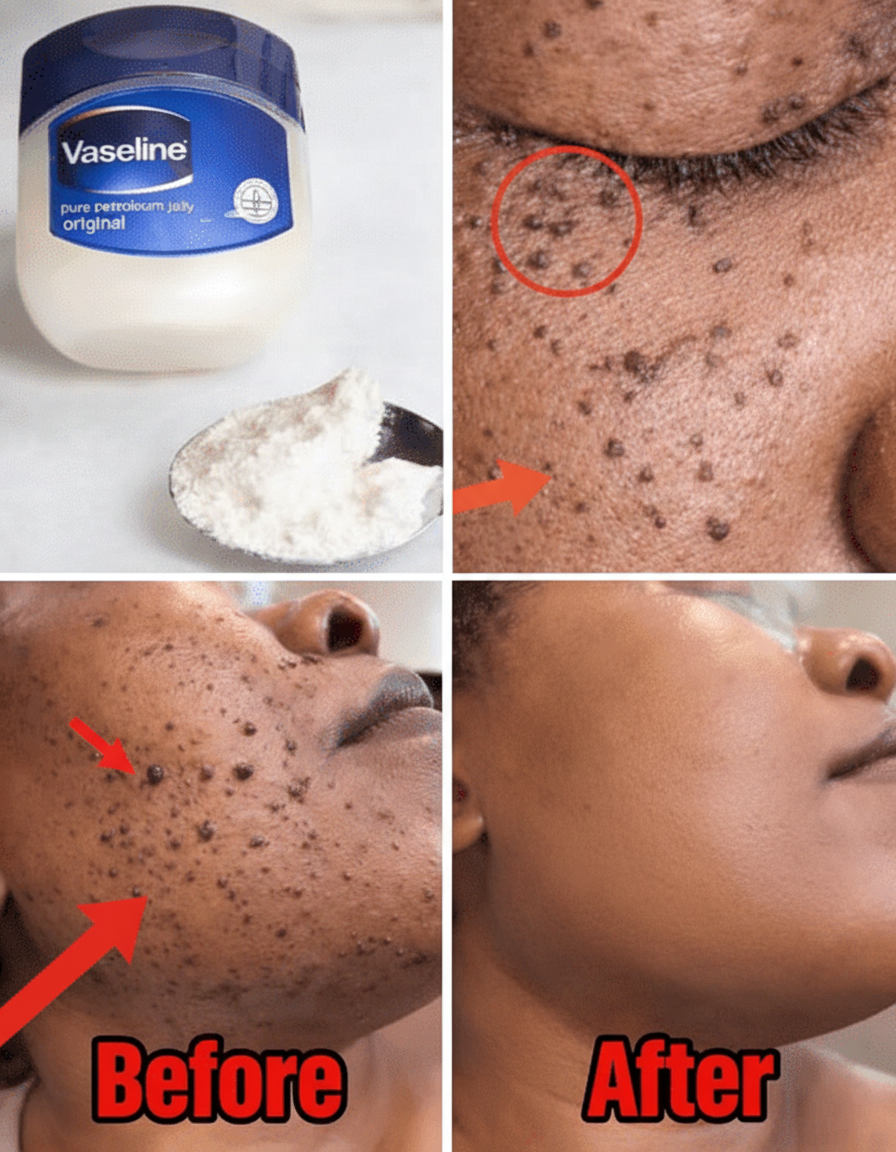
The internet is replete with dramatic before-and-after photos and testimonials promising miraculous overnight solutions. However, attempting rapid or improper removal of skin tags at home can lead to serious complications. These include:
- Infection: Using unsterile tools or methods can introduce bacteria, leading to painful infections.
- Scarring: Incorrect removal techniques can result in permanent scars, which can be more noticeable than the original skin tag.
- Pain and Discomfort: DIY removal can be unnecessarily painful and may cause prolonged irritation.
- Incomplete Removal: Often, home methods only address the surface, leaving part of the tag behind or causing it to regrow.
- Misdiagnosis: What appears to be a skin tag could, in rare cases, be a more serious skin condition. Attempting to remove it without professional diagnosis could delay appropriate treatment.
Prioritizing your skin’s health and safety by consulting with a healthcare provider is always the wisest course of action for any skin concerns.
”
}
“`