 By admin
 Many individuals find their smile losing its luster over time, often due to everyday habits like enjoying coffee, tea, or certain pigmented foods. This gradual dulling or yellowing can diminish confidence. But what if common kitchen staples—like bananas, ginger, and lemons—held the key to a naturally brighter smile?
This article delves into the potential of these everyday ingredients in your oral care routine. We’ll explore the scientific basis (or lack thereof) behind their purported benefits, share a cautious approach to experimenting with them, and reveal a crucial tip that could reshape your perspective on DIY dental remedies.
Understanding Tooth Discoloration and Natural Brightening Approaches
Tooth discoloration is a common concern, stemming from various factors. Extrinsic stains, often caused by diet and lifestyle, cling to the enamel surface. Intrinsic stains, however, originate from within the tooth structure, influenced by aging, medication, or developmental issues. Dental health organizations report that a significant percentage of adults, upwards of 80% by age 40, experience some degree of tooth staining.
Interestingly, natural ingredients have been integrated into oral hygiene practices across cultures for generations. For instance, some proponents suggest that the minerals found in banana peels, such as potassium, can act as a gentle abrasive, helping to polish teeth. Ginger, celebrated for its anti-inflammatory properties, may contribute to overall gum health. Lemon, with its notable citric acid content, is frequently cited for its potential brightening effects due to its acidic nature.
However, it’s vital to approach natural remedies with discernment. Not all home solutions are equally effective or safe; some can even be detrimental if used improperly. Let’s examine the specific attributes of each ingredient more closely.
The Scientific Perspective: Banana, Ginger, and Lemon in Oral Care
Banana Peel
Focusing on the humble banana, its inner peel is surprisingly rich in compounds like magnesium and manganese. A study highlighted in the Journal of Contemporary Dental Practice suggested that the mild abrasive action of rubbing banana peel on teeth might help reduce superficial stains, functioning similarly to other natural polishing agents.
Ginger
Ginger offers its own set of advantages. Renowned for its potent antioxidant qualities, it may play a role in reducing plaque accumulation, as indicated by research published in the International Journal of Preventive Medicine. By helping to maintain a cleaner oral environment, ginger could indirectly contribute to a healthier-looking smile.
Lemon
Lemon presents a more complex case. While its high vitamin C content is beneficial for general health, the inherent acidity of lemon juice poses a significant risk to dental enamel if overused. The American Dental Association (ADA) strongly advises caution when using acidic substances on teeth, as they can weaken the tooth structure and lead to sensitivity or erosion.
While some anecdotal accounts propose that combining these ingredients might amplify their effects, leading to a more potent stain-fighting paste, scientific consensus strongly emphasizes moderation. The potential downsides, particularly from lemon’s acidity, necessitate a balanced and informed approach.
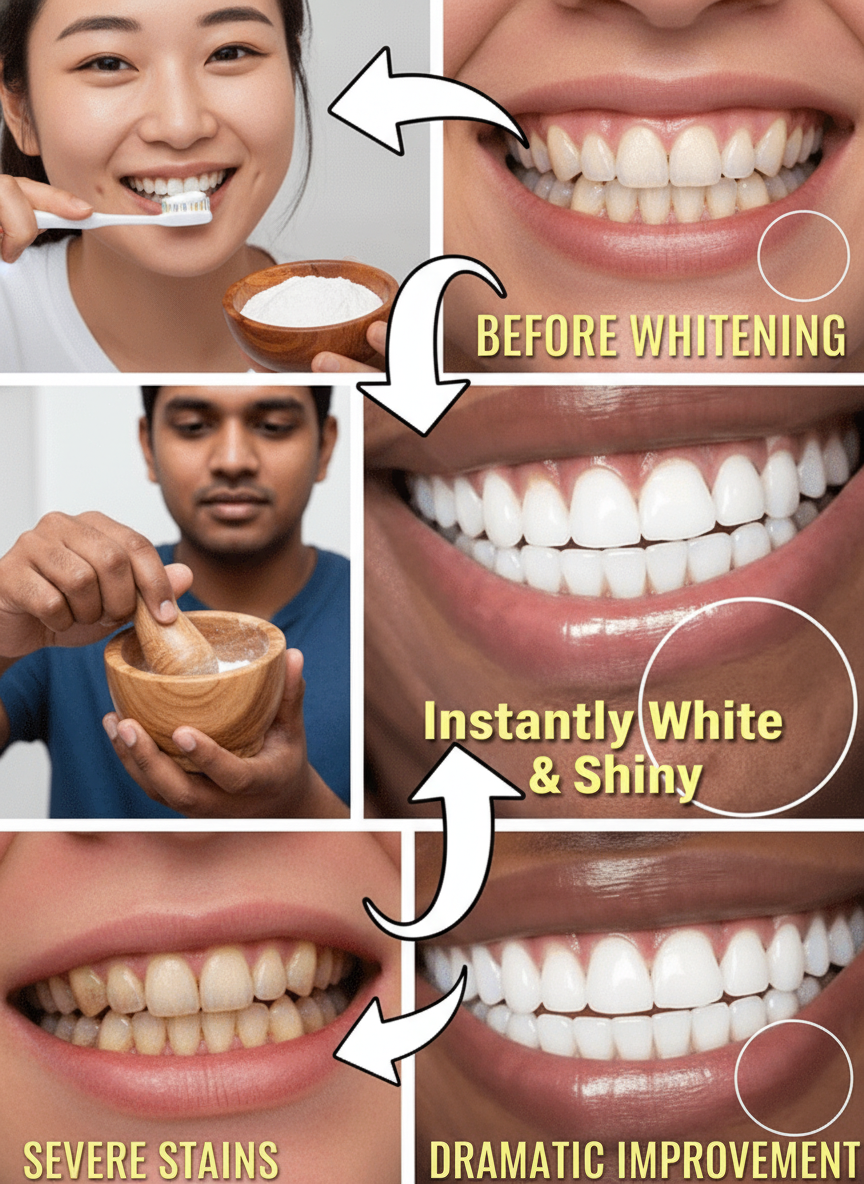
Synergistic Potential: Why This Trio Might Work (with Caution)
Why might individuals consider integrating banana, ginger, and lemon into their oral care regimen? Beyond their accessibility and affordability, this natural combination is believed by some to offer a multi-faceted approach to a brighter smile.
- Gentle Polishing Action: The inner surface of a banana peel is thought to provide a mild abrasive effect, potentially lifting light surface stains without resorting to harsh chemicals.
- Antimicrobial Support: Ginger’s active compounds possess properties that may help combat bacteria responsible for plaque buildup and discoloration, contributing to overall oral freshness.
- Natural Brightness Boost: Lemon’s natural acids, when used in extremely small and controlled quantities, are sometimes believed to enhance the teeth’s natural shine. However, studies from sources like PubMed, while acknowledging that natural acids can break down stains, consistently underscore the critical need to combine such methods with protective measures to safeguard enamel integrity.
This blend could offer a holistic, nature-inspired path to supporting not just the aesthetic appeal of your teeth but also their freshness. It presents an intriguing, albeit experimental, way to incorporate natural elements into your daily routine. Nevertheless, it’s crucial to remember that individual results will vary significantly based on personal dental habits and the nature of existing stains.
Important Considerations: Risks and Common Misconceptions
No home remedy is without its potential drawbacks, and it’s essential to separate fact from fiction. A pervasive myth is that these natural ingredients will deliver “instant” or dramatic whitening results. In reality, any perceived changes are typically gradual and subtle, if they occur at all.
The primary concern with this trio lies with lemon’s acidity. Excessive or frequent exposure to citric acid can lead to irreversible enamel erosion, resulting in increased tooth sensitivity and a weakened tooth structure. A report in the Journal of Dentistry specifically warns against the regular use of highly acidic home treatments due to these risks. Ginger, while generally safe, could potentially cause irritation for individuals with particularly sensitive gums. Banana peel is largely considered benign, though rare allergic reactions are always a possibility.
To provide further clarity, here’s a brief comparison:
| Ingredient | Potential Benefit | Possible Risk |
|---|---|---|
| Banana Peel | Mild surface polishing | Ineffective for deep stains; minimal risk otherwise |
| Ginger | Anti-inflammatory, plaque reduction | Gum irritation if used in high concentrations or aggressively |
| Lemon | Acidic stain breakdown | Significant risk of enamel erosion and tooth sensitivity if not diluted or overused |
A healthy skepticism is a wise approach. Always verify information with credible dental health resources and, ideally, consult with a dental professional before embarking on any new home-based oral care regimen. But if you’re still curious, the next section outlines a cautious way to proceed.
A Prudent Approach: Safe Steps to Experiment
For those interested in cautiously exploring this natural remedy, following a structured and gentle method is paramount to minimize potential risks. This step-by-step guide outlines how to prepare a homemade paste for a trial run:
Gather Your Ingredients:
You will need one ripe banana peel (ensure it’s clean), a fresh ginger root segment approximately 1 inch long, and half a lemon. Opt for organic produce where possible to reduce exposure to pesticides.
”
}
“`