 By admin
 Elevated cholesterol levels represent one of the most prevalent global health concerns, often remaining undetected until a standard medical examination brings the issue to light. When cholesterol concentrations in the bloodstream become excessively high, fatty deposits can begin to accumulate within the arteries, significantly escalating the potential for heart disease, stroke, and various other cardiovascular complications.
The encouraging news is that making strategic adjustments to one’s lifestyle and dietary habits can lead to substantial improvements in cholesterol profiles. By embracing natural approaches and integrating healthier routines into daily life, many individuals can effectively bolster their cardiovascular wellness and mitigate the likelihood of developing serious health issues.
Within this comprehensive guide, we will delve into a range of natural solutions that can assist in managing cholesterol levels and foster a stronger, healthier heart.
Understanding Cholesterol and Why It Matters
Cholesterol, a waxy, fat-like substance, is a vital component found in the blood and within every cell of the human body. It plays indispensable roles, including contributing to hormone production, aiding in vitamin D synthesis, and facilitating digestion. However, health problems arise when the delicate balance of cholesterol levels is disrupted.
There are primarily two distinct types of cholesterol:
LDL (Low-Density Lipoprotein)
Frequently referred to as “bad cholesterol,” LDL has the propensity to build up on the inner walls of arteries, leading to the formation of harmful plaque.
HDL (High-Density Lipoprotein)
Conversely, known as “good cholesterol,” HDL performs the crucial function of helping to transport excess cholesterol away from the bloodstream, back to the liver for removal.
A significant increase in LDL levels coupled with a decrease in HDL levels dramatically heightens an individual’s risk of developing cardiovascular disease.
Signs and Risk Factors of High Cholesterol
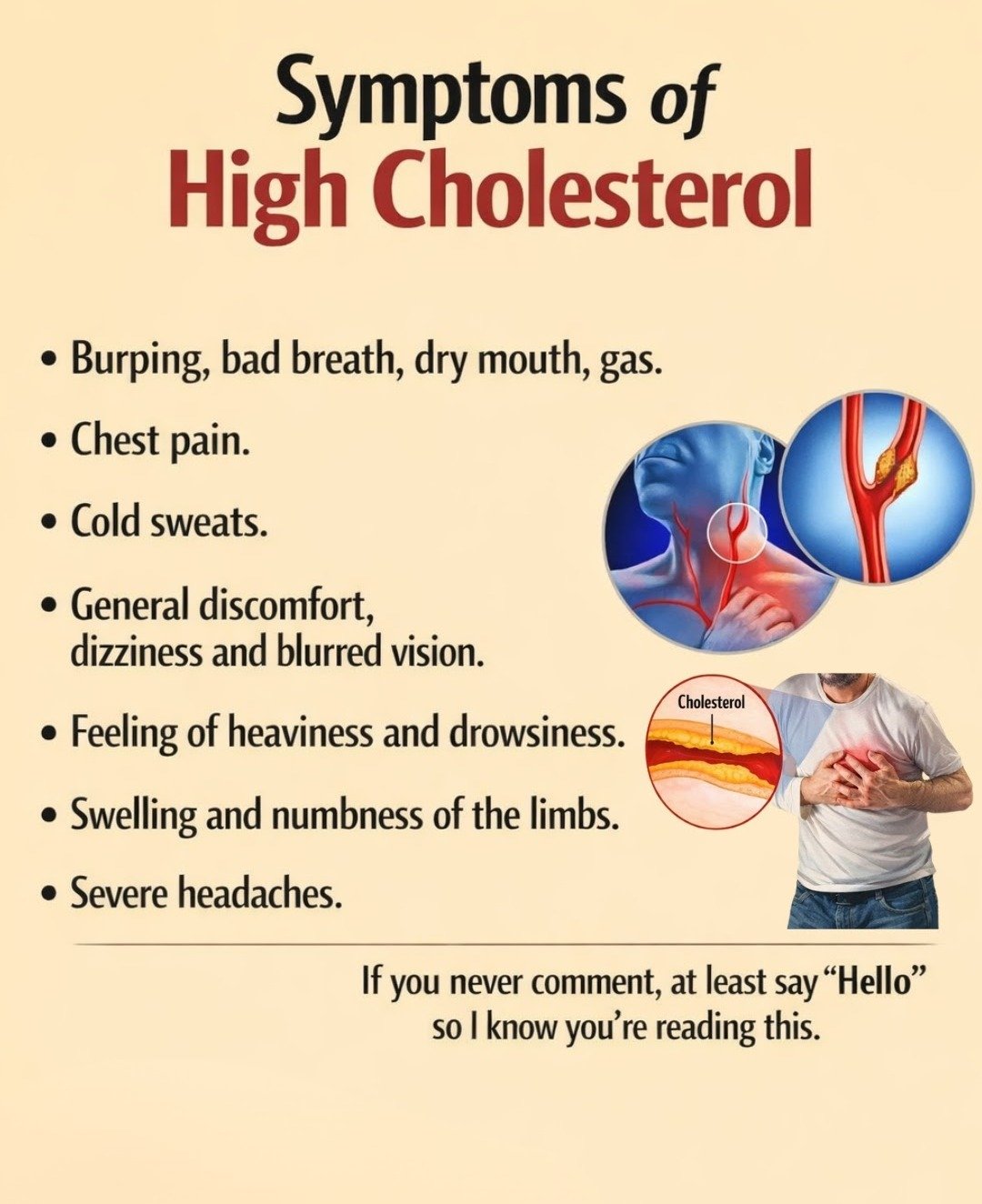
High cholesterol typically progresses without noticeable symptoms, often termed a “silent” condition. Nevertheless, several key factors can substantially raise an individual’s susceptibility to developing this medical condition:
-
A diet rich in saturated and trans fats
-
Insufficient physical activity
-
Excessive body weight or obesity
-
Smoking habits
-
Experiencing chronic stress
-
A genetic predisposition or family history
According to leading health experts, unhealthy lifestyle choices and habits are among the most prevalent contributors to elevated cholesterol levels.
Fortunately, incorporating natural and strategic lifestyle adjustments can yield a profoundly positive impact.
1. Increase Fiber Intake
One of the most impactful natural strategies for effectively lowering cholesterol involves increasing the consumption of soluble fiber.
Foods abundant in soluble fiber play a vital role in reducing the absorption of cholesterol into the bloodstream by actively binding to it during the digestive process.
Some excellent and readily available sources include:
-
Oats
-
Apples
-
Lentils
-
Beans
-
Barley
-
Flax seeds
-
Citrus fruits
Health professionals frequently recommend aiming for a daily intake of 25–30 grams of fiber to effectively support and maintain healthy cholesterol levels.
2. Eat More Heart-Healthy Fats
It’s important to recognize that not all fats are detrimental to health. In fact, consciously substituting unhealthy fats with beneficial ones can significantly aid in improving the overall cholesterol balance.
Examples of healthy fat sources include:
-
Olive oil
-
Avocados
-
Nuts, particularly almonds and walnuts
-
Fatty fish, such as salmon and sardines
These food items are rich in beneficial fatty acids that not only support robust heart health but also contribute to the reduction of harmful LDL cholesterol levels.
3. Stay Physically Active
Engaging in regular physical exercise plays an absolutely critical role in the effective management of cholesterol levels.
Consistent physical activity offers several key benefits, including its ability to help:
-
Increase HDL (the “good” cholesterol)
-
Lower LDL (the “bad” cholesterol)
-
Enhance overall blood circulation
-
Assist in maintaining a healthy body weight
Health authorities generally advise adults to engage in at least 150 minutes of moderate-intensity exercise per week, which can include activities like brisk walking, cycling, or swimming.
Even seemingly minor adjustments to your daily routine, such as incorporating regular walks, can exert a profound and positive influence on your heart health.
4. Reduce Processed Foods and Trans Fats
Trans fats are widely regarded as one of the most detrimental dietary components when it comes to their adverse effects on cholesterol levels.
These harmful fats are frequently present in a variety of common food products, including:
-
Many fried foods
-
Numerous processed snacks
-
Margarine products
-
A wide range of packaged baked goods
Artificial trans fats are particularly dangerous for cardiovascular health because they not only elevate LDL cholesterol but also simultaneously diminish beneficial HDL cholesterol. Opting for fresh, whole foods over highly processed products represents a straightforward yet highly impactful step towards better heart health and cholesterol management.