 By admin
 Natural Strategies for Healthier Veins: 10 Ways to Enhance Blood Flow and Alleviate Varicose Vein Discomfort
The persistent ache, heaviness, and visible, winding blue or purple lines of varicose veins can significantly impact daily comfort and confidence, particularly after extended periods of standing or sitting. While these prominent veins often bring discomfort and self-consciousness, the good news is that numerous natural and straightforward practices can effectively enhance vein health and promote better blood circulation, offering substantial relief from irritating symptoms. Continue reading to explore these vital strategies, including a crucial overarching tip for optimal results.
💧 Way 10: Prioritize Hydration Throughout Your Day
When the body lacks sufficient fluid, blood can become more viscous and challenging for your circulatory system to pump efficiently, placing additional strain on veins already compromised by varicose conditions. That familiar feeling of sluggishness in your legs often intensifies when you haven’t consumed enough water, frequently leading to increased fatigue by evening. Scientific studies indicate that consistent, proper hydration is crucial for maintaining healthy blood volume and supporting smoother, more efficient circulation. Aim for at least eight glasses of water daily, increasing your intake if you lead an active lifestyle or reside in a warmer climate. Many individuals report feeling their legs become lighter and less swollen with a steady hydration regimen. It’s an accessible initial step that lays the groundwork for improved overall vein health.
👟 Way 9: Opt for Low-Heel Footwear and Loose-Fitting Attire
Restrictive clothing, such as tight pants, high heels, or constricting waistbands, can inadvertently compress veins and impede the efficient return of blood to the heart. This can make existing varicose veins feel more painful and appear more pronounced. The common evening sensation of leg heaviness often intensifies after a day spent in uncomfortable or restrictive garments. Healthcare professionals frequently advise transitioning to low-heel or flat shoes and choosing loose-fitting clothing to facilitate unimpeded blood flow. These minor adjustments to your wardrobe naturally engage your calf muscles and significantly reduce the likelihood of blood pooling. You might observe a noticeable reduction in swelling and discomfort within just a few days. Ready for another simple yet effective adjustment?
🛋️ Way 8: Elevate Your Legs Regularly
Gravity constantly works against the veins in your lower limbs, particularly when varicose veins lead to blood pooling, creating that persistent, aching pressure. Neglecting adequate rest can leave your legs feeling even heavier and more swollen by the end of the day. Elevating your legs above heart level for 15–20 minutes, several times throughout the day, significantly aids in draining excess fluid and alleviating pressure within your veins. Research consistently supports this time-tested technique for rapidly reducing both swelling and discomfort. Most individuals experience immediate relief and a sensation of lighter legs following this practice. It’s an effortless habit that complements the next valuable recommendation beautifully.
✋ Way 7: Incorporate Gentle Massage Techniques
The accumulation of fluid around varicose veins often produces that stubborn heavy, throbbing sensation, which can render even short walks uncomfortable. Ignoring this symptom can only add to daily frustration. Applying light, upward strokes, moving from your ankles towards your thighs, can gently encourage venous return and help break up minor blood stagnation. Gentle massage provides a soothing sensation and offers quick comfort, especially when combined with leg elevation. Always use light pressure and a moisturizer to prevent skin irritation. Many individuals discover that incorporating this small ritual significantly diminishes persistent aching.
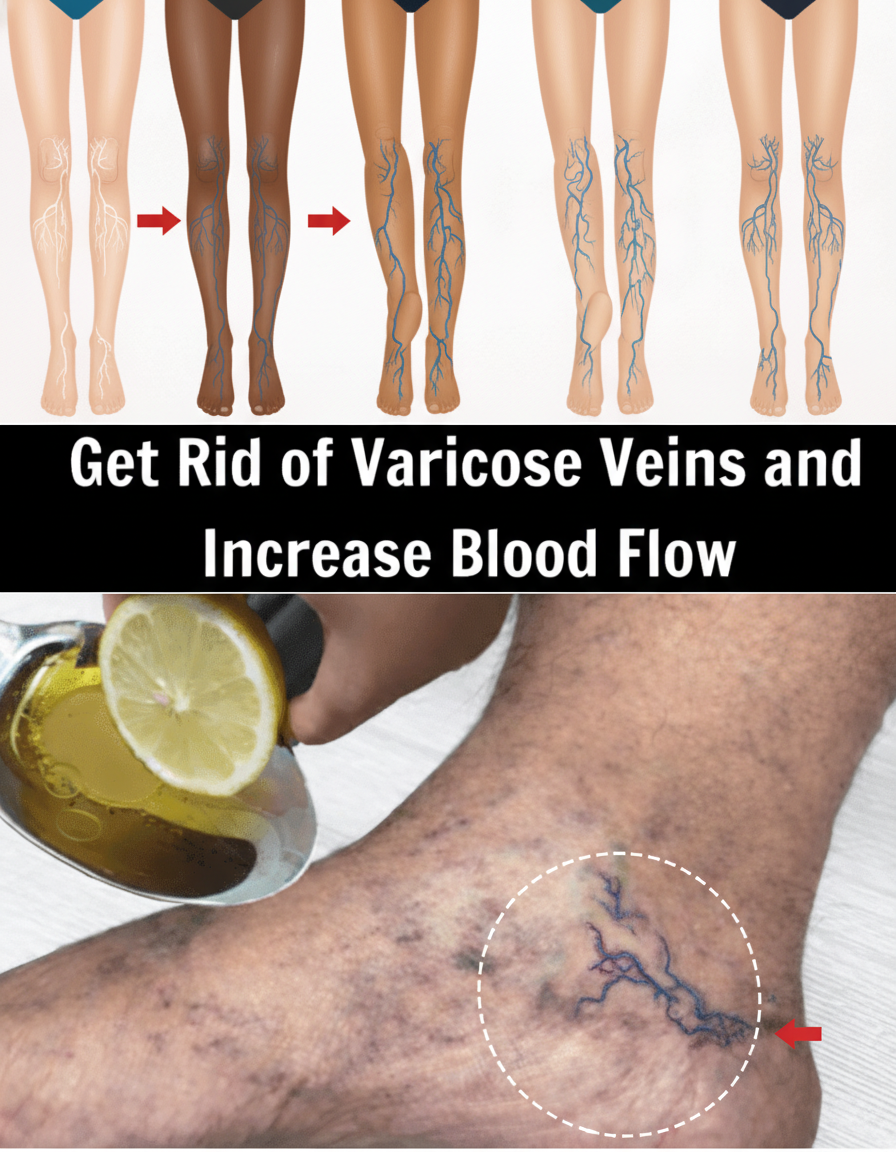
🧦 Way 6: Wear Compression Stockings Daily
Without adequate support, varicose veins allow blood to pool, leading to increased swelling, fatigue, and noticeable bulging that can undermine self-confidence. That pervasive tired-leg feeling often lingers longest without intervention. Graduated compression stockings are designed to apply gentle pressure – with the strongest compression at the ankle and gradually lessening upwards – thereby assisting veins and muscles in moving blood more efficiently towards the heart. Clinical studies have demonstrated that knee-high stockings with 18–21 mmHg compression can reduce pain and aching within as little as one week. Many users report experiencing less swelling and enhanced comfort throughout their day.
🫐 Way 5: Increase Your Intake of Flavonoid-Rich Foods
Weakened vein walls and chronic inflammation are significant contributors to the progression of varicose veins, causing legs to feel heavier and more uncomfortable over time. The role of diet in managing this condition is often underestimated. Foods such as berries, citrus fruits, grapes, apples, and dark leafy greens are abundant in flavonoids, compounds that research suggests can strengthen vein walls and improve overall vascular tone. Incorporating these vibrant foods into your daily diet provides essential antioxidants that support healthier veins and may gradually reduce puffiness. Enjoy them as convenient snacks or integrate them into your meals for an effortless boost to your circulation.
🚶 Way 4: Engage in Regular Low-Impact Exercise
Sedentary lifestyles allow blood to stagnate within varicose veins, exacerbating swelling, cramps, and that exhausting heavy-leg sensation by the end of the day. Activities like walking, swimming, cycling, or yoga effectively activate the calf muscle pump – your body’s natural mechanism for propelling blood upwards against gravity. Studies consistently confirm that engaging in regular low-impact physical activity improves circulation, lowers venous pressure, and contributes to healthier veins overall. Aim for at least 30 minutes on most days of the week. Many individuals quickly notice a significant difference in reduced fatigue and a feeling of lighter legs.