 By admin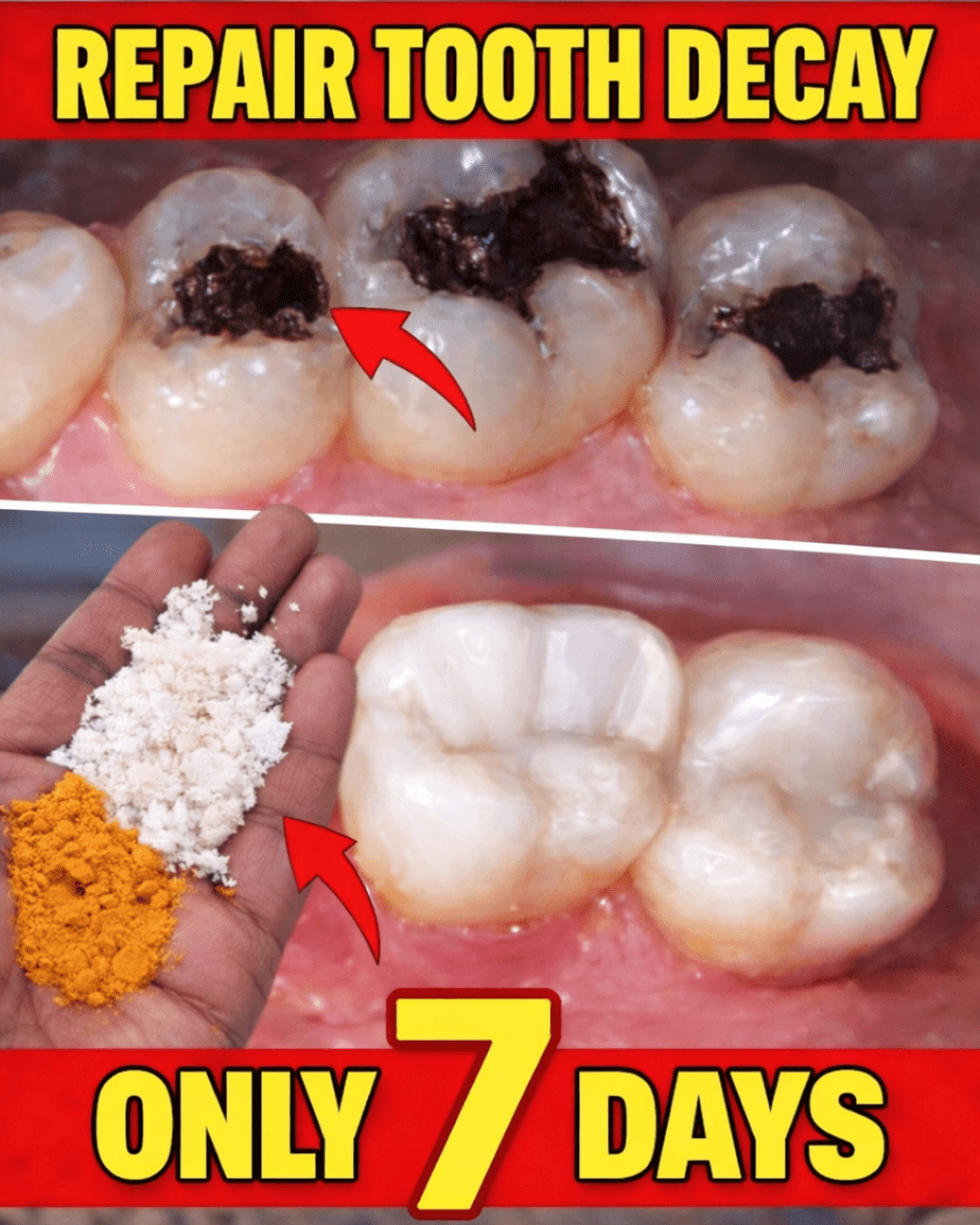
Tooth decay, yellow stains, and nagging tooth pain can disrupt daily life, making eating, speaking, or even smiling feel uncomfortable. These issues often stem from plaque buildup, acid-producing bacteria, and enamel erosion, leading to sensitivity, discoloration, and potential infections. Many turn to quick fixes, but the frustration builds when symptoms persist or worsen without proper care. The good news is that certain natural approaches, backed by traditional use and some scientific insights, may help support oral hygiene, reduce bacterial activity, and ease mild discomfort while you maintain good habits or seek professional advice.
But here’s the exciting part: simple, everyday ingredients can play a supportive role in your routine—offering a gentler way to promote fresher breath, brighter appearance, and less irritation. Keep reading to discover evidence-informed options and a practical plan to try.

Understanding Common Oral Health Challenges
Tooth decay (often called cavities) happens when bacteria in plaque produce acids that erode enamel over time. Yellow teeth result from surface stains caused by coffee, tea, smoking, or poor hygiene, while pain typically signals sensitivity, early decay, or inflammation.
Research shows that supporting your mouth’s natural defenses—like neutral pH and reduced bacteria—can help prevent progression in mild cases. While these aren’t cures, they complement brushing and flossing.
Proven Natural Ingredients for Oral Support
Several household items have shown promise in studies for antibacterial, anti-inflammatory, or mild whitening effects.
Turmeric’s Role in Oral Care
Turmeric contains curcumin, known for its anti-inflammatory and antimicrobial properties. Studies suggest it may help reduce plaque and support gum health when used in pastes or rinses.
Mix a small amount of turmeric powder with water or coconut oil to form a paste. Apply gently to teeth and gums, then rinse after a few minutes. Use sparingly to avoid temporary staining.

Clove Oil for Temporary Relief
Clove oil, rich in eugenol, has long been recognized for its numbing and antibacterial effects. Evidence from dental research supports its use for short-term pain relief in mild cases.
Dilute a drop or two in a carrier oil like coconut oil. Dab on a cotton ball and apply to the affected area for a few minutes. Avoid direct undiluted use to prevent irritation.
Salt Water Rinses for Cleansing
Warm salt water acts as a gentle antiseptic, helping reduce bacteria and soothe inflammation. Multiple studies confirm it promotes healing and lowers plaque when used regularly.
Dissolve 1/2 teaspoon of salt in 8 ounces of warm water. Swish for 30 seconds after meals or as needed, then spit.
Neem’s Traditional Benefits
In Ayurvedic practice, neem is valued for its antimicrobial properties. Research indicates neem extracts may inhibit bacteria linked to plaque and support overall oral hygiene.
Use neem powder as a gentle brush or in rinses. Many find it refreshing for breath and gum comfort.

Baking Soda for Gentle Whitening
Baking soda neutralizes acids and mildly abrades surface stains. Reviews in dental journals show it’s effective and safe for stain removal when used occasionally.
Brush gently with a paste of baking soda and water 1-2 times weekly. Pair with fluoride toothpaste for cavity protection.
Here are quick comparisons of these options:
- Best for pain relief: Clove oil (temporary numbing)
- Best for bacteria reduction: Salt water or neem
- Best for stain support: Baking soda or turmeric
- Best daily rinse: Salt water

Your 7-Day Supportive Routine
Try this gentle plan to incorporate natural elements alongside regular care. Always brush twice daily with fluoride toothpaste and floss.
- Morning: Brush with a pinch of baking soda mixed into your regular toothpaste for mild stain support.
- After meals: Rinse with warm salt water to clear debris and balance pH.
- Evening: Apply diluted clove oil to any sensitive spots for comfort.
- Midweek boost: Use a turmeric or neem paste 2-3 times for antibacterial support.
- Throughout: Limit sugary/acidic foods to protect enamel.
Many notice fresher breath and less irritation within days—but results vary.
Important Considerations and FAQs
These approaches may help manage mild symptoms and support prevention, but they’re not substitutes for professional care. Deep decay, severe pain, swelling, or infection requires a dentist’s evaluation—home methods can only do so much.
FAQ
Can natural remedies reverse cavities?
No, established cavities need professional treatment like fillings. However, early demineralization may benefit from remineralizing habits and reduced acid exposure.
How often can I use baking soda or turmeric?
Limit to 1-2 times weekly to avoid over-abrasion or staining. Alternate with standard toothpaste.
Are these safe for everyone?
Most are gentle, but test for allergies (e.g., clove oil). Consult a dentist if pregnant, nursing, or with sensitivities.
When should I see a dentist?
If pain lasts more than a few days, worsens, or includes fever/swelling—seek care promptly.
Disclaimer: This article is for informational purposes only and not medical advice. These natural supports are not intended to diagnose, treat, cure, or prevent any disease. Always consult a qualified dental professional for personalized guidance, especially for persistent or severe symptoms. Prioritize regular check-ups for optimal oral health.
A brighter, more comfortable smile is within reach with consistent, gentle habits—start small today and build from there.