 By admin
 Head lice infestations are a common, albeit often uncomfortable, experience for families worldwide. That moment when you spot tiny insects in a child’s hair can quickly turn to worry and even embarrassment. These minuscule pests spread silently through schools, homes, and close-knit communities, leading to persistent itching, irritated scalps, and a sense that conventional remedies fall short. However, there’s good news: effective management is possible through a combination of simple hygiene practices and gentle home care. This article will guide you through understanding head lice and, crucially, introduce you to a time-honored herbal oil routine that many families have quietly embraced for generations.
Understanding Head Lice: Dispelling Myths and Tracing Their Spread
Head lice are minute, wingless insects that inhabit the human scalp, subsisting on tiny quantities of blood. These parasites are astonishingly common globally, particularly prevalent among children and families in close living or social environments. It’s vital to clarify a widespread misconception: head lice do not discriminate based on cleanliness. An infestation is not a sign of poor hygiene; rather, these resilient creatures spread readily through everyday interactions. Common transmission methods include:
- Sharing personal hair tools like combs or brushes
- Close physical play among children
- Using shared headwear, pillows, or scarves
- Sleeping in shared beds during family visits or gatherings
The primary mode of transmission, as confirmed by public health studies, is direct head-to-head contact, not a lack of personal cleanliness. Given their rapid reproductive cycle, early detection and prompt action are paramount for effective management and preventing wider spread.
Recognizing the Signs: How to Spot Head Lice
Often, the initial indication of a head lice infestation for many adults isn’t seeing the insects themselves, but rather experiencing persistent discomfort. Key signs that suggest lice may be present include:
- Unrelenting itching of the scalp
- The appearance of small, reddish bumps on the neck or scalp
- Disturbed sleep patterns due to persistent irritation
- Discovery of tiny, white or yellowish eggs, known as nits, firmly attached to hair strands close to the scalp
It’s important to note that not everyone experiences immediate itching; some individuals, particularly older adults, might initially feel no discomfort. This underscores the importance of thorough visual inspection using a fine-toothed comb under good lighting conditions.
Lice vs. Dandruff: A Quick Visual Guide
Distinguishing between nits and dandruff can prevent unnecessary alarm. Here’s a quick comparison to help you tell the difference:
- Location: Nits are firmly glued to individual hair shafts, whereas dandruff flakes are loose on the scalp and hair.
- Movement: Nits do not move easily and require effort to dislodge. Dandruff falls off readily when touched or brushed.
- Color: Nits typically appear yellowish or light brown. Dandruff presents as white flakes.
- Shape: Nits have a distinct oval, tear-drop shape. Dandruff flakes are irregular in form.
This straightforward comparison can clarify whether you’re dealing with lice or simply dry scalp issues.
The Appeal of Gentle Home Care: Why Natural Methods Endure
Across various cultures, particularly within older generations in households like those in Mexico, natural scalp care practices have been cherished for generations. Their enduring popularity stems from their simplicity, affordability, and the use of readily available kitchen ingredients. Certain oils offer several potential benefits in the context of lice removal:
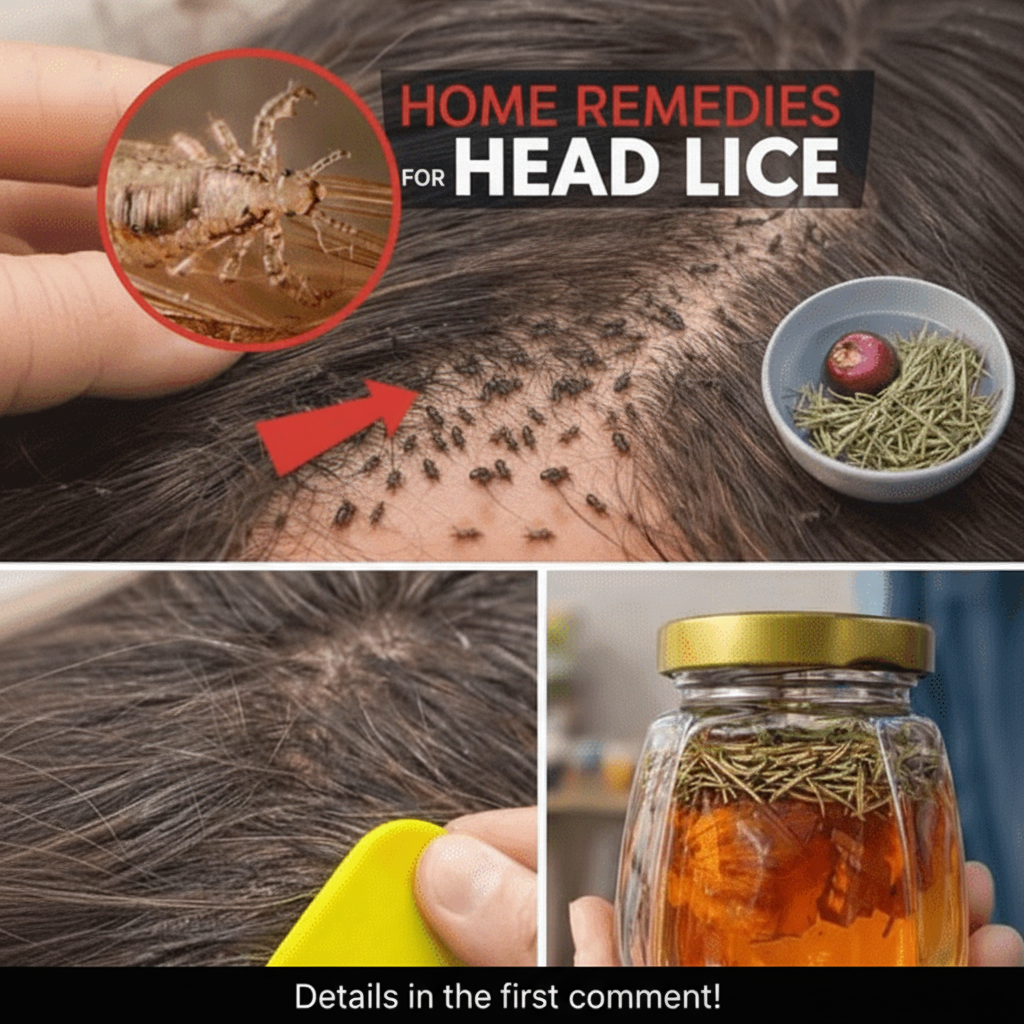
- They can make hair strands more slippery, facilitating the easier detachment of lice and nits.
- They may help to soothe and soften the scalp, alleviating irritation.
- They can lubricate the hair, making the crucial process of combing with a fine lice comb much smoother and more effective.
It is crucial to emphasize that while natural remedies can be highly supportive, they are not a substitute for professional medical advice or prescribed treatments. These methods function best as complementary hygiene practices within a comprehensive lice management strategy. Nevertheless, many families value the gentle approach herbal oils offer for scalp health. An intriguing aspect of these traditional methods is that specific herbs, when incorporated into oils, contain natural aromatic compounds known to be unappealing to insects.
Embracing Tradition: A Step-by-Step Herbal Oil Protocol for Lice Removal
Inspired by age-old home practices passed down through generations, this straightforward routine leverages the power of natural ingredients. Here are the commonly used components:
- Base Oil: Olive oil or coconut oil
- Herbal Additives: Garlic cloves and fresh rosemary leaves
These specific herbs are frequently cited in traditional remedies for their potent natural aromas, which are believed to deter pests.
Simple Preparation Method:
- Gently Heat the Oil: Warm one cup of your chosen base oil (olive or coconut) over low heat until it is slightly warm, not hot.
- Infuse the Herbs: Add two freshly crushed garlic cloves and a small handful of rosemary leaves to the warm oil.
- Allow Infusion: Let this mixture steep for several hours, ideally overnight, to allow the herbal properties to infuse thoroughly into the oil.
- Strain and Store: Strain out the solid herbs, then transfer the infused oil into a clean, airtight glass jar for storage.
How to Apply the Herbal Oil:
- Apply to Scalp and Hair: Take a small quantity of the prepared oil and gently apply it directly to the scalp and throughout the hair.
- Massage Thoroughly: Massage the oil into the scalp for several minutes, ensuring even distribution.
- Allow to Sit: Leave the oil on the hair for a duration of 30 to 60 minutes.
- Crucial Combing Step: Using a specialized fine-toothed lice comb, carefully comb through the hair, working in small sections from the roots to the tips. This step is critical for physically removing lice and nits.
- Wash Hair: Conclude by washing the hair thoroughly with your regular shampoo, rinsing well to remove all oil residue.
It is paramount to understand that while the herbal oil aids in making the hair slippery and potentially suffocating lice, the most critical step for effective lice and nit removal is the meticulous combing. This physical removal is what truly breaks the infestation cycle.
Comprehensive Home Management: Beyond Herbal Oils
While herbal oils offer a supportive approach, health professionals emphasize that a multi-faceted strategy is key for successful head lice management. A practical, step-by-step routine should integrate several simple yet effective habits:
- Regular Scalp Checks: Routinely inspect the scalp and hair of all family members, especially children, to catch infestations early.
- Consistent Combing: Utilize a high-quality fine-toothed lice comb every few days, even if no active lice are visible, as a preventative and ongoing treatment measure.
- Hygiene for Linens: Wash all bedding, pillowcases, and recently worn clothing in hot water (at least 130°F/54°C) and dry on a high heat cycle.
- Avoid Sharing: Strictly avoid sharing personal items such as combs, brushes, hats, scarves, and hair accessories.
- Clean Hair Tools: Regularly clean and disinfect all hair accessories and brushes used by the affected individual.
Ultimately, the cornerstone of effective lice eradication and prevention is consistency. Adhering to these practices diligently, combined with gentle home remedies like the herbal oil protocol, significantly increases the chances of successful lice removal and long-term relief.