 By admin
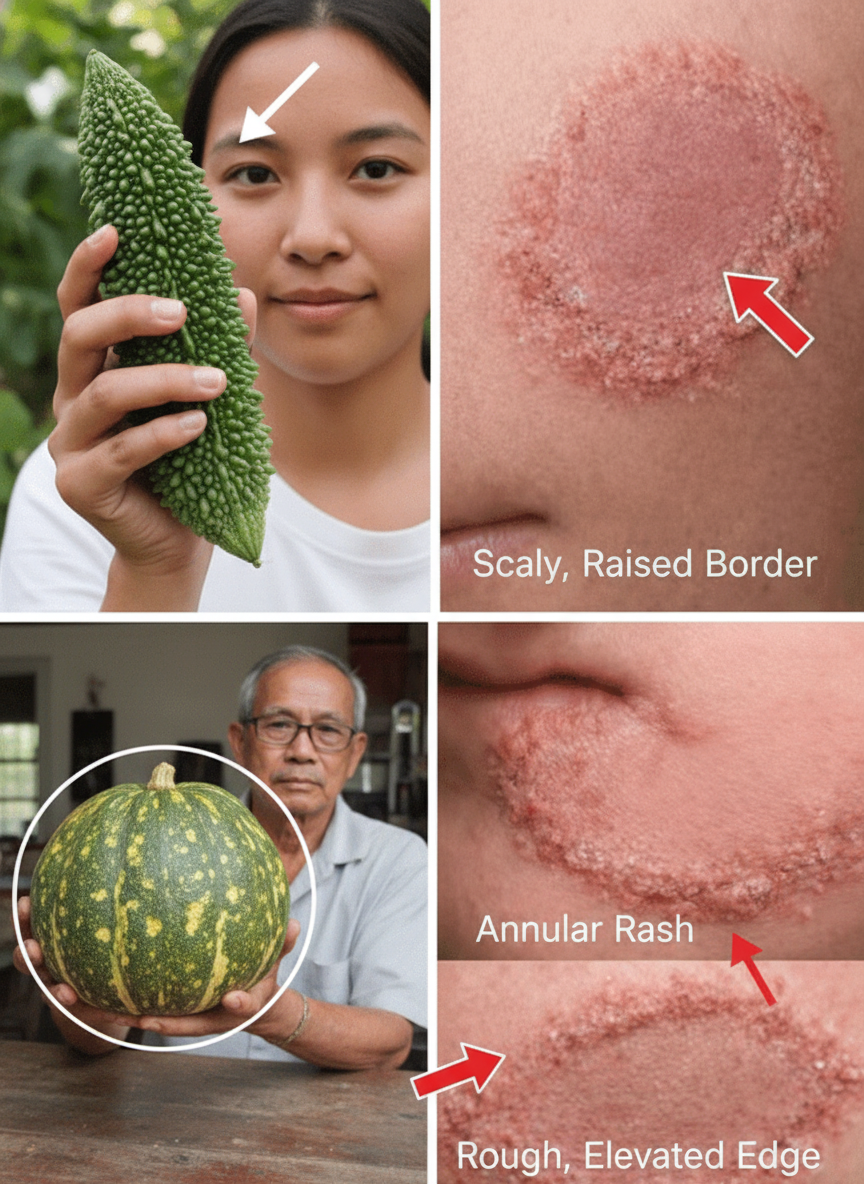
 That familiar, itchy ring on your skin – perhaps on an arm, neck, or cheek – often starts subtly. What seems harmless at first can quickly escalate into persistent itching and noticeable redness, causing discomfort and embarrassment. The good news is that many common fungal skin irritations, often referred to as ‘ringworm’ or tinea infections (like Tinea corporis), can be managed and prevented with simple home care and natural approaches. Let’s explore effective strategies to soothe your skin and support its recovery.
Understanding Fungal Skin Irritations
These ring-shaped red patches, common in adults, are typically caused by organisms called dermatophytes. These fungi thrive in warm, moist environments and are surprisingly common in our daily lives. Several factors can make skin more vulnerable:
- Moisture & Heat: Sweaty clothing, humid climates, and moist skin folds (e.g., groin, armpits, between toes) create ideal breeding grounds.
- Compromised Skin: Small scratches or a thinning skin barrier (more common with age) can allow fungi to settle.
- Shared Items: Personal towels, clothing, or locker room surfaces can transfer these organisms.
While often benign, ignoring these irritations can lead to their spread, making timely intervention important.
Natural Remedies for Skin Comfort
Throughout history, various plants and natural compounds have been traditionally used to support skin health. Here are a few options known for their potential soothing and protective properties:
1. Bitter Melon (Momordica charantia)
- Traditional Use: In some cultures, crushed bitter melon pulp is applied to irritated skin.
- Potential Benefit: Research suggests bitter melon contains plant compounds with antimicrobial and anti-inflammatory properties, though more clinical studies are needed.
2. Coconut Oil
- Key Components: Contains fatty acids like lauric acid, which may support skin barrier health.
- Benefits:
- Moisturizes dry, irritated skin.
- Helps reduce scaling.
- Creates a protective skin layer.
3. Garlic-Infused Oil
- Active Compound: Garlic contains allicin, recognized for its antimicrobial activity in laboratory studies.
- Important Note: Always dilute garlic in a carrier oil (like olive or coconut oil) before applying to the skin. Raw garlic can be irritating to sensitive areas.
4. Tea Tree Oil
- Well-Researched: Widely studied for its antifungal and antibacterial properties.
- Application: Essential oils must always be diluted in a carrier oil before direct skin application to prevent irritation.
Important Disclaimer: These natural options are generally considered supportive care. If symptoms persist or worsen, always consult a healthcare professional for proper diagnosis and treatment.
Daily Habits for Prevention & Recovery
Preventing the spread and recurrence of fungal infections often comes down to simple, consistent daily habits. These small changes can make a significant difference:
- Keep Skin Dry: Fungi thrive in moisture. Gently and thoroughly dry your skin after showering, especially in skin folds (underarms, groin, between toes).
- Avoid Sharing Personal Items: This includes towels, clothing, razors, and bedding.
- Wash Fabrics Regularly: Use hot water when washing clothing and bedding to help eliminate microbes.
- Wear Breathable Fabrics: Opt for cotton or moisture-wicking materials that allow air circulation and reduce skin humidity.
- Resist Scratching: Scratching can spread the infection to other parts of your body and potentially introduce bacterial infections.
By understanding the triggers and incorporating these natural remedies and hygiene practices, you can effectively manage and prevent fungal skin irritations, promoting healthier, more comfortable skin.