 By admin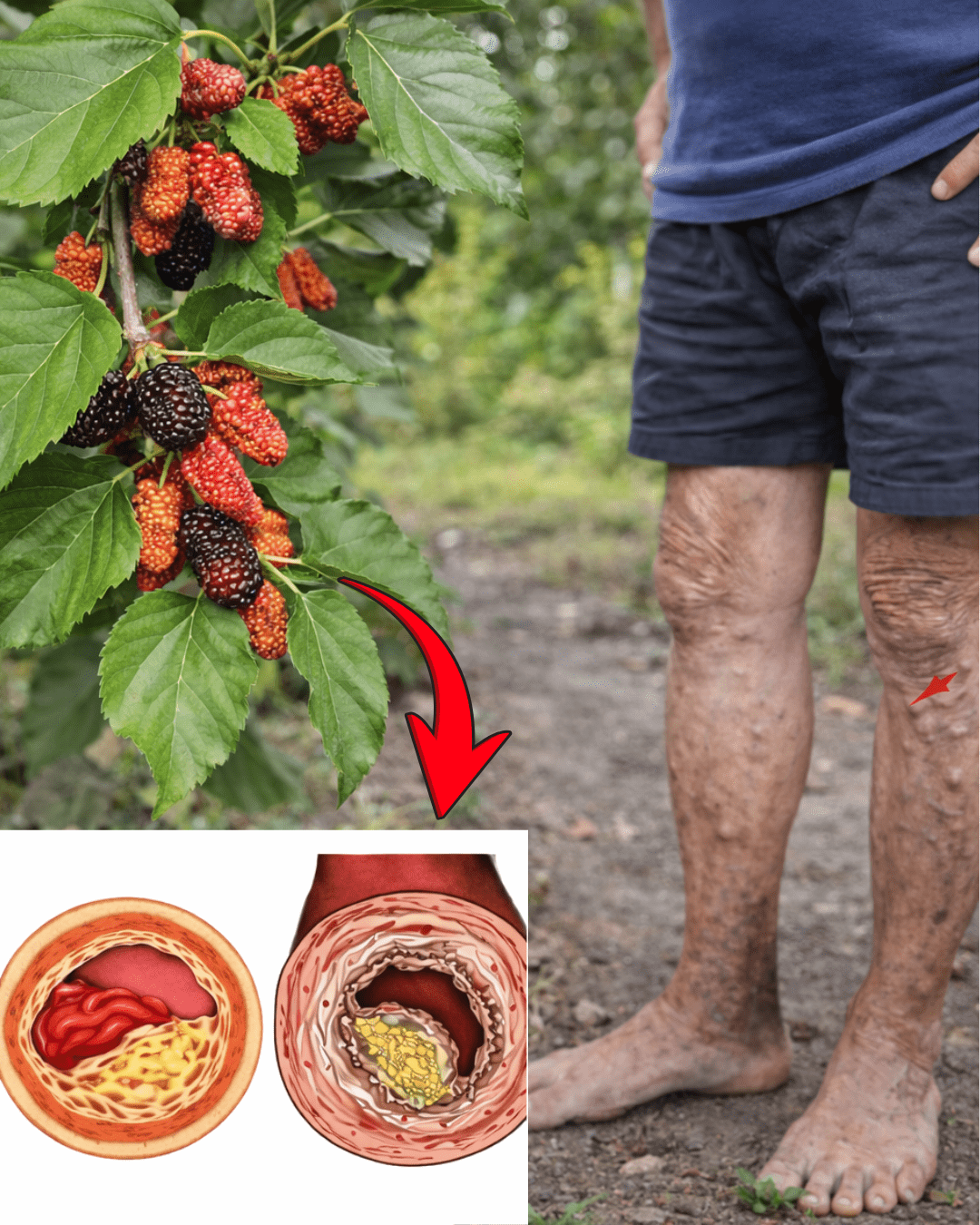
Millions of adults face the daily challenges of unsteady blood sugar, elevated blood pressure, high cholesterol, nagging body discomfort, and sluggish circulation — issues that often worsen after 40 and drain energy, mobility, and quality of life. These interconnected problems can stem from insulin resistance, arterial stiffness, low-grade inflammation, and poor vascular health, making everyday activities feel exhausting and lab results worrisome despite efforts with diet and exercise. Conventional approaches like medications target specific symptoms but may overlook the broader metabolic web, leaving many searching for gentle, complementary options. Emerging research points to mulberry leaf (Morus alba), a traditional plant used for centuries in Asian medicine, as a promising natural source of compounds that may help address several of these concerns at once — and the most intriguing findings come from its key bioactive elements.

Why Metabolic Issues Intensify After Midlife — And Why a Multi-Target Approach Matters
As we age, subtle changes accumulate: cells become less responsive to insulin, blood vessels lose flexibility, oxidative stress rises, and inflammation simmers quietly. Studies link these shifts to higher risks of joint and muscle discomfort, fatigue after meals, and overlapping conditions like prediabetes or hypertension.
Many people report persistent aches tied to metabolic factors, yet single-focus fixes (a pill for sugar or another for lipids) sometimes fall short because they miss the interconnected nature of these issues. This is where nature’s multi-taskers shine — plants with diverse bioactive compounds that support multiple pathways gently.
But that’s not all… one leaf stands out in traditional use and modern investigations for its broad potential.

Meet Mulberry Leaf: A Traditional Ally Backed by Growing Science
Mulberry leaf, known as lá dâu tằm in Vietnamese or hoja de mora in Spanish, comes from the Morus alba tree. Revered in traditional Chinese and Vietnamese medicine for supporting circulation, clearing excess heat, and aiding metabolic balance, it contains key compounds like 1-deoxynojirimycin (DNJ), flavonoids, polyphenols, and polysaccharides.
Research highlights how these elements may work:
- Blood Sugar Support — DNJ acts as an alpha-glucosidase inhibitor, potentially slowing carbohydrate breakdown and glucose absorption in the gut, which may help moderate post-meal spikes and support overall glycemic control (supported by human trials showing attenuated postprandial responses).
- Cardiovascular and Circulation Benefits — Antioxidants and other compounds may promote vessel relaxation, improve elasticity, and enhance blood flow, with some animal and review data suggesting contributions to healthier pressure dynamics.
- Cholesterol and Lipid Balance — Meta-analyses of randomized trials indicate potential reductions in total cholesterol, LDL (“bad”) cholesterol, and triglycerides, alongside possible HDL improvements in certain contexts.
- Inflammation and Comfort — Polyphenols and flavonoids exhibit anti-inflammatory and antioxidant properties that may help counter oxidative stress linked to discomfort and metabolic strain.
These effects stem from traditional use and preclinical/clinical evidence, though more large-scale human studies are needed to fully confirm benefits.
Self-check: How would you rate your energy after typical meals on a scale of 1-10? If it’s dipping, exploring supportive options like this could make a difference.

Real-World Insights: Stories of Noticeable Shifts
Consider everyday experiences shared in wellness communities. One middle-aged individual managing type 2 diabetes added mulberry leaf tea consistently and noted steadier readings and reduced leg discomfort over weeks — aligning with studies on DNJ’s role in glucose moderation.
Another person dealing with high cholesterol and pressure incorporated a mulberry leaf supplement alongside lifestyle habits; follow-up labs showed encouraging lipid shifts, echoing trial data on polyphenols’ lipid-supporting potential.
A third focused on inflammation-related aches found regular use eased mobility, possibly tied to the leaf’s antioxidant profile.
These anecdotes highlight individual variability, but they reflect patterns seen in research.
Here’s a quick mid-article check-in to lock in key points:
- The primary compound for carbohydrate-related support? DNJ.
- Your biggest current metabolic concern? (Jot it down mentally.)
- Most appealing preparation? (Hint: Simple tea tops the list.)
- Current vitality level vs. earlier? (1-10 scale.)
- Ready for practical steps? Let’s move forward!

Practical Ways to Incorporate Mulberry Leaf Safely
Mulberry leaf is most commonly enjoyed as tea — accessible, affordable, and easy to prepare.
Simple Mulberry Leaf Tea Recipe (Step-by-Step):
- Use 1-2 teaspoons of high-quality dried mulberry leaves (or equivalent fresh if available).
- Bring 1 cup (about 200-250 ml) of water to a boil.
- Add the leaves, remove from heat, cover, and steep for 5-10 minutes.
- Strain and enjoy plain, or add a touch of lemon/honey for taste (avoid excess sugar).
- Drink 1-3 cups daily, ideally with or before meals for potential glucose support.
Other Forms:
- Powder: Stir into smoothies or yogurt (follow product dosing, often 500-1000 mg).
- Capsules/Extracts: Choose standardized products; start low and follow label instructions.
Consistency matters — benefits in studies often appear with regular use over weeks. Always source from reputable suppliers for purity.
Quick Comparison: Mulberry Leaf vs. Common Options
- Aspect | Mulberry Leaf Potential | Common Medications (e.g., for glucose/lipids) | Other Herbs (e.g., cinnamon)
- Blood Sugar Support | May slow absorption, aid control | Strong, targeted lowering | Mild effects
- Blood Pressure/Circulation | Vessel support, relaxation | Specific mechanisms | Variable
- Cholesterol Balance | Potential LDL/TG reduction, HDL aid | Potent effects | Some support
- Inflammation/Comfort | Antioxidant/anti-inflammatory | Varies by drug | Often helpful
- Accessibility | Natural tea, widely available | Prescription required | Common spice
This multi-path approach sets it apart for those seeking gentle complements.
Your 30-Day Potential Shift: Start Small, Notice Changes
Picture steadier daily energy, reduced post-meal fog, easier movement, and perhaps improved lab markers after consistent incorporation. Pair it with balanced meals, movement, and stress management for amplified effects.
Start today: Brew your first cup of mulberry leaf tea. Track how you feel after a few weeks — many report subtle, welcome shifts.
Share this with someone navigating similar challenges — small steps can inspire big changes.
Frequently Asked Questions (FAQ)
What is the best time to drink mulberry leaf tea?
Many use it before or with carbohydrate-containing meals to potentially support glucose responses, but 1-3 cups spread throughout the day works for general wellness.
Is mulberry leaf safe for long-term use?
Short-term studies (up to 12 weeks) suggest it’s generally well-tolerated, but consult a healthcare provider for ongoing use, especially with health conditions.
Can mulberry leaf interact with medications?
It may influence blood sugar or pressure, so discuss with a doctor if taking related drugs to monitor for adjustments.
Important Disclaimer
This article is for informational purposes only and is not intended as medical advice. Mulberry leaf is not a substitute for professional treatment. Consult your healthcare provider before starting any new supplement or remedy, particularly if you have diabetes, hypertension, take medications, or are pregnant/nursing, as potential interactions exist. Individual results vary, and more research is ongoing.
Here’s to feeling more vibrant — one gentle leaf at a time. (Word count: ~1350)