 By admin
 Milk Thistle and Brain Health: Exploring Scientific Evidence for Cognitive Support
Milk thistle (Silybum marianum) boasts a venerable history spanning over two millennia in traditional European and Middle Eastern medicine, primarily revered for its liver-supporting properties. Its most extensively studied active compound, silymarin—a complex of potent flavonolignans including silybin A/B, silychristin, silydianin, and isosilybin—is well-documented for its hepatoprotective, antioxidant, and anti-inflammatory effects. In recent years, researchers have increasingly investigated whether these powerful mechanisms, particularly its robust antioxidant and anti-inflammatory capabilities, could also extend their benefits to the brain and central nervous system.
While the liver undeniably remains the primary target organ for milk thistle, emerging preclinical research and a growing, albeit small, number of human pilot studies indicate that milk thistle and its active constituent, silymarin, may offer significant neuroprotective and cognitive-supportive advantages. Below is a clear, up-to-date summary (as of early 2025) outlining what scientific inquiry has definitively shown, what remains promising but unproven, and realistic expectations for individuals considering milk thistle for enhanced brain health.
Key Bioactive Compounds in Milk Thistle Relevant to Brain Health
The neuroprotective potential of milk thistle is largely attributed to specific bioactive compounds. These molecules are capable of crossing the blood-brain barrier (BBB) in meaningful concentrations, a fact confirmed by animal models and certain human pharmacokinetic studies, allowing them to exert several actions that are neuroprotective in principle.
- Silybin (silibinin) — the most abundant and biologically active flavonolignan
- Silychristin & silydianin
- Isosilybin
- Flavonoids and other minor polyphenols
Main Mechanisms of Action in the Brain (Preclinical Evidence)
Preclinical investigations highlight several critical ways silymarin acts within the brain:
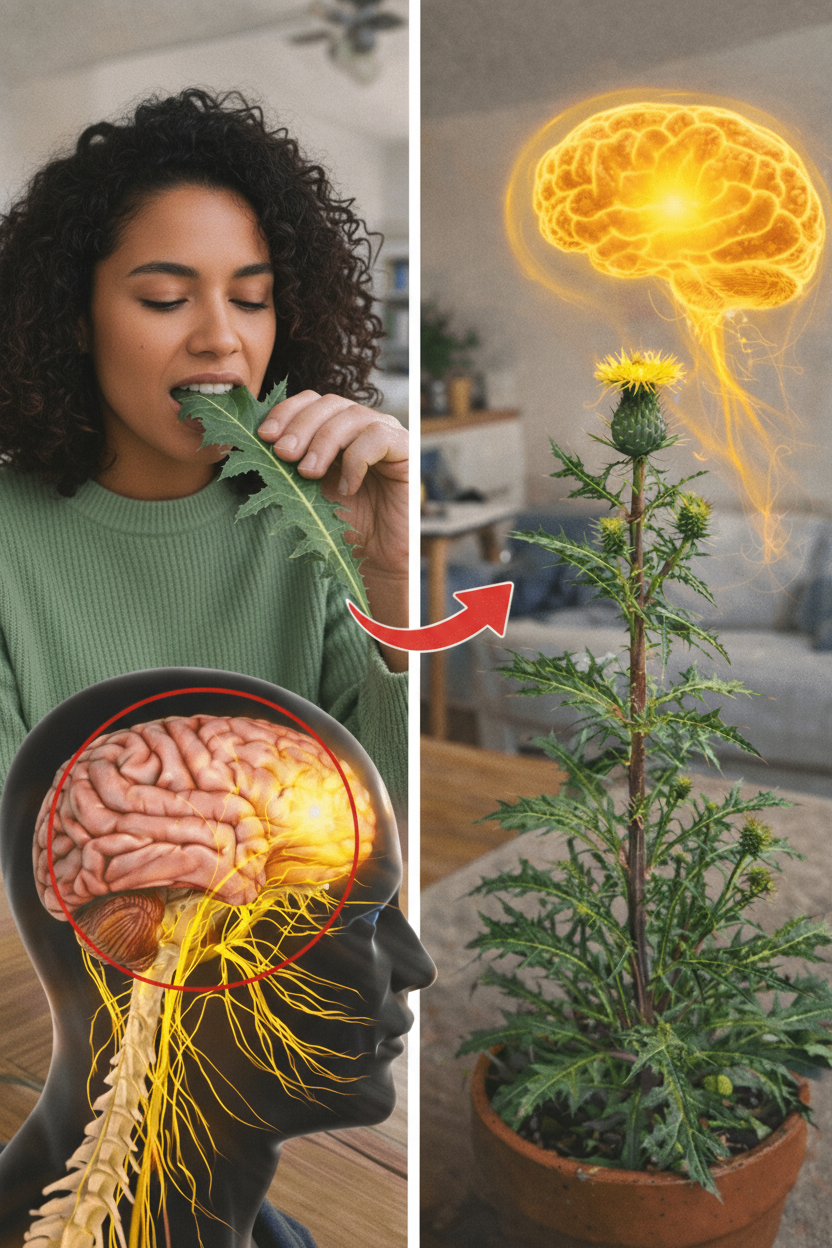
- Potent Antioxidant Protection
Silymarin effectively neutralizes reactive oxygen species (ROS), reduces lipid peroxidation, and boosts endogenous antioxidant defenses (such as glutathione, superoxide dismutase, and catalase). This action safeguards neurons from oxidative stress—a central driver of neurodegeneration in conditions like Alzheimer’s, Parkinson’s, and normal brain aging. - Robust Anti-inflammatory Activity
It significantly downregulates inflammatory pathways by inhibiting key markers like NF-κB, COX-2, iNOS, TNF-α, IL-1β, and IL-6 within microglia and astrocytes. By mitigating neuroinflammation, silymarin addresses a crucial feature implicated in cognitive decline, depression, and various neurodegenerative disorders. - Interference with Amyloid-Beta Aggregation & Tau Pathology
In vitro and animal studies demonstrate that silybin can impede the formation of amyloid-beta fibrils, reduce the deposition of amyloid plaques, and attenuate tau hyperphosphorylation. These findings are highly relevant to understanding and potentially treating Alzheimer’s disease models. - Modulation of Neurotransmitter Systems
Studies in some animal models indicate that silymarin can elevate acetylcholine levels, protect cholinergic neurons, and modulate dopamine and serotonin pathways. Such modulation suggests potential benefits for memory, attention, and overall mood regulation. - Support for Neurogenesis & Synaptic Plasticity
Silymarin has been shown to increase the expression of brain-derived neurotrophic factor (BDNF) and promote hippocampal neurogenesis in stressed or diabetic animal models. These effects are vital for learning, memory formation, and brain adaptability. - Blood-Brain Barrier Protection & Anti-apoptotic Effects
It helps reduce the permeability of the blood-brain barrier in models of brain injury and inhibits caspase-mediated neuronal death, thereby preserving brain integrity and neuronal survival.
Most Important Human Evidence (Still Limited but Growing)
While preclinical data is compelling, human research is still in its early stages but shows promise:
- Cognitive Function in Type 2 Diabetes
A notable 2022 randomized, double-blind, placebo-controlled trial involving 80 patients with type 2 diabetes revealed that 140 mg of silymarin taken three times daily for 45 days led to significant improvements in:- Mini-Mental State Examination (MMSE) scores
- Working memory and attention tasks
- Reduced markers of oxidative stress (MDA, SOD)
- Alzheimer’s Disease Pilot Studies
Small-scale open-label and pilot trials conducted between 2021 and 2024, utilizing silymarin (420–700 mg/day) as an adjunctive therapy, reported:- A slower rate of cognitive decline (measured by ADAS-Cog, MMSE)
- Improvements in behavioral symptoms
- Reduced burden for caregivers
(It’s important to note these are preliminary findings, with larger trials currently underway.)
- Post-Stroke Recovery
A handful of smaller human studies (from Iran and Egypt, 2020–2023) indicate that silymarin (300–600 mg/day) as an add-on treatment may enhance neurological scores and functional recovery following an ischemic stroke. - Hepatic Encephalopathy (Brain Dysfunction due to Liver Failure)
Numerous trials consistently demonstrate that silymarin can lower ammonia levels and improve the mental status of patients suffering from cirrhosis and mild-to-moderate hepatic encephalopathy, underscoring its established role in liver-brain axis support.
Realistic Expectations for Most People
It’s important to approach milk thistle supplementation with realistic expectations based on current research:
- If you are experiencing normal healthy aging (without diagnosed neurodegenerative disease)
- Possible subtle benefits may include:
- Enhanced mental clarity and focus
- Improved mood stability
- Reduced “brain fog” often experienced after meals or during stressful periods
- Timeline for noticeable effects: Typically 4–12 weeks when taking 200–420 mg of standardized silymarin daily.
- Maximized benefits: These effects are most pronounced when milk thistle is integrated with a healthy lifestyle, including adequate sleep, regular exercise, and a Mediterranean-style diet.
- Possible subtle benefits may include:
- If you have diagnosed mild cognitive impairment or early Alzheimer’s
While not a cure, milk thistle may modestly slow disease progression or aid in symptom management as an adjunctive therapy. Always consult with a healthcare professional before adding any new supplement, especially when managing diagnosed conditions.