 By admin
 Those tiny, pearl-like bumps on your skin, often appearing around the eyes, cheeks, or forehead, can be a source of persistent annoyance. Unlike typical breakouts, these stubborn white spots, known as milia, resist conventional acne treatments and can create an uneven skin texture that impacts how makeup applies and subtly diminishes your confidence. Many adults, particularly those in their thirties and beyond, experience the frustration of these unyielding blemishes. The common attempts to eliminate them often lead to irritation and sensitivity, further exacerbating the problem. But what if a deeper understanding of milia could pave the way for a more effective, gentle approach to achieving a visibly smoother complexion? Join us as we explore the truth about milia and reveal practical tips that can transform your skincare routine.
Why Milia Are Often Confused with Acne – And the Resulting Frustration
Discovering a new cluster of small white bumps on your face can be incredibly disheartening, particularly if you’ve been diligently treating them as stubborn acne. It’s crucial to understand that milia are fundamentally different from acne. These aren’t pimples; they are minute keratin cysts lodged just beneath the skin’s outermost layer, explaining their firm texture and why they cannot be “popped” like a typical breakout. This common misidentification often leads individuals to employ harsh, counterproductive treatments that irritate delicate skin areas, inadvertently worsening the very texture concerns they aim to resolve. If you’ve ever experienced the familiar sting of disappointment while examining your reflection, rest assured, you are not alone in contending with these persistent milia. The pivotal insight, however, is this: acknowledging milia as distinct from acne prevents needless skin damage and illuminates the path toward genuinely effective, supportive care. Dermatological studies consistently underscore how misguided treatment approaches can compromise your skin barrier, inadvertently extending the presence of these small white bumps. Envision waking to a complexion that feels visibly calmer and smoother – this is the profound relief many seek when milia become a prominent concern.
Demystifying Milia: Causes and Their Preferred Locations
At their core, milia develop when keratin, a naturally occurring protein found in your skin, becomes entrapped just below the surface, resulting in those distinct, small white bumps that often seem to emerge without warning. We categorize milia into two main types: primary milia, which typically develop spontaneously and are often linked to the skin’s natural processes, and secondary milia, which can be triggered by external factors such as skin injury, the application of rich or occlusive creams, or extensive sun exposure that leads to a thickening of the outermost skin layer. These tiny keratin cysts frequently appear in delicate areas like around the eyes and on the cheeks, primarily because the skin in these regions is thinner and more susceptible to product buildup or environmental stressors. If you’ve been consistently using heavy eye creams and notice a recurring pattern of milia, this correlation might resonate strongly with your experience. Research published in reputable sources like the Journal of Clinical and Aesthetic Dermatology highlights how certain occlusive products can indeed impede the natural shedding of skin cells, thereby trapping keratin and perpetuating the cycle of frustration associated with milia. The emotional burden of persistent white bumps can be significant, leading to self-consciousness in bright lighting or a reluctance to appear in close-up photographs. However, gaining this crucial knowledge empowers you to make more informed skincare choices. By comprehending the underlying triggers of milia, you can begin to support your skin’s natural renewal process, free from the burden of past missteps.
The Perils of Viral Overnight Milia Remedies and DIY Solutions
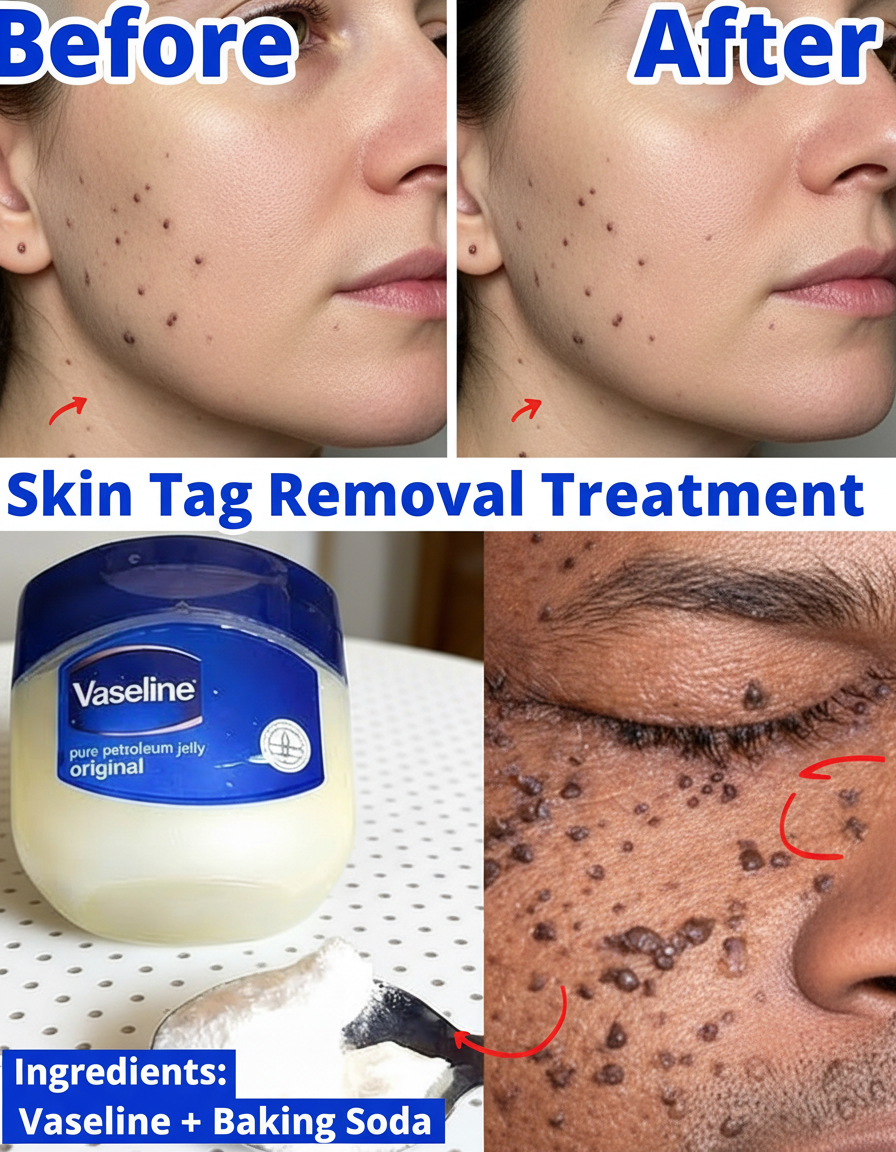
The internet, particularly platforms like TikTok, is rife with trends promising miraculous overnight cures for milia, often involving concoctions like Vaseline mixes or harsh, abrasive scrubs. Unfortunately, these popular DIY approaches frequently deliver more detrimental effects than genuine solutions. Such at-home remedies can paradoxically worsen milia by further occluding pores, thereby trapping even greater amounts of keratin and making the white bumps you wish to diminish more pronounced. Dermatologists universally caution against attempting self-extraction, as forcibly removing milia at home carries significant risks of scarring, post-inflammatory hyperpigmentation, or severe infection, transforming a minor cosmetic concern into a permanent skin issue. Furthermore, many widely circulated “cures” utilize ingredients such as baking soda, which can severely disrupt your skin’s delicate pH balance. This disruption often results in increased redness, irritation, and dryness, ironically making milia appear even more conspicuous. We’ve heard countless anecdotes, similar to one reader’s experience where a homemade honey-ginger scrub intended for her milia resulted in weeks of painful inflammation – a testament to the risks corroborated by clinical observations. Should the sight of those persistent white bumps tempt you to try the latest viral hack, we urge you to pause and prioritize evidence-based care: consistent, gentle strategies consistently outperform risky, rapid fixes.
Cultivating a Gentle Skincare Routine for Milia Management and Skin Renewal
When milia stubbornly persist, gradually eroding your everyday confidence, adopting a strategy centered on mild exfoliation can profoundly improve your skin texture. The key lies in integrating products that gently yet effectively promote natural cell turnover, thereby helping to progressively diminish the visibility of those white bumps. Extensive research consistently affirms that a regimen of consistent, gentle skincare proves highly effective in managing the appearance of milia over time, alleviating the frustration associated with these persistent spots. Here’s an essential list of practices and products to integrate into your milia-focused routine:
- Gentle Retinoids (e.g., Retinol, Retinaldehyde): These vitamin A derivatives are cornerstone ingredients that significantly encourage healthy skin cell renewal and turnover. By accelerating the shedding of dead skin cells, they help prevent keratin from becoming trapped and gradually dislodge existing milia buildup. Start with low concentrations a few times a week and gradually increase frequency as your skin tolerates.
- Chemical Exfoliants (AHAs/BHAs): Mild alpha hydroxy acids (AHAs) like lactic or glycolic acid, or beta hydroxy acids (BHAs) like salicylic acid, can gently exfoliate the skin’s surface. They help loosen dead skin cells and prevent keratin plugs, promoting smoother skin. Look for leave-on products like toners or serums with low concentrations.
- Non-Comedogenic & Lightweight Moisturizers: Opt for moisturizers and sunscreens labeled “non-comedogenic” or “oil-free.” Heavy, occlusive creams can contribute to milia formation by trapping keratin beneath the skin. Choose lighter formulations that hydrate without clogging pores.
- Daily Sun Protection: Consistent daily use of a broad-spectrum sunscreen (SPF 30 or higher) is vital. Sun exposure can thicken the outer layer of the skin, making it harder for dead skin cells to shed naturally, which can exacerbate or trigger milia.
- Professional Extraction: For persistent or numerous milia, a dermatologist or licensed aesthetician can safely perform manual extraction using a sterile needle or lancet. This is the safest and most effective method for immediate removal and should never be attempted at home due to risks of scarring and infection.