 By admin
 Making Healthier Seafood Choices: 7 Fish to Reconsider for Your Long-Term Well-being
Many of us consciously opt for fish over red meat, viewing it as a cornerstone of a healthy diet. And rightly so, as seafood is renowned for its lean protein and beneficial omega-3 fatty acids. However, this seemingly straightforward choice can sometimes come with hidden complexities. Concerns like elevated mercury levels, pervasive environmental pollutants, and questionable sourcing practices can subtly diminish the health benefits of your meal. Over time, consistent consumption of certain fish can lead to an accumulation of these undesirable elements in your body. The good news is that with a clearer understanding and a few simple adjustments, you can continue to enjoy seafood safely and confidently.
Understanding the Risks: Why Certain Fish Pose a Threat
While fish is widely celebrated for its nutritional profile, including essential proteins, heart-healthy omega-3 fatty acids, and vital micronutrients, not all species offer the same advantages. Some fish are prone to accumulating significant amounts of mercury, a naturally occurring neurotoxin. When ingested regularly in high doses, mercury can adversely affect the nervous system and overall health.
Beyond mercury, other environmental contaminants, such as polychlorinated biphenyls (PCBs), can also be present. These chemicals tend to accumulate in the fatty tissues of fish and can pose health risks with prolonged exposure. Regulatory bodies like the Food and Drug Administration (FDA) and the Environmental Protection Agency (EPA) have extensively researched and highlighted that larger, longer-lived predatory fish are particularly susceptible to higher mercury concentrations. This phenomenon, known as bioaccumulation, means that the higher a fish is on the food chain and the longer it lives, the more toxins it can amass.
Furthermore, the overall quality and safety of seafood can be influenced by various factors beyond natural contaminants. Unsustainable fishing practices, inadequate aquaculture standards, and general water pollution all play a critical role. Being informed about these issues is key to making responsible choices. Let’s explore the specific fish species that experts most frequently advise caution against.
1. King Mackerel
King mackerel, prized for its robust flavor and firm texture, is unfortunately also known for its high mercury content. Due to this concern, health organizations often recommend that certain groups, particularly pregnant women, nursing mothers, and young children, either limit or completely avoid this fish. The primary risk isn’t from a single serving but from repeated exposure over time. If you enjoy mackerel, consider opting for smaller varieties, such as Atlantic mackerel, which typically contain much lower mercury levels.
2. Shark
While shark meat might appear exotic in some culinary traditions, it consistently ranks among the fish with the highest mercury concentrations. As apex predators with exceptionally long lifespans, sharks are highly efficient at accumulating heavy metals throughout their lives. Seafood safety studies routinely place shark at the very top of the list for mercury content. It’s crucial to note that even healthy adults are strongly advised to limit their consumption of shark meat significantly, or avoid it altogether.
3. Swordfish
Swordfish is a popular choice for grilling and often served as a hearty steak. However, like king mackerel and shark, it is a large predatory fish frequently associated with elevated mercury levels. Federal dietary guidelines commonly list swordfish among the species that sensitive populations should avoid. If you appreciate the firm, meaty texture of swordfish, there are several safer, lower-mercury alternatives available that can satisfy a similar craving.
4. Tilefish from the Gulf of Mexico
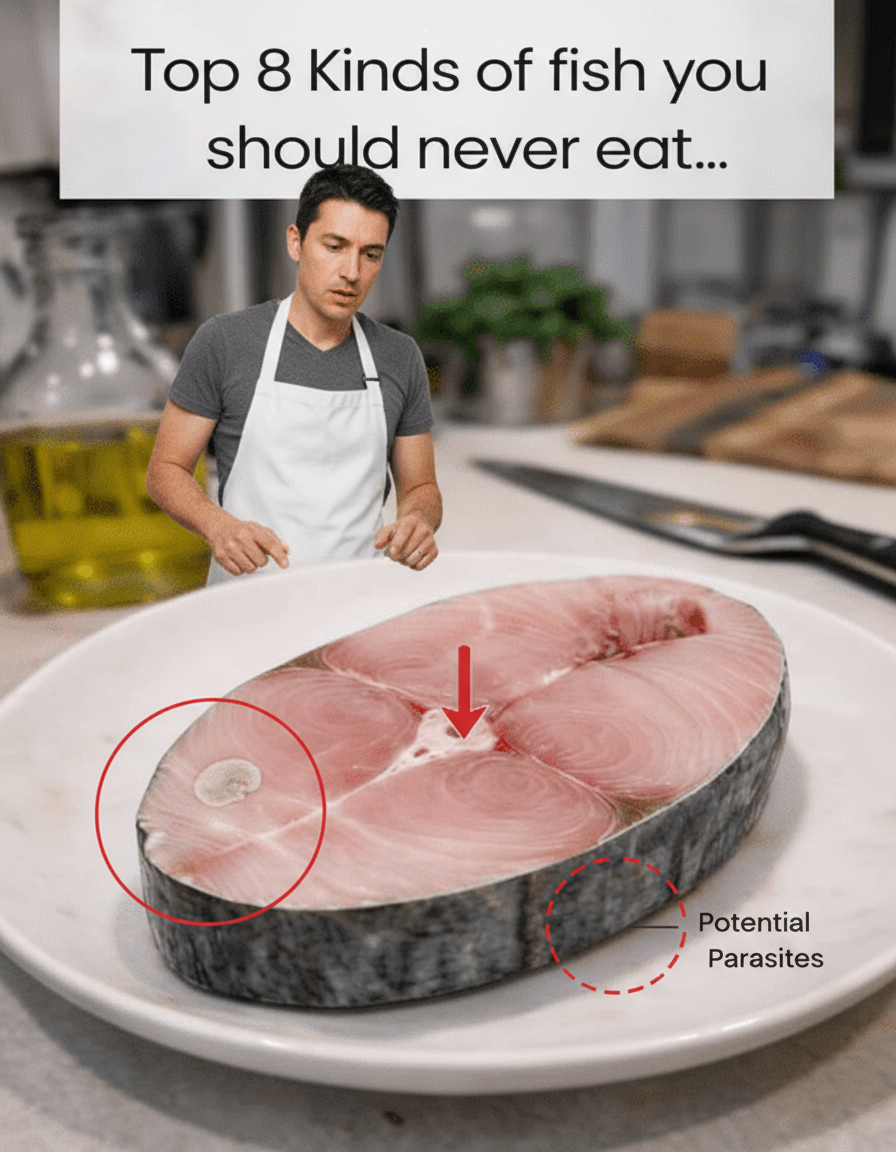
The mercury content in Tilefish can vary significantly based on its origin. Specifically, Tilefish caught in the Gulf of Mexico has been identified as having exceptionally high mercury levels. This regional distinction is why official health advisories often specify the geographic source when making recommendations for avoidance. Many consumers are surprised to learn that the same species caught in a different region might have considerably lower contaminant levels, underscoring the vital importance of knowing where your fish comes from.
5. Bigeye Tuna
Tuna is a beloved staple in many diets, from canned varieties to fresh sushi. However, not all tuna is created equal when it comes to mercury. Bigeye tuna, frequently used in sushi and sashimi, generally contains higher mercury levels than smaller species like skipjack. Albacore tuna also tends to have more mercury compared to light tuna (which is often skipjack). Here’s a quick comparison to help guide your choices:
- Bigeye Tuna: Consistently higher mercury levels.
- Albacore Tuna: Moderate mercury levels.
- Skipjack Tuna (often labeled ‘light tuna’): Generally the lowest mercury levels.
By selecting the right type of tuna, you can significantly reduce your mercury exposure while still enjoying this versatile fish.
6. Imported Farmed Salmon from Poorly Regulated Sources
Salmon is widely celebrated as a superfood, rich in omega-3s. However, concerns arise with some imported farmed salmon, particularly from regions with lax environmental oversight. These farming operations may employ practices that lead to higher levels of contaminants in the fish. Factors such as farming conditions, the quality of feed, and the cleanliness of the water all play a crucial role. Studies have shown a wide variance in contaminant levels depending on the salmon’s origin. This doesn’t mean all farmed salmon is unsafe; rather, it highlights the importance of sourcing. Look for reputable certifications and transparent labeling that indicate sustainable and well-regulated farming practices.
7. Chilean Sea Bass
Chilean sea bass, known for its rich, buttery flavor and often featured in upscale dining, presents a dual concern. It has been linked to moderate mercury levels, and critically, significant sustainability issues. As a long-lived species, it can accumulate environmental toxins over time. Furthermore, overfishing and unsustainable harvesting methods have made it a species of concern for environmental groups. Informed consumers should consider these factors when making their choices.
Making Informed Choices for Safer Seafood
Navigating the world of seafood can seem complex, but armed with the right information, you can make choices that support both your health and environmental sustainability. Prioritizing fish with lower mercury content, understanding the origins of your seafood, and looking for certifications that indicate responsible farming and fishing practices are crucial steps. By being a mindful consumer, you can continue to enjoy the many benefits of seafood while minimizing potential risks and contributing to healthier oceans.