 By admin
 Reaching the age of 50 is a significant personal achievement, yet it often coincides with noticeable shifts in vision for many individuals. Experiencing blurred text, struggling with night driving, or increased sensitivity to bright lights can become more prevalent with advancing age. The National Eye Institute reports that conditions such as cataracts, glaucoma, and age-related macular degeneration (AMD) impact millions of adults over 50 across the globe. While genetic predisposition and the natural aging process undeniably play roles, scientific evidence strongly suggests that dietary choices can profoundly influence the long-term health of your eyes. Indeed, certain foods are densely packed with nutrients specifically tailored to safeguard your vision and help maintain robust eye health for decades to come.
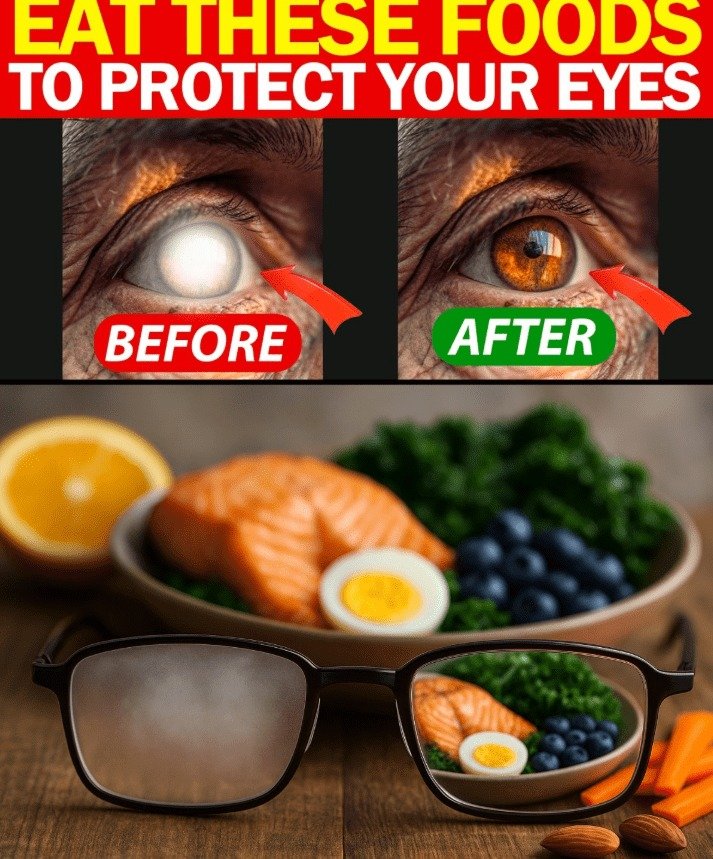
This comprehensive article will highlight the top 7 foods that seniors should integrate into their daily meals to sustain sharp, youthful eyesight. You will also discover practical, straightforward methods to incorporate these beneficial foods into your routine, alongside essential lifestyle recommendations that effectively complement a vision-supporting diet.
Why Eye Health Declines After 50
While the aging process naturally brings about changes in the eyes, both diet and lifestyle choices significantly influence the speed and severity of these transformations. Below are the most prevalent vision challenges encountered after the age of 50:
- Dry Eyes: As we age, tear production often diminishes, leading to uncomfortable dryness and irritation.
- Cataracts: Cloudiness in the eye’s lens results from protein alterations, causing impaired vision and increased glare sensitivity.
- Macular Degeneration: The macula, the central part of the retina crucial for sharp vision, can weaken over time.
- Glaucoma: Elevated pressure within the eye can damage the optic nerve, potentially leading to vision loss.
- Night Vision Issues: The pupils become less responsive in low light, making it challenging to see clearly after dark.
The encouraging news is that studies consistently demonstrate how specific vitamins, potent antioxidants, and healthy fats can effectively slow down or even aid in preventing the onset of these conditions.
1. Leafy Greens: Spinach, Kale, and Collards
These dark green powerhouses are abundant sources of lutein and zeaxanthin, essential carotenoids that accumulate in the retina, functioning as a protective shield against damaging blue light.
- Why they help: They are instrumental in lowering the risk of developing both macular degeneration and cataracts.
- How to enjoy: Easily incorporate them by blending spinach into your morning smoothie, sautéing kale with garlic, or adding collard greens to hearty soups.
| Nutrient | Food Source | Eye Benefit |
|---|---|---|
| Lutein & Zeaxanthin | Spinach, kale, collards | Protect retina, reduce glare sensitivity |
2. Fatty Fish: Salmon, Mackerel, Sardines
The Omega-3 fatty acids, specifically DHA and EPA, present in fatty fish are crucial for maintaining the structural integrity of retinal cells and are highly effective in combating dry eye syndrome.
- Why they help: These fats significantly improve tear production and work to reduce inflammation within the eyes.
- How to enjoy: Aim for two servings weekly; consider options like grilled salmon, adding sardines to salads, or enjoying mackerel sushi.
3. Citrus Fruits: Oranges, Grapefruits, Lemons
Citrus fruits are excellent sources of vitamin C, a potent antioxidant vital for strengthening the delicate blood vessels of the eyes and reducing the likelihood of cataract development.
- Why they help: They play a key role in preventing oxidative stress, which can otherwise damage the eye’s lens and retina.
- How to enjoy: Begin your day with fresh orange slices, infuse your water with lemon, or mix grapefruit into vibrant salads.
4. Carrots and Sweet Potatoes
These vibrant orange vegetables are rich in beta-carotene, a precursor that the body transforms into vitamin A, an absolutely essential nutrient for maintaining optimal night vision.
- Why they help: They are crucial for preventing night blindness and for supporting the overall health of the cornea.
- How to enjoy: Try roasting sweet potato wedges, snacking on carrot sticks with hummus, or incorporating them into comforting soups.
5. Eggs
Egg yolks offer another fantastic supply of lutein and zeaxanthin, in addition to containing zinc, a mineral that assists vitamin A in forming the crucial protective pigment within the retina.
- Why they help: They effectively support central vision and significantly decrease the risk of age-related macular degeneration.
- How to enjoy: Enjoy them hard-boiled as a convenient snack, scrambled for a nutritious breakfast, or chopped and added to various salads.
6. Nuts and Seeds: Almonds, Walnuts, Sunflower Seeds
These wholesome foods provide a good supply of vitamin E and beneficial fats, both of which are critical for safeguarding eye cells from the detrimental effects of free radical damage.
- Why they help: Their consumption can help to slow down the progression of various age-related eye diseases.
- How to enjoy: Consider sprinkling sunflower seeds over your salads, enjoying a small handful of almonds, or mixing walnuts into your morning oatmeal.
7. Blueberries and Blackberries
These berries are abundant in anthocyanins, powerful antioxidants known to enhance blood flow to the eyes and potentially improve night vision capabilities.
- Why they help: They offer protection to the retina and can help in slowing the onset of eye fatigue.
- How to enjoy: Incorporate them into smoothies, add them to yogurt, or simply enjoy them as a refreshing snack.
| Food Group | Key Nutrients | Eye Benefit |
|---|---|---|
| Leafy greens | Lutein, Zeaxanthin | Filters harmful blue light |
| Fatty fish | Omega-3 DHA/EPA | Supports retina, reduces dryness |
| Citrus fruits | Vitamin C | Strengthens blood vessels |
| Carrots/Sweet potatoes | Beta-carotene | Improves night vision |
| Eggs | Zinc, Lutein | Supports macula, central vision |
| Nuts/Seeds | Vitamin E | Protects eye cells |
| Berries | Anthocyanins | Boosts circulation, night vision |
Lifestyle Habits That Protect Your Eyes After 50
Maximizing the benefits of a diet rich in these seven foods is achieved when combined with a set of complementary healthy lifestyle practices:
- Wear UV-protective sunglasses: Always don UV-protective sunglasses to shield your eyes from harmful ultraviolet rays.
- Stay hydrated: Ensure you drink enough water throughout the day to prevent dry eyes.
- Get regular eye exams: Schedule routine eye examinations, as early detection is crucial for managing conditions like glaucoma and AMD.
- Limit screen time: Reduce digital eye strain by following the 20-20-20 rule: every 20 minutes, look at something 20 feet away for 20 seconds.
- Don’t smoke: Avoid smoking entirely, as it significantly accelerates the progression of macular degeneration and cataracts.
Frequently Asked Questions
Can a nutrient-rich diet truly prevent vision loss?
While dietary choices alone cannot halt every eye disease, a diet abundant in essential nutrients can substantially lower risks and decelerate the progression of many conditions.
Are supplements as effective as whole foods for eye health?
Supplements can be beneficial when dietary intake is insufficient, however, whole foods naturally offer a more comprehensive spectrum of protective compounds.
When can I expect to see improvements in my vision?
While immediate noticeable changes are uncommon, maintaining a consistently healthy diet provides significant long-term protection for your eyes.
Are these recommended foods suitable for everyone?
In general, these foods are safe; however, individuals with specific food allergies or existing medical conditions should always consult their doctor.
Disclaimer: This article is for informational purposes only and does not substitute professional medical advice. Always consult with an eye care specialist before making changes to your diet or treatment plan.