 By admin
 Introduction: Why This “Weed” Deserves a Second Look
For countless gardeners, Lamb’s Quarters (also known as wild spinach) is nothing more than a persistent nuisance, an invasive plant that aggressively competes with cultivated vegetables for vital space and nutrients. This common perception often leads to endless hours of frustrating weeding, only for the plant to reappear, seemingly more vigorous than before. However, the truth is far from this common misconception. This often-overlooked green isn’t a problem to eradicate; rather, it’s a valuable resource hidden in plain sight. By the time you finish reading this comprehensive guide, you’ll understand why Lamb’s Quarters could be one of the most beneficial plants you cultivate in your garden – and you’ll discover the surprising advantages that many people miss entirely.
What Is Lamb’s Quarters?
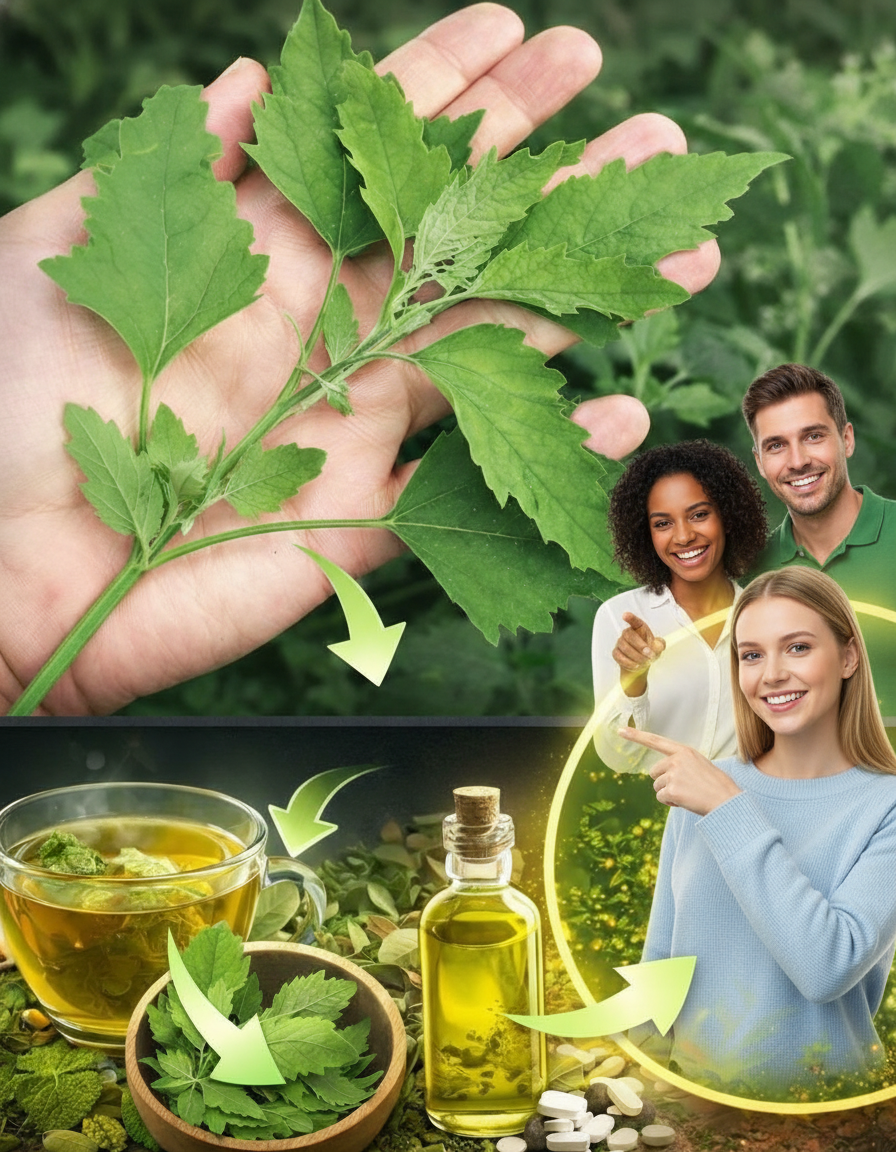
Lamb’s Quarters (Chenopodium album), also known as wild spinach, goosefoot, or fat hen, is a remarkably fast-growing herbaceous plant found globally. It flourishes in a variety of environments, from disturbed soils and backyard gardens to agricultural fields and even cracks in sidewalks. Yet, despite its modern reputation as a common weed, Lamb’s Quarters boasts a rich history, having been a staple food source for thousands of years across diverse cultures in Asia, Europe, Africa, and the Americas. Traditional diets valued this plant not for its mere accessibility but for its profound nutritional contributions. Today, contemporary scientific research is increasingly validating these ancient insights, revealing the true power of this resilient green.
The Nutritional Profile That Rivals Cultivated Greens
A Leafy Green Packed With Essential Nutrients
Lamb’s Quarters truly shines in its nutritional density, often surpassing even popular cultivated greens such as spinach or kale. Extensive research confirms its high concentrations of crucial vitamins and minerals, all vital for optimal daily health and well-being. Key nutrients found in abundance include:
- Vitamin A (beta-carotene): Essential for maintaining healthy vision, promoting vibrant skin, and bolstering immune system function.
- Vitamin C: A powerful antioxidant that contributes significantly to immune defense and the repair of body tissues.
- Vitamin K: Critically important for normal blood clotting processes and robust bone metabolism.
- B vitamins: A complex group of vitamins that play a fundamental role in converting food into usable energy and supporting a healthy nervous system.
But its impressive nutritional story doesn’t end there…
Mineral Density That Supports the Whole Body
Beyond its rich vitamin content, Lamb’s Quarters is uniquely abundant in several key minerals that are frequently deficient in modern diets. This makes it an exceptional source for holistic body support:
- Calcium & magnesium: Work synergistically to support strong bones and ensure proper muscle function.
- Potassium: Crucial for maintaining fluid balance within the body and supporting healthy blood pressure levels.
- Iron & zinc: Vital for efficient oxygen transport throughout the body, a strong immune response, and essential cellular repair.
This remarkable diversity of minerals is a significant reason why Lamb’s Quarters has historically been revered as a strengthening food, particularly valuable during periods of seasonal transition or increased physical demand.
Antioxidants and Plant Compounds That Matter
Here’s where Lamb’s Quarters becomes particularly fascinating from a health perspective. This wild green is rich in potent natural plant compounds, including powerful flavonoids like quercetin and kaempferol, along with beneficial phenolic acids and carotenoids. Scientific studies consistently demonstrate that these compounds are instrumental in protecting human cells from the damaging effects of oxidative stress – a cellular process strongly linked to accelerated aging and the development of numerous chronic health conditions. Simply put, these antioxidants empower your body to more effectively manage and mitigate the daily wear and tear it experiences.
Digestive Support and Natural Fiber Content
Gentle Support for Gut Health
Lamb’s Quarters offers a substantial amount of dietary fiber, an essential component for promoting healthy digestion and ensuring regular bowel movements. Furthermore, this fiber plays a crucial role in moderating carbohydrate absorption, which in turn helps to maintain more stable blood sugar levels. For individuals actively seeking to increase their plant-based fiber intake without relying on processed supplements, this readily available wild green provides an excellent, natural, and whole-food alternative.
A Rare Feature: Protein in a Leafy Green
While most leafy greens contain only trace amounts of protein, Lamb’s Quarters stands out as an exception. Remarkably, it provides a complete amino acid profile, meaning it contains all nine essential amino acids that the human body cannot produce on its own. While it shouldn’t be considered a primary protein source, incorporating Lamb’s Quarters into your diet can significantly contribute to overall protein intake, especially for those following vegetarian, vegan, or plant-forward eating plans.
8 Reasons to Keep Lamb’s Quarters in Your Garden
- Extremely Easy to Grow: Lamb’s Quarters flourishes with virtually no special attention, requiring neither specific fertilizers nor consistent irrigation. Once established, it grows vigorously and rapidly with minimal intervention.
- Highly Nutritious Per Square Foot: A small patch of Lamb’s Quarters can yield a greater density of nutrients than many conventionally grown greens, making it an incredibly efficient choice for compact or urban gardens.
- Naturally Resilient: This robust plant exhibits remarkable tolerance to challenging conditions, including drought, nutrient-poor soil, and significant temperature fluctuations – outperforming many domesticated vegetables.
- Continuous Harvest Potential: You can repeatedly harvest the tender young leaves, encouraging the plant to continue producing new growth throughout the season, providing a sustained supply of fresh greens.
- Culinary Versatility: From fresh salads and comforting soups to flavorful sautés and vibrant pestos, Lamb’s Quarters effortlessly adapts to a wide array of culinary applications and recipes.
- Supports Biodiversity: Allowing some Lamb’s Quarters plants to mature in your garden can create a beneficial habitat, supporting local biodiversity, attracting helpful insects, and contributing to overall soil health.
- Zero Cost Food Source: Unlike greens purchased from grocery stores, Lamb’s Quarters requires no financial investment or wasteful packaging, offering a truly free and sustainable food option.
- Educational Value: Growing, foraging, and preparing Lamb’s Quarters offers a unique opportunity to connect with nature, understand wild edibles, and learn about sustainable food practices, enriching both gardening and culinary knowledge.