 By admin
 For many older adults, the simple act of gardening—nurturing blooms, cultivating vegetables, or discovering natural flora in their own backyard or local environments—brings immense pleasure and tranquility. However, one surprisingly common plant, Datura stramonium (often known as jimsonweed or devil’s trumpet), can transform this peaceful pastime into a hazardous situation if proper precautions aren’t taken.
Despite its alluring trumpet-like blossoms and distinctive spiky seed pods, every part of the jimsonweed plant harbors potent natural compounds. These substances can trigger unpleasant and even dangerous health responses, particularly concerning for seniors who often manage existing health conditions or take various medications. Data from studies and poison control centers frequently highlight how easily accidental contact or misidentification can occur, especially during routine weeding or foraging activities.
The encouraging news is that heightened awareness and straightforward safety practices can ensure you continue to enjoy the outdoors without risk. In this comprehensive guide, we’ll delve into what makes this plant a concern, how to recognize it, common scenarios of exposure, and actionable steps to safeguard yourself and your loved ones. Stay with us to discover a surprising fact about just how prevalent this plant is in everyday settings—and a simple habit that could significantly boost prevention.
What Exactly Is Datura Stramonium?
Datura stramonium is a member of the nightshade family, which also includes common edibles like tomatoes and potatoes, but it possesses a far more perilous profile. This plant typically grows as an annual weed, often reaching heights of 2 to 5 feet. It features large, irregularly toothed leaves and striking white or pale purple trumpet-shaped flowers that bloom throughout the summer months. Its most distinguishing characteristic is its round, spiky seed pods, which bear a resemblance to green chestnuts.
Research indicates that this plant flourishes in disturbed ground—such as roadsides, vacant lots, cultivated gardens, and agricultural fringes—making it remarkably widespread across North America. The primary concern, especially for older individuals, lies in the presence of highly toxic tropane alkaloids, including atropine, scopolamine, and hyoscyamine. These dangerous compounds are found in every part of the plant: leaves, flowers, stems, roots, and most concentratedly, in the seeds. They exert powerful effects on the body’s nervous system, disrupting normal physiological functions.
Furthermore, the concentration of these alkaloids can vary significantly based on the individual plant, the season, and its growing conditions, meaning there is no reliably “safe” amount. For seniors, who may have slower metabolisms or be taking multiple medications, even minimal exposure can lead to amplified and unpredictable effects.
Why Seniors Face Higher Concerns Around This Plant
As we age, our bodies process substances differently, and medications for conditions such as high blood pressure, heart ailments, or other chronic issues can interact unpredictably with external compounds. The anticholinergic effects of plants like Datura can lead to symptoms such as dry mucous membranes, an accelerated heart rate, and confusion. These symptoms can easily overlap with or exacerbate existing health problems common in older adults, including dehydration, glaucoma, or cognitive decline.
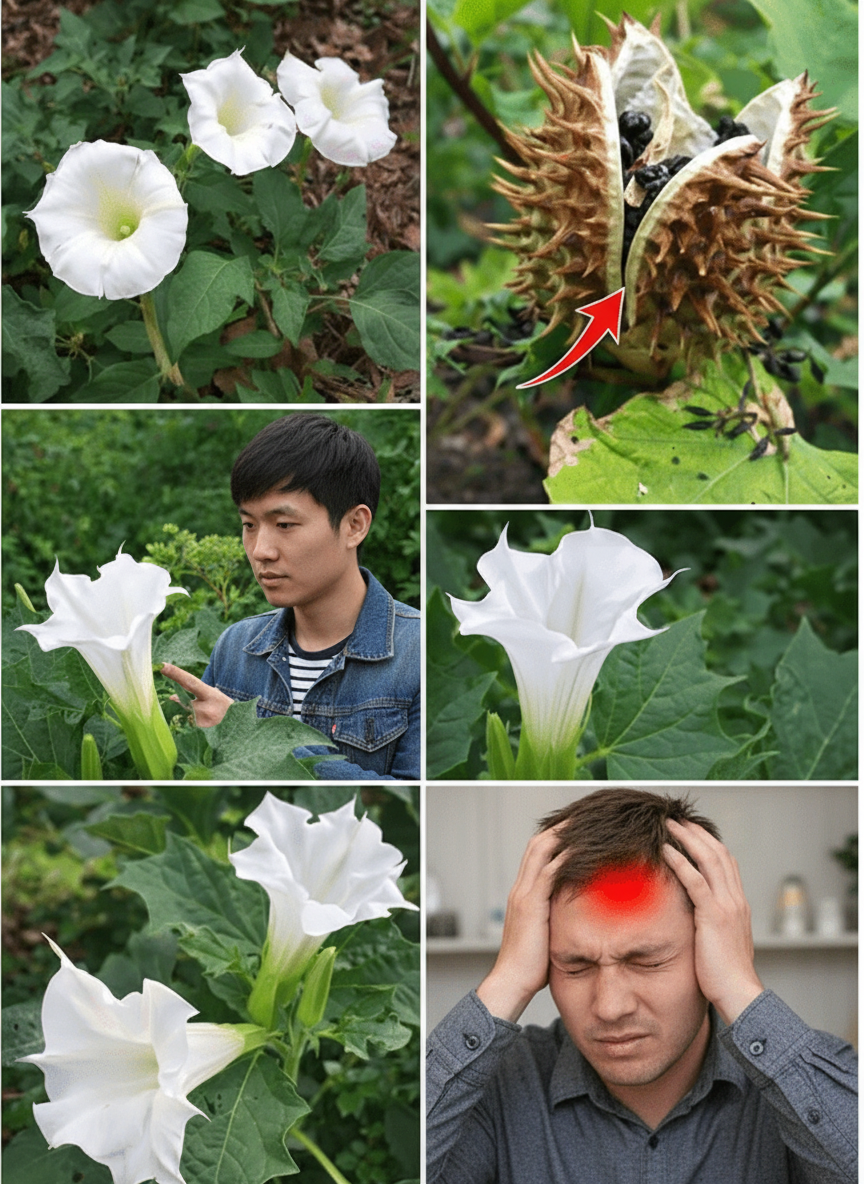
Health authorities have documented numerous incidents. While many cases involve younger individuals experimenting, unintentional exposures are not uncommon across all age groups, including families who might accidentally cook with misidentified greens or gardeners who brush against the plant. In one notable case, older family members required hospitalization after mistakenly confusing Datura leaves with edible plants in their home garden.
Here are some key ways seniors might unknowingly encounter this hazardous plant:
- Mistaking young leaves for harmless culinary greens while weeding vegetable beds.
- Brushing against foliage during yard work, allowing sap to transfer through minor skin abrasions or cuts.
- Grandchildren or pets inadvertently bringing seeds or leaves indoors after playing outside.
- Exploring wild areas for natural finds or pursuing herbal interests without proper identification knowledge.
Key Signs That Something Might Be Wrong After Exposure
Symptoms typically manifest within 30 to 60 minutes following exposure and can persist for several hours or even days. They result from the plant’s potent anticholinergic properties, which interfere with specific nerve signals. Common signs and experiences include:
- Profoundly dry mouth and an intense, unquenchable thirst.
- Blurred vision, noticeably dilated pupils, and heightened sensitivity to light.
- A rapid heartbeat or heart palpitations.
- Confusion, restlessness, or experiencing hallucinations (seeing things that aren’t there).
- Difficulty urinating or experiencing flushed, unusually warm skin.
In more severe instances, effects can escalate to agitation, high fever, or even seizures—symptoms that, in older adults, could be tragically mistaken for a stroke, an infection, or adverse medication reactions. Data from poison control centers consistently demonstrate that prompt recognition and intervention lead to significantly better outcomes. However, the challenging aspect is that many individuals do not immediately connect these alarming signs to plant exposure.
How to Spot Datura Stramonium Before Trouble Starts
Effective identification is your primary defense against accidental exposure. When in your garden or exploring natural areas, be vigilant and look for these distinguishing characteristics:
- Large, trumpet-shaped flowers, which are typically white or a pale purple hue and tend to open more prominently at dusk.
- Jagged, oval-shaped leaves that emit a distinctly foul or unpleasant odor when crushed.
- Spiky, walnut-sized seed pods that are typically green and will eventually split open to release their seeds.
”
}
“`