 By admin
 Jimsonweed (Datura Stramonium): A Hidden Garden Danger for Seniors – Identification & Safety Guide
For many seniors, gardening offers a tranquil retreat, whether cultivating vibrant flowers or simply enjoying the natural flora in their yard. However, a widespread plant known as Datura stramonium, often referred to as jimsonweed or devil’s trumpet, can quickly transform this serene pastime into a hazardous scenario if proper precautions aren’t taken. Despite its visually appealing, trumpet-shaped blooms and distinctive spiky seed pods, every part of this plant harbors potent natural compounds. These can trigger distressing and potentially severe adverse reactions, particularly concerning for older adults who might be managing existing health conditions or taking various medications. Numerous studies and reports from poison control centers underscore the frequency of accidental exposures, often stemming from inadvertent contact or misidentification during routine gardening tasks like weeding or foraging. The good news is that enhanced awareness and adopting straightforward safety practices can ensure a safe and enjoyable outdoor experience. This comprehensive guide will delve into the critical aspects of this noteworthy plant, including how to identify it, common exposure pathways, and actionable steps to safeguard yourself and your family. Stay tuned for a revealing insight into just how prevalent this plant is in our daily environments – and one simple habit that can significantly boost prevention efforts.
What Exactly Is Datura Stramonium?
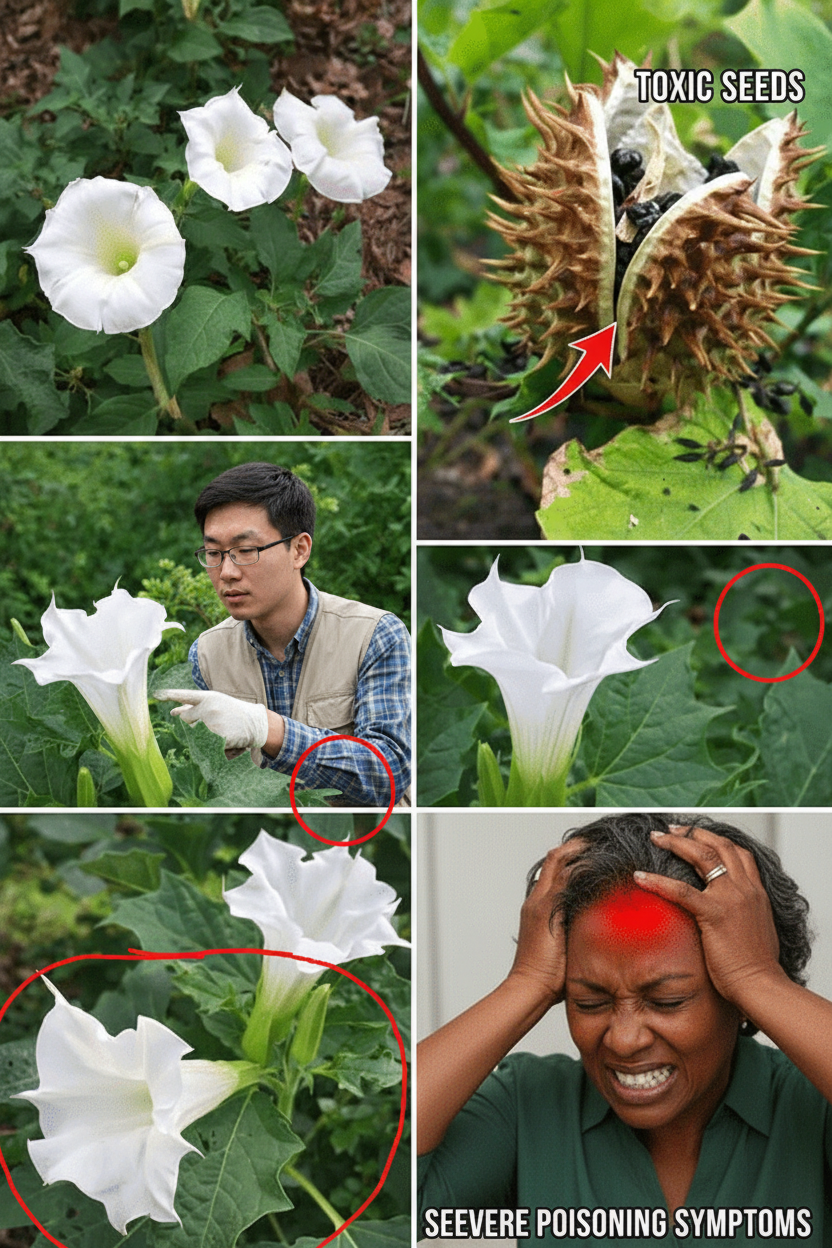
Datura stramonium, an intriguing member of the nightshade family, shares botanical lineage