 By admin
 Is Your Period Pain Normal? Early Signs of Endometriosis Every Woman Should Know
For countless women, monthly menstrual pain is a familiar, often debilitating, experience. It’s common to dismiss severe discomfort as ‘just part of being a woman,’ leading many to endure agonizing periods that disrupt daily life, force canceled plans, or require quiet suffering through work. While some discomfort is normal, persistent, severe, or escalating pain that interferes with your routine warrants closer examination. This intense pain could signal endometriosis, a chronic condition often overlooked for years. Gaining insight into its symptoms, potential origins, and management strategies is crucial for women to proactively manage their health and secure timely, effective care.
What Exactly Is Endometriosis?
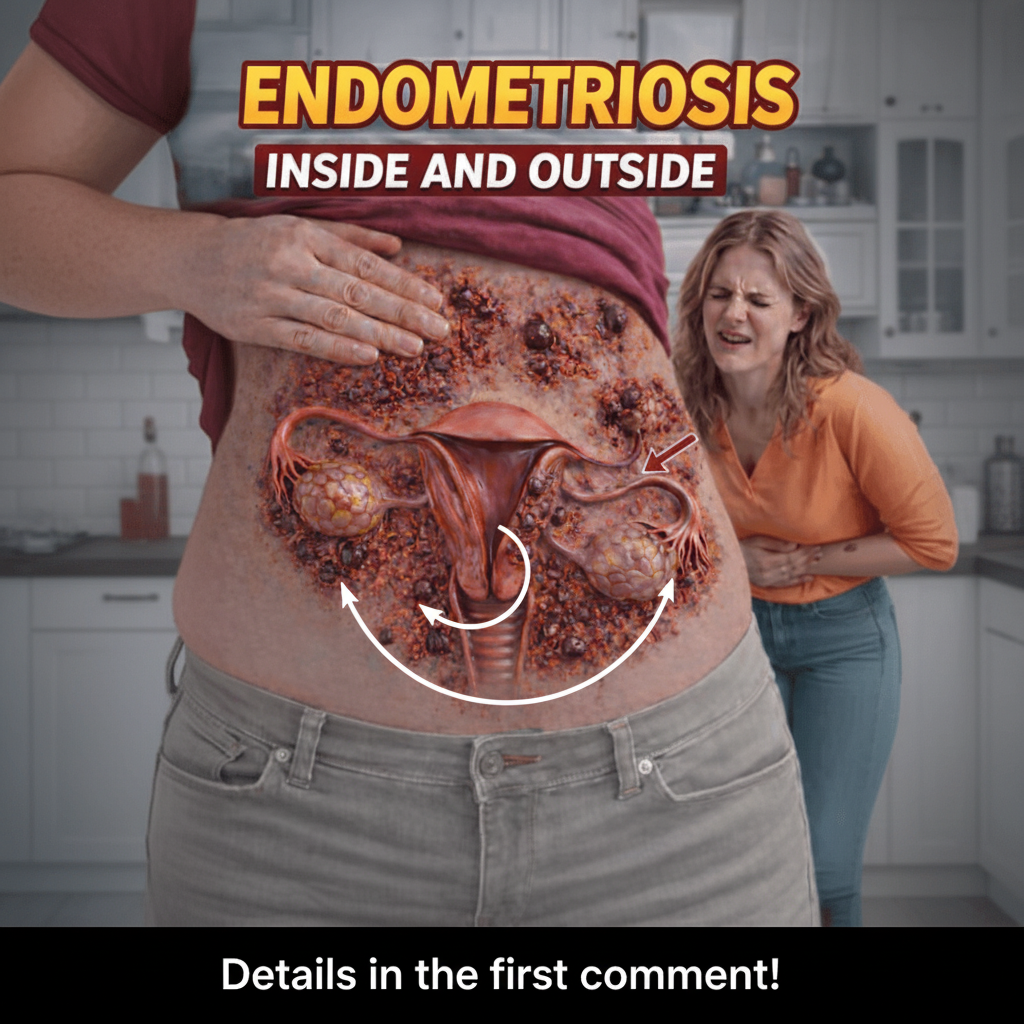
Endometriosis is a chronic condition characterized by the growth of tissue resembling the uterine lining (endometrium) outside the uterus. Typically, the endometrium thickens and sheds each month during menstruation. However, with endometriosis, this ‘endometrial-like’ tissue can develop in various locations within the pelvic cavity, including:
- The ovaries
- Fallopian tubes
- The exterior surface of the uterus
- Adjacent pelvic structures and tissues
Crucially, this misplaced tissue reacts to the hormonal fluctuations of the menstrual cycle, just like the lining inside the uterus. This can lead to significant irritation, inflammation, and the formation of painful scar tissue in the affected regions. Affecting millions globally, endometriosis frequently remains undiagnosed for extended periods, sometimes years, making widespread awareness absolutely vital for early intervention and improved outcomes.
Recognizing the Common Symptoms of Endometriosis
The presentation of endometriosis symptoms can differ dramatically from one individual to another. While some women endure intense, debilitating pain, others might experience more subtle or atypical signs. Key indicators often include:
- Dysmenorrhea (Painful Menstrual Cramps): Often described as severe, worsening period pain that isn’t relieved by over-the-counter medication.
- Chronic Pelvic Pain: Discomfort that persists outside of the menstrual cycle, felt in the lower abdomen or pelvis.
- Dyspareunia (Pain During or After Intercourse): Deep pain experienced during or following sexual activity.
- Menorrhagia (Heavy Menstrual Bleeding): Abnormally heavy or prolonged periods, potentially with blood clots.
- Menstrual Fatigue: Profound tiredness or exhaustion, particularly around the time of menstruation.
- Gastrointestinal Issues: Digestive problems such as bloating, constipation, diarrhea, or nausea, especially exacerbated during the menstrual period.
It is crucial to understand that the intensity of pain does not necessarily correlate with the extent of endometriosis. Some individuals with minimal endometrial-like tissue may suffer excruciating discomfort, whereas others with more widespread growth might report fewer or milder symptoms. If these symptoms are significantly impacting your quality of life, it is imperative to consult with a healthcare professional.
Symptom Overview: When Endometriosis Signs May Appear
| Symptom | Typical Occurrence |
|---|---|
| Persistent Pelvic Pain | Throughout the menstrual cycle or intermittently |
| Severe Period Pain (Dysmenorrhea) | Often intensifies over time and can be debilitating |
| Digestive Disturbances | Frequently around the time of menstruation |
| Overwhelming Fatigue | Especially pronounced during the menstrual cycle |
Understanding the Potential Causes of Endometriosis
While the precise etiology of endometriosis remains a subject of ongoing scientific investigation, several theories and contributing factors are widely discussed among researchers. These potential influences include:
- Retrograde Menstruation: This theory suggests that menstrual blood, containing endometrial cells, flows backward through the fallopian tubes into the pelvic cavity instead of exiting the body.
- Genetic Predisposition: A familial link is often observed, indicating that women with a mother, sister, or daughter affected by endometriosis may have an elevated risk.
- Immune System Dysfunction: Abnormalities in the immune system might prevent the body from recognizing and destroying endometrial-like tissue growing outside the uterus.
- Hormonal Imbalances: Estrogen, in particular, is known to fuel the growth of endometrial implants, suggesting hormonal factors play a significant role.
- Environmental Toxins: Some research explores the potential impact of certain environmental pollutants on the development of endometriosis.
Although a family history can increase susceptibility, it’s important to remember that endometriosis can affect any individual who experiences menstrual cycles. Current research continues to delve into the intricate interplay of hormones, inflammatory responses, and genetic markers to fully unravel the complexities of this condition.
The Diagnostic Journey for Endometriosis
Diagnosing endometriosis can often be a protracted process, primarily because its symptoms frequently overlap with those of other gynecological or gastrointestinal conditions. Healthcare providers typically initiate the diagnostic process with a comprehensive approach:
- Thorough Symptom Discussion: A detailed account of your pain, its timing, severity, and impact on daily life.
- Complete Medical History: Reviewing your personal and family health records.
- Pelvic Examination: A physical exam to check for abnormalities, tenderness, or cysts.
- Imaging Studies: Such as an ultrasound, MRI, or CT scan, which can help identify cysts or deeper tissue involvement, though they may not always detect all endometrial implants.
In certain scenarios, a definitive diagnosis may require further investigative procedures, like laparoscopy – a minimally invasive surgical procedure where a surgeon can visually identify and sometimes remove endometrial tissue. The significance of engaging in early discussions with a healthcare professional cannot be overstated, particularly when menstrual pain significantly impairs your daily functioning. Many women find immense relief simply in having their persistent symptoms acknowledged and thoroughly investigated.
Strategies for Managing Endometriosis Symptoms
Effectively managing endometriosis typically involves a multifaceted approach, integrating medical interventions with supportive lifestyle modifications. Potential avenues for relief and improved quality of life often include:
- Prescribed Pain Management: Tailored strategies from healthcare providers, ranging from NSAIDs to stronger pain relievers.
- Hormonal Therapies: Medications designed to regulate or suppress the menstrual cycle, thereby reducing the growth and activity of endometrial implants.
- Pelvic Floor Physical Therapy: Specialized exercises and techniques to alleviate pelvic pain and dysfunction.
- Stress Reduction Techniques: Practices such as mindfulness, meditation, or therapy to help cope with chronic pain and its emotional impact.
- Holistic Lifestyle Choices: Embracing balanced nutrition and consistent physical activity.
Many women discover that incorporating gentle, sustainable lifestyle adjustments can significantly enhance their comfort and overall well-being. These might encompass:
- Engaging in regular low-impact exercises, such as walking, swimming, or yoga.
- Applying warm compresses or taking warm baths to soothe abdominal pain during menstruation.
- Adopting an anti-inflammatory diet, emphasizing whole foods rich in fruits, vegetables, lean proteins, and healthy fats, while limiting processed foods and refined sugars.
It is paramount that any management plan be developed and regularly reviewed in consultation with a healthcare professional to ensure it is safe, effective, and specifically tailored to your individual health profile and needs.
Final Thoughts
Endometriosis stands as a complex and often debilitating condition impacting millions of women globally. Despite its prevalence, it frequently remains misunderstood, misdiagnosed, or even dismissed. Recognizing the early signs and advocating for thorough investigation are critical steps toward achieving a timely diagnosis and effective management. By fostering greater awareness and encouraging open dialogue with healthcare providers, we can empower women to navigate their health journey with confidence and pursue the care they deserve.