 By admin
 Introduction: Understanding Intestinal Parasites and Their Impact
Often insidious and easily misdiagnosed, intestinal parasites – commonly known as gut worms – are unwelcome guests that can wreak havoc on your digestive system and overall well-being. These microscopic or macroscopic organisms can affect individuals of all ages and backgrounds, frequently remaining undetected for extended periods due to their subtle or generalized symptoms that mimic other health conditions. This comprehensive guide aims to shed light on the most prevalent indicators of a parasitic infection within the body, empowering you to recognize the potential signs. Should you identify with any of the symptoms discussed, it serves as a crucial prompt to seek professional guidance and proactively address your digestive health.
Common Indicators of Intestinal Parasites
1. Persistent Abdominal Pain and Discomfort
A frequent and telling symptom of intestinal parasites is chronic abdominal discomfort. This can manifest as persistent cramping, noticeable bloating, and a general sensation of fullness or unease in the gut. These unwelcome inhabitants irritate the delicate lining of the digestive tract, often intensifying discomfort, particularly following meals.
2. Unexplained Diarrhea or Constipation
Disruptions to normal bowel movements are a hallmark of parasitic activity. You might experience recurring bouts of diarrhea, chronic constipation, or even an alternating pattern of both. Such irregularities signify that your body is struggling to efficiently process nutrients and eliminate waste, a direct consequence of parasitic interference.
3. Unintentional Weight Loss
If you’re noticing a significant drop in weight without any changes to your diet or exercise routine, intestinal parasites could be the silent culprit. These organisms compete with your body for vital nutrients, hindering proper absorption and leading to an unexplained and concerning decline in body mass. This is particularly alarming if your caloric intake remains stable.
4. Chronic Fatigue and Weakness
Feeling perpetually drained, weak, and utterly devoid of energy, even after adequate rest, is a common complaint among those with parasitic infections. Parasites essentially hijack your body’s nutritional resources, depleting essential vitamins and minerals. This constant nutrient drain forces your immune system into overdrive, contributing to persistent fatigue as it battles the invaders.
5. Nausea or Vomiting
Frequent bouts of nausea or unexplained vomiting, particularly occurring shortly after meals, can be a tell-tale sign of an active intestinal parasite infestation. Individuals may also report a general aversion to food or a diminished appetite as a result of the digestive distress caused by these invaders.
6. Skin Irritations: Itching and Rashes
Beyond digestive issues, certain intestinal parasites, such as pinworms, can cause localized itching, particularly around the anal region. This irritation can sometimes extend to other areas of the body, presenting as unexplained rashes, hives, or other dermatological anomalies, indicating a systemic reaction to the parasitic presence.
7. Visible Evidence in Stool
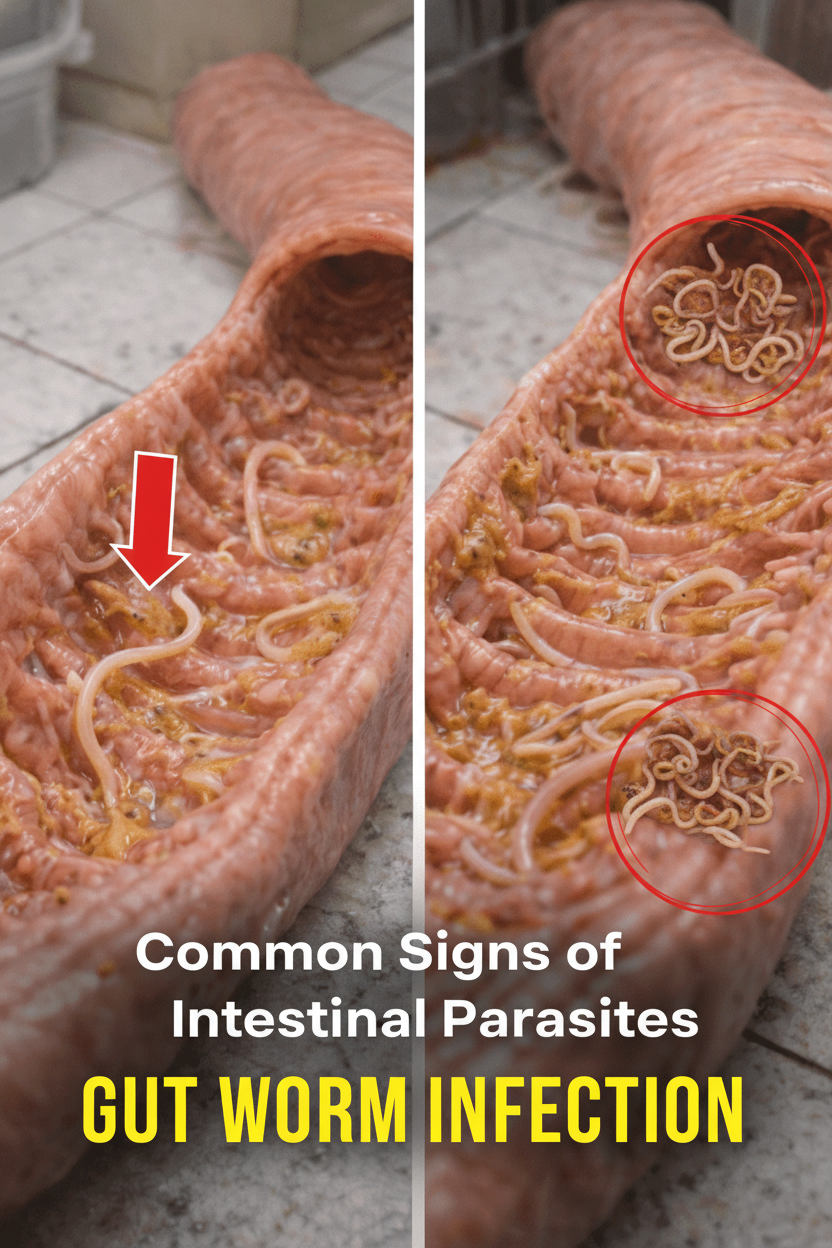
While less common, the most unequivocal proof of a parasitic infection is the direct observation of worms or their segments in your stool. These may appear as small, white threads (like pinworms) or larger, ribbon-like segments (characteristic of tapeworms). Seeing such evidence necessitates immediate medical consultation.
8. Intense Sugar Cravings and Hunger Pangs
A sudden, overwhelming desire for sugary foods or an inexplicable increase in hunger can be a subtle but significant sign. Many parasites thrive on sugar, and their presence can manipulate your body’s cravings, driving you towards carbohydrate-rich and processed foods to fuel their growth. This often manifests as persistent hunger, even after meals.
9. Dark Circles or Puffiness Under Eyes
The appearance of dark circles or puffiness beneath the eyes, often associated with lack of sleep, can also be an unexpected indicator of intestinal parasites. This symptom is thought to arise from the accumulation of toxins released by the parasites within the body, or as a visible manifestation of your immune system’s ongoing struggle against the infection.
10. Fluctuations in Appetite
Significant shifts in appetite are frequently observed in individuals battling intestinal parasites. Some may find themselves constantly hungry, experiencing an unquenchable desire for food, while others may lose all interest in eating, leading to reduced intake. These appetite changes are often linked to the body’s response to the metabolic byproducts and toxins released by the parasitic organisms.
Taking Action: What to Do If You Suspect Intestinal Parasites
Should you recognize several of these symptoms and suspect the presence of intestinal parasites, prioritizing medical attention is paramount. A qualified healthcare professional can conduct thorough diagnostic procedures, including analyzing stool samples or performing blood tests, to accurately identify the specific type of parasite and confirm the infection. Following diagnosis, they will be able to prescribe the most effective antiparasitic treatment plan.
Effective Treatment Approaches:
-
Prescription Antiparasitic Medications: These pharmaceutical agents are specifically formulated to target and eradicate parasitic organisms within the intestinal tract, effectively clearing the infection and alleviating symptoms.
-
Natural and Herbal Remedies: While certain natural substances like garlic, papaya seeds, or pumpkin seeds are often lauded for their potential antiparasitic qualities, it is absolutely crucial to consult with your doctor before incorporating any home remedies into your treatment regimen. Self-treating without professional guidance can be ineffective or even harmful.
Conclusion: Prioritizing Your Digestive Health
Ultimately, intestinal parasites are a more widespread concern than generally perceived,