 By admin
 Envision a daily struggle for breath, where even a short flight of stairs leaves you gasping, or a relentless dry cough persists despite every effort to alleviate it. This challenging existence is the reality for individuals suffering from bronchiolitis obliterans, more commonly known as “popcorn lung.” This severe, albeit uncommon, pulmonary disorder leads to irreversible scarring and constriction of the lung’s smallest airways, transforming routine tasks into formidable battles. What initially emerged as an occupational hazard within microwave popcorn production facilities has now become a pressing concern amidst the surging popularity of flavored vaping products. Grasping the underlying risks and scientific evidence is paramount for safeguarding your respiratory well-being—and the full narrative often extends beyond sensational headlines.
Decoding Popcorn Lung: What Is Bronchiolitis Obliterans?
Bronchiolitis obliterans, widely recognized as “popcorn lung,” is a debilitating condition characterized by inflammation and subsequent scarring of the minuscule air passages within your lungs, known as bronchioles. This progressive scarring gradually thickens and obstructs these vital pathways, severely impeding the effortless flow of air during respiration. The evocative moniker “popcorn lung” originated from its initial prominent identification in the early 2000s. During this period, employees in microwave popcorn production facilities began exhibiting severe respiratory distress due to prolonged inhalation of significant concentrations of diacetyl. This chemical, responsible for the distinctive rich, buttery taste in microwave popcorn, can inflict permanent damage to lung tissue when inhaled in substantial quantities over time. However, exposure isn’t limited to this source; other inhaled irritants, specific infections, and even certain therapeutic interventions have been associated with comparable, though rare, alterations in lung structure.
The Vaping Connection: Diacetyl and E-Liquids
The emergence of vaping as a potential risk factor is intricately linked to diacetyl and analogous flavoring agents frequently present in certain e-liquids, particularly those designed to replicate creamy, buttery, or custard profiles. When these e-liquids are vaporized and subsequently inhaled, these chemical compounds penetrate deep into the pulmonary system. This inhalation route bypasses the digestive tract, where these substances might be processed more safely if ingested in food. Extensive research, including findings from reputable bodies like the American Lung Association and various medical journal publications, has consistently identified diacetyl in numerous flavored e-cigarette products. Although some manufacturers have responded to initial concerns by reducing or eliminating diacetyl, related compounds such as acetoin or 2,3-pentanedione are often employed as substitutes, carrying similar potential risks.
It’s crucial to contextualize this risk: leading health organizations, including reviews conducted by Cancer Research UK, indicate that definitively confirmed cases of popcorn lung directly attributable to vaping remain infrequent. There hasn’t been a widespread outbreak, unlike the severe occupational exposures observed in industrial settings. Nevertheless, isolated yet documented reports, particularly among younger individuals, have ignited serious concerns regarding the long-term health implications, especially with intensive or extended use of flavored vaping products. The distinct manner in which these chemicals interact with the body when inhaled, as opposed to ingested, fundamentally alters their impact, prompting continuous scientific inquiry into how vaping aerosols might contribute to chronic lung irritation and damage over time.
Identifying Popcorn Lung Symptoms: Key Indicators
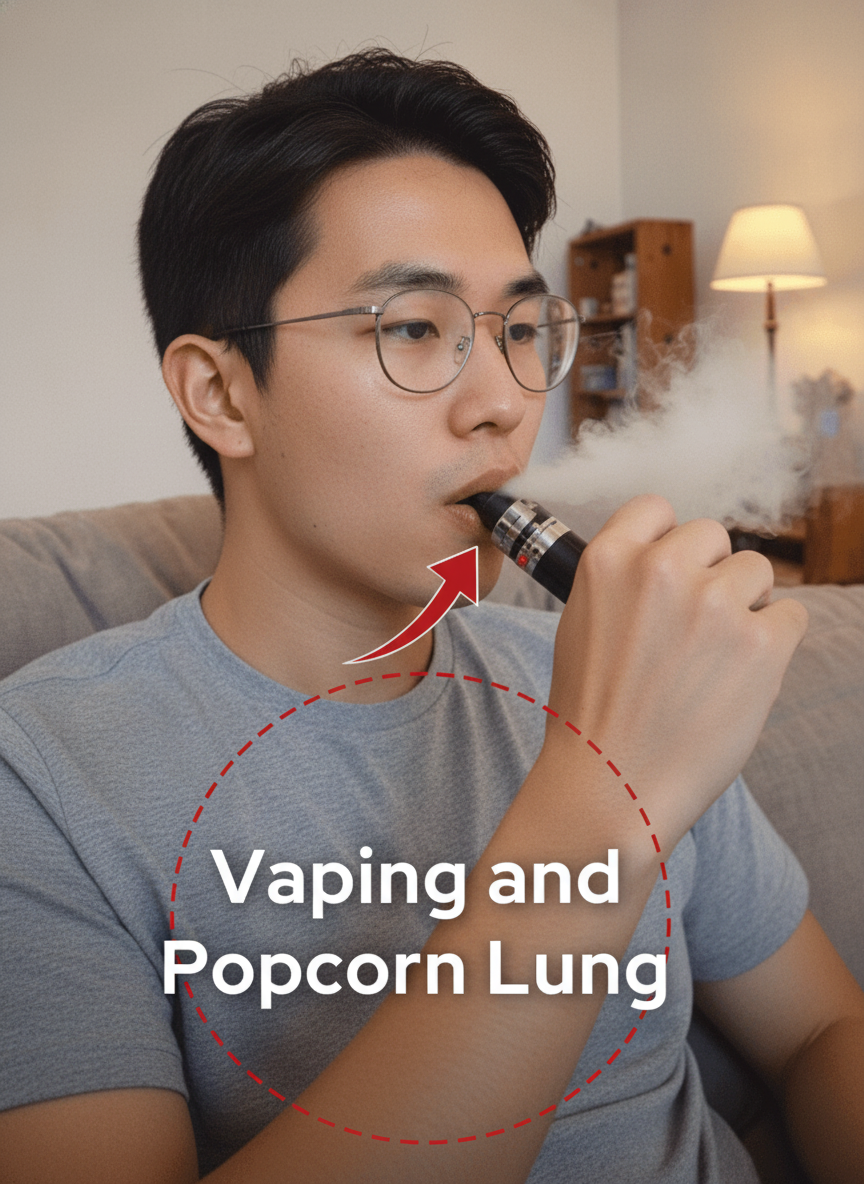
The manifestation of popcorn lung symptoms typically occurs insidiously, often materializing weeks or even months following initial exposure. Given their resemblance to other common respiratory ailments, early recognition is absolutely vital. The prevalent indicators to observe include:
- A chronic, unremitting dry cough
- Breathlessness, particularly exacerbated by physical exertion
- Audible wheezing or labored breathing sounds
- Persistent fatigue coupled with a diminished capacity for exercise
- A sensation of tightness or constriction in the chest
While these symptoms are not exclusive to bronchiolitis obliterans and can arise from numerous other conditions, their persistence or escalation warrants prompt consultation with a medical professional for accurate diagnosis and guidance.
Who Is At Risk? Understanding Vulnerability to Popcorn Lung
Several factors can elevate an individual’s susceptibility to developing bronchiolitis obliterans:
- Occupational Exposure: Direct and prolonged contact with specific flavoring chemicals, commonly found in food manufacturing environments.
- Inhalation of Toxins: Exposure to harmful fumes or gases.
- Respiratory Infections: Certain types of severe lung infections.
- Flavored Vaping Products: Regular use of e-cigarettes containing diacetyl or chemically similar compounds.
- Underlying Health Issues: Individuals with pre-existing pulmonary conditions or autoimmune disorders may be more vulnerable.
- Adolescents and Young Adults: This demographic, especially those experimenting with vaping, faces elevated risks due to their still-developing respiratory systems and the often higher concentrations of flavorings in commonly used devices.
Safeguarding Your Lungs: Effective Prevention Strategies
Fortunately, proactive measures can significantly mitigate the potential risks associated with popcorn lung. You don’t need to wait for symptoms to manifest to take action. Consider these practical, everyday steps to protect your respiratory health:
- Cease or Avoid Flavored Vaping: For optimal lung health, the most secure approach is to abstain entirely from inhaling aerosolized chemicals. If you do use e-cigarettes, choosing unflavored options is a safer alternative, though complete cessation is preferable.
- Scrutinize Product Labels: Always review the ingredient lists of e-liquids and vaping products. Actively seek out products that explicitly state they are free from diacetyl, acetoin, and 2,3-pentanedione. Be aware that labeling can sometimes be incomplete or misleading.
- Understand Occupational Hazards: If your profession involves exposure to industrial chemicals or strong flavoring agents, ensure proper ventilation, use appropriate personal protective equipment (PPE), and adhere strictly to safety protocols.
- Prioritize Respiratory Health: Address any existing lung conditions promptly and avoid environments with poor air quality, pollutants, or known irritants.
- Seek Medical Advice: If you experience persistent respiratory symptoms, especially after potential exposure to risk factors, consult a healthcare provider without delay. Early diagnosis and intervention are crucial.