 By admin
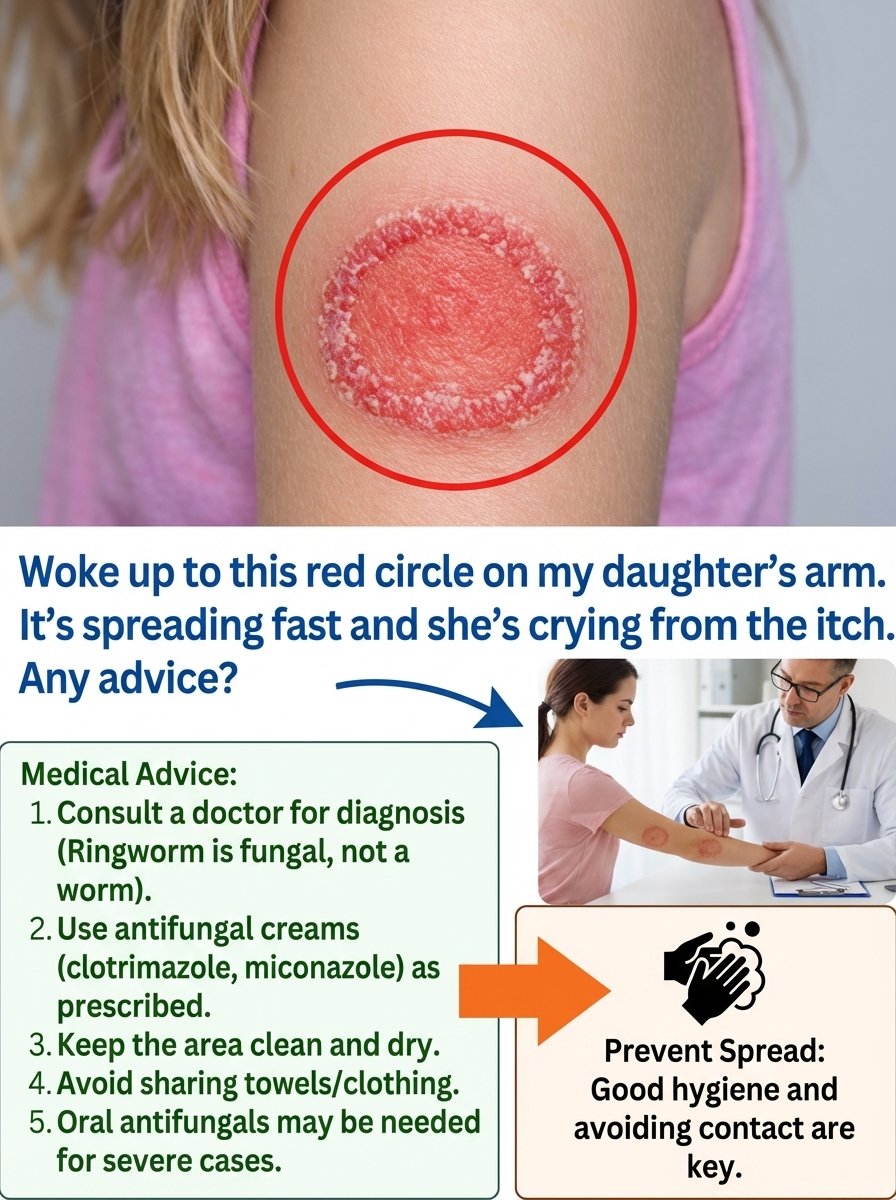
Imagine waking up to find a rapidly spreading, angry red circle on your child’s arm. Your heart races – what is it? Is it serious? Every parent has faced that unsettling moment, frantically searching for answers online as their little one cries from an unbearable itch. While some skin irritations are minor and easily resolved, others demand immediate attention. Knowing the potential causes, critical warning signs, and decisive next steps can empower you to act swiftly and keep your child safe.
What Does a Red Circular Rash Usually Mean?
A red circular or distinctive ring-shaped rash is a common sight in pediatric dermatology. These patterns often point to a few frequent culprits, including:
-
Fungal infections (commonly known as ringworm) – Don’t let the name fool you; there are no actual worms involved. This is a very common skin fungus that typically manifests as a round, reddish, intensely itchy patch with a clearer area in the center.
-
Allergic or irritant contact dermatitis – This type of rash can erupt when your child’s skin comes into contact with an irritating substance, such as specific plants (like poison ivy), certain soaps, detergents, or chemicals.
-
Insect bites or reactions – Various insect bites, especially from mosquitoes or spiders, can sometimes lead to circular, expanding red areas that cause significant itching and discomfort.
-
Other underlying medical conditions – In less common scenarios, a circular rash might signal a more complex infection or an immune system reaction, which absolutely requires a thorough medical evaluation.
Given that numerous conditions can present with similar visual characteristics, it’s crucial not to rely solely on appearance for a definitive diagnosis.
Common Symptoms Parents Notice
When a red circular rash appears on a child’s arm, it can be accompanied by a range of symptoms, including:
-
Intense itching (often the primary distress signal that causes children to cry or scratch persistently)
-
Noticeable redness and swelling around the affected area
-
A distinct ring or target-like shape to the lesion
-
Dry, flaky, or slightly scaly skin, particularly along the edges of the rash
-
Gradual spreading of the rash over several hours or days
If you observe the rash expanding rapidly, causing severe pain, or if your child appears generally unwell or feverish, these are critical indicators to seek immediate medical advice.
Why You Should Be Careful With Home Treatments
It’s completely natural for parents to reach for readily available creams or home remedies at the first sign of a rash. However, this well-intentioned approach can sometimes exacerbate the problem:
-
Certain over-the-counter creams or natural remedies can actually further irritate sensitive skin.
-
Applying an incorrect product may mask the true symptoms, making it harder for a doctor to diagnose and delaying the proper course of treatment.
-
Constant scratching can break the skin barrier, significantly increasing the risk of secondary bacterial infections.
Until you have a clear understanding of what’s causing the rash, your best approach is to keep the affected area clean, dry, and protected from any scratching whenever possible.
What You Can Do Right Now
While awaiting professional medical advice, these safe, simple steps can provide comfort and prevent worsening of the rash:
-
Gently cleanse the area using only lukewarm water and a very mild, unscented soap.
-
Pat the skin dry carefully with a soft towel; avoid any rubbing.
-
Prevent your child from scratching if at all possible—keeping their nails short can be very helpful.
-
Refrain from applying strong creams or unproven home remedies without first consulting a medical professional.
-
Observe how rapidly it changes—consider taking a photo to accurately track its size, color, and texture over time.
While these actions won’t address the underlying cause, they can significantly reduce irritation and ward off potential complications until a doctor can properly assess the situation.
When to See a Doctor
It’s important to seek prompt medical advice if you notice any of the following concerning signs:
-
The rash is spreading at an alarming rate
-
The itching is exceptionally severe or shows no signs of improvement
-
The skin around the rash appears infected (e.g., oozing fluid, forming crusts, or becoming extremely painful)
-
Your child develops a fever, displays unusual tiredness, or generally feels unwell
-
The rash does not show any improvement after a brief period of observation
A qualified healthcare professional can meticulously examine the rash, accurately determine whether it stems from a fungal infection, an allergic reaction, or another condition, and then prescribe the most effective and appropriate treatment plan.
Why Early Treatment Matters
Many circular rashes, particularly those caused by fungal infections, respond remarkably well to correct and timely treatment. However, if these conditions are ignored or treated improperly, they can lead to several undesirable outcomes:
-
Spread to other areas of the body, making the condition more widespread and challenging to manage.
-
Transmit to other children or family members, especially in communal living spaces or schools.
-
Become more severely irritated or develop secondary bacterial infections due to scratching or improper care.
-
Require a significantly longer time to heal, prolonging discomfort for your child.
Securing the correct diagnosis early on typically means faster relief for your child and considerably less worry and stress for you.
Final Thoughts
Discovering a red, itchy circle on your child’s arm is undoubtedly unsettling, particularly when it appears to be spreading quickly. While it often turns out to be a common and easily treatable issue, the safest and most responsible course of action is always to have it thoroughly examined by a healthcare professional. In the interim, focus on keeping the area clean, discouraging scratching, and absolutely avoid experimenting with strong or unprescribed treatments.
Your child’s comfort—and their swift return to health—should always be your ultimate priority.