 By admin
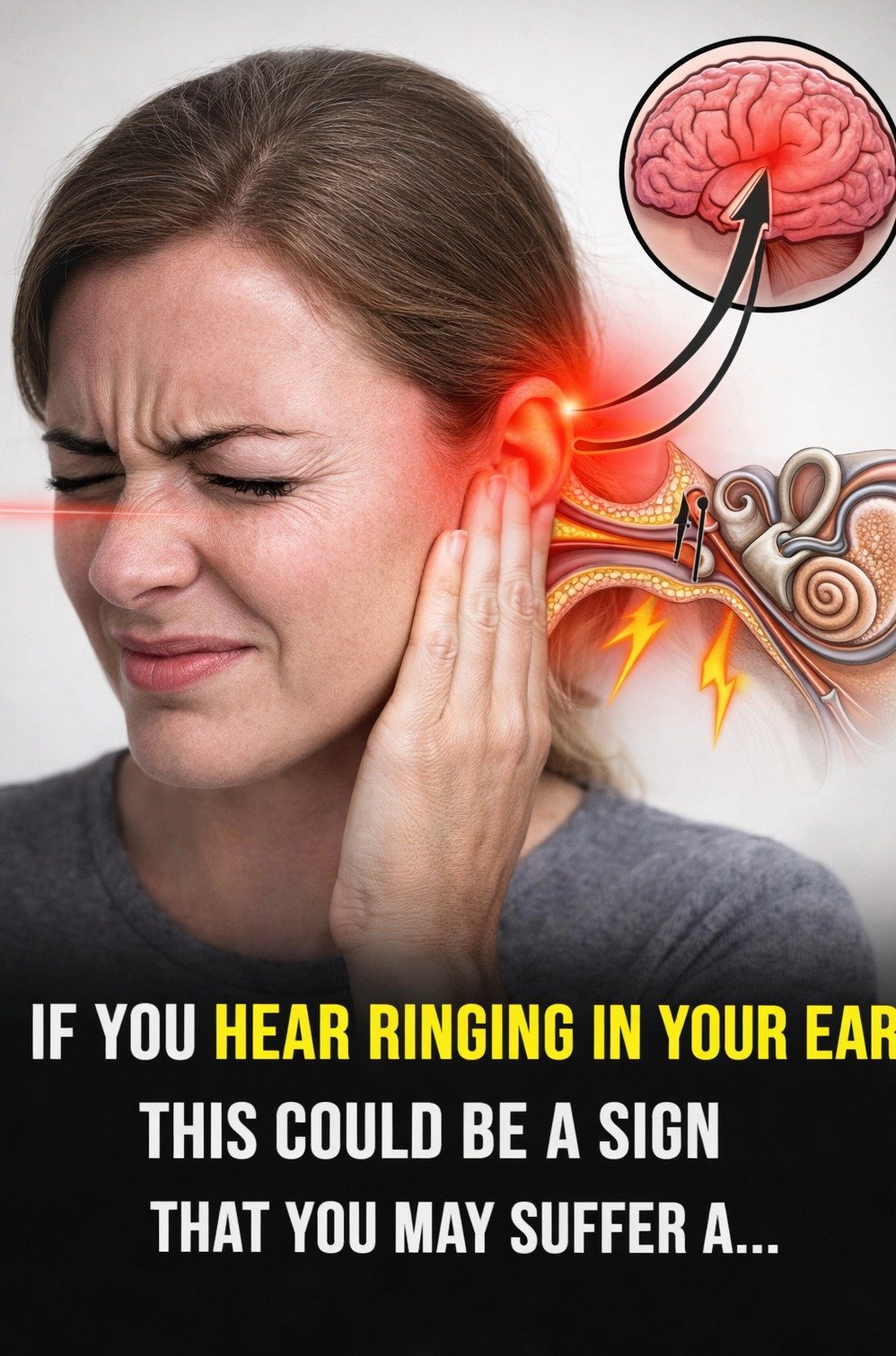
 Have you ever experienced that persistent, phantom ringing, buzzing, or hissing sound in your ears, seemingly out of nowhere? You’re not alone, and it’s far more than just an annoyance. While not a disease in itself, this phenomenon, known as tinnitus, is almost always a clear signal from your body—a symptom of an underlying issue that demands your attention. Understanding these root causes is the absolutely vital first step towards effectively managing and significantly reducing its disruptive impact on your life.
What Exactly Is Tinnitus?
Tinnitus refers to the sensation of hearing a sound when no external noise is actually present. Individuals experience this phenomenon in a variety of ways, commonly describing it as:
- Ringing
- Buzzing
- Hissing
- Clicking
- Whistling
This internal sound can manifest in either one or both ears, and its duration can range from a fleeting, temporary occurrence to a persistent, chronic condition.
The Surprising Triggers: Common Causes of Ringing in Your Ears
1. The Silent Threat: Exposure to Loud Noise
Consistently subjecting your ears to excessively loud environments—whether it’s the roar of a concert, the drone of heavy machinery, or prolonged use of headphones at maximum volume—can inflict irreversible damage on the delicate structures of your inner ear, often leading to the onset of tinnitus.
2. Simple Blockage: Earwax Buildup
An accumulation of excessive earwax can physically obstruct the ear canal, impairing your natural hearing ability and frequently acting as a direct trigger for those bothersome ringing sensations.
3. The March of Time: Age-Related Hearing Loss
As individuals advance in age, the intricate and fragile components within the inner ear naturally begin to degrade. This age-related deterioration is a primary reason why tinnitus becomes a significantly more prevalent concern among older adults.
4. The Body’s Flow: Blood Pressure and Circulatory Issues
Conditions like elevated blood pressure or compromised circulation can profoundly impact the blood flow to the regions surrounding your ears, manifesting as pulsating rhythms or a constant, internal sound.
5. Mind-Body Connection: Stress and Anxiety
The profound effects of emotional stress and heightened anxiety are well-documented; they can not only exacerbate existing tinnitus symptoms but also serve as a direct catalyst, initiating the condition in susceptible individuals.
6. Unexpected Culprits: Medications
A range of pharmaceutical drugs, including high dosages of aspirin, certain antibiotics, and diuretics, are known to have ototoxic properties. These can either induce tinnitus as a new side effect or intensify pre-existing symptoms.
The Hidden Dangers: Why You Absolutely CANNOT Ignore That Ringing
Dismissing persistent tinnitus can have far-reaching and detrimental consequences, potentially leading to:
- Severely disrupted sleep patterns and poor sleep quality
- Escalated levels of stress, anxiety, and heightened irritability
- Significant challenges with focus and concentration
- A noticeable decline in your overall enjoyment and quality of life
Addressing tinnitus proactively and at its earliest stages is crucial for preventing symptoms from intensifying and becoming a more severe, deeply entrenched, or persistent burden.
Your Action Plan: Practical Solutions to Finally Quiet the Ringing
1. Safeguard Your Hearing
- Always use protective earplugs when in environments with high noise levels, such as concerts or construction sites.
- Ensure your headphone volume is always set at a comfortable and safe listening level to prevent damage.
2. Practice Diligent Ear Hygiene
- Refrain from inserting foreign objects, like cotton swabs, deep into your ears.
- Clean your ears gently on the exterior, and if you suspect significant earwax buildup, always consult a healthcare professional for safe removal.
3. Effectively Manage Blood Pressure
- Adopt a well-balanced and nutritious diet.
- Incorporate regular physical exercise into your routine.
- Consciously limit your intake of sodium.
4. Actively Reduce Stress
- Integrate relaxation techniques like mindfulness meditation or deep breathing exercises into your daily life.
- Engage in calming and enjoyable activities such as yoga, leisurely walks, or reading.
5. Explore Sound Therapy Options
Utilizing gentle background sounds, such as white noise generators, recordings of nature, or soft, ambient music, can effectively mask the perception of tinnitus and significantly enhance your ability to sleep soundly.
6. Critically Review Your Medications
If you have any suspicion that a current medication might be contributing to or worsening your tinnitus, it is imperative to consult your doctor immediately to discuss potential alternatives or adjustments.
Exploring Natural Support Options for Tinnitus Relief
For some individuals, incorporating natural approaches can offer a degree of relief from tinnitus symptoms. These may include:
- Ginkgo biloba – an herb often utilized for its potential to enhance blood circulation, which might benefit ear health.
- Magnesium – a vital mineral known for its role in supporting healthy nerve function throughout the body.
- Herbal teas – certain blends can help foster a sense of calm and promote overall relaxation, which may indirectly alleviate stress-related tinnitus.
⚠️ Important Note: While natural remedies can be supportive, they are not intended to be a substitute for professional medical treatment. Always, without exception, consult a qualified healthcare professional before initiating any new supplement regimen or natural therapy.
Don’t Wait: When It’s Crucial to See a Doctor About Your Tinnitus
It is vital to seek prompt medical attention and professional advice if you experience any of the following concerning symptoms:
- The onset of the ringing sensation is sudden or exceptionally severe.
- The tinnitus exclusively affects only one ear.
- The ringing is accompanied by other alarming symptoms such as persistent dizziness or a noticeable loss of hearing.
- The tinnitus symptoms endure for a prolonged period, specifically more than a few days.
Consulting an ear, nose, and throat (ENT) specialist or audiologist can provide clarity, as they are best equipped to accurately diagnose the root causes and recommend the most effective, targeted treatment strategies for your specific condition.
Your Path to Silence: Final Thoughts on Managing Tinnitus
Living with tinnitus can undoubtedly be a profoundly frustrating and disruptive experience. However, it’s crucial to understand that with the correct strategy and a proactive approach, its impact is often highly manageable. By diligently working to identify the specific underlying cause, implementing thoughtful lifestyle modifications, and not hesitating to seek expert professional medical advice whenever needed, you possess the power to dramatically lessen its intrusion into your daily existence.
Remember, early intervention and taking decisive action are not just beneficial, they are absolutely essential for safeguarding your precious hearing health and ensuring your long-term overall well-being.