 By admin
 Do you dread that first step out of bed, a familiar ache gripping your knee? What begins as a subtle discomfort can quickly escalate, transforming daily routines into painful challenges. Simple actions like climbing stairs, enjoying a leisurely stroll, or even rising from a chair can become monumental tasks. Knee osteoarthritis (OA) is a prevalent condition impacting millions globally, turning the joy of movement into a source of chronic pain and limitation.
The encouraging news is that gaining a deeper understanding of this complex condition and implementing targeted, consistent adjustments can significantly alleviate discomfort and empower you to maintain an active lifestyle for longer than you might imagine. Stay with us until the end, as we reveal a surprisingly effective, yet often overlooked, daily habit that many individuals find invaluable for managing their knee aches.
What Exactly Is Knee Osteoarthritis?
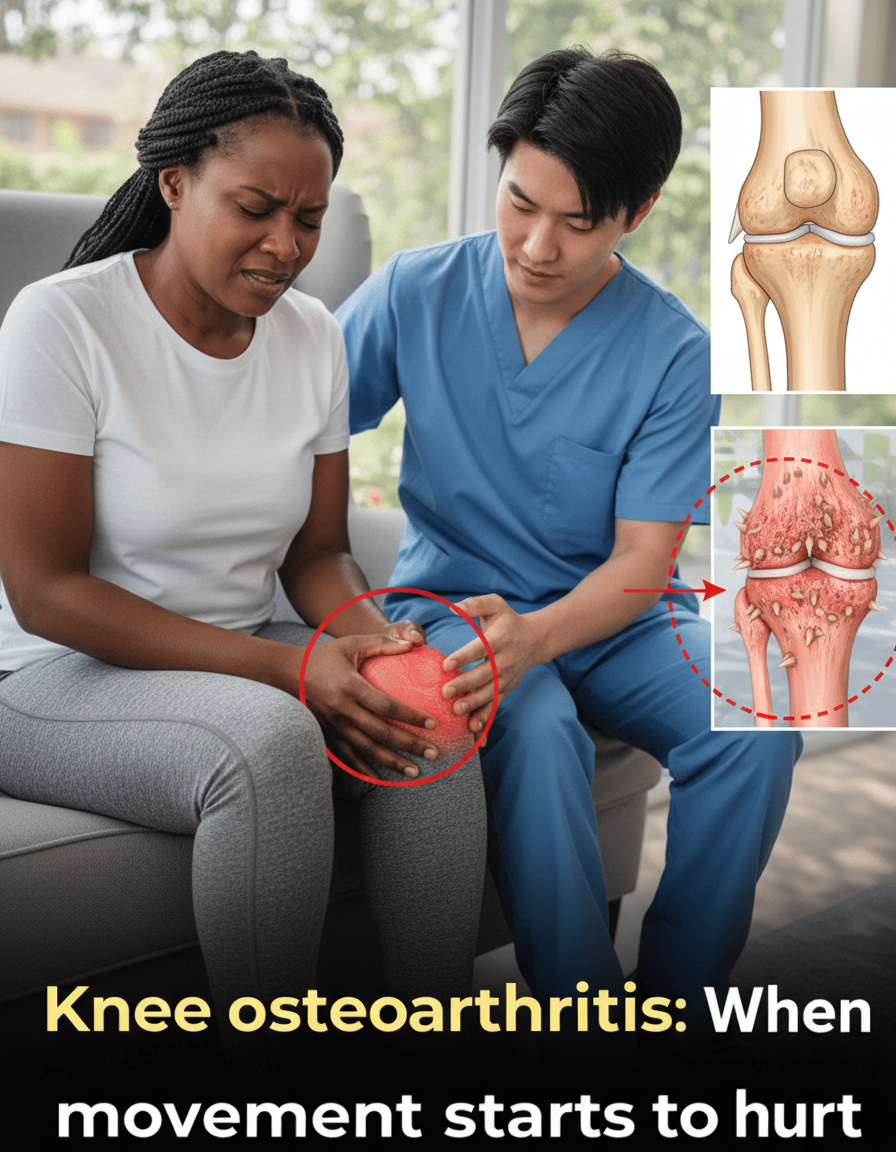
Knee osteoarthritis, commonly referred to as knee OA, is a progressive joint disorder characterized by the gradual degradation of the protective cartilage within the knee joint. This vital cartilage serves as a shock absorber, cushioning the ends of your bones. As it erodes, the bones can begin to rub against each other, resulting in pain, stiffness, and localized swelling. While frequently labeled “wear and tear” arthritis, contemporary research, including insights from reputable institutions like the Mayo Clinic, emphasizes that OA is a multifaceted condition influenced by a combination of genetic, mechanical, and biological factors, rather than simply aging.
The hallmark of knee OA is pain that intensifies with movement and typically subsides with rest—a sensation often described as “every step hurts.” It’s crucial to understand that while the structural changes in the joint are irreversible, the symptoms are highly manageable. Millions successfully implement strategies to alleviate discomfort and continue engaging in their favorite activities.
Beyond Age: Less Obvious Factors Contributing to Knee Osteoarthritis
While advancing age is a widely recognized risk factor for knee osteoarthritis, numerous other, less apparent elements can significantly accelerate its progression or exacerbate symptoms.
Excess Body Weight and Increased Joint Load
The impact of carrying surplus weight on your knees cannot be overstated. With each step, the force exerted on your knee joints is amplified multiple times your actual body weight. This persistent, excessive load places immense strain on the knee cartilage, substantially hastening its degradation and contributing to osteoarthritis development.
Lingering Effects of Previous Injuries
A history of knee trauma—be it a past sports injury, a fall, or even a seemingly minor incident—can subtly compromise joint mechanics or directly damage the cartilage. This “silent” trauma often lays the groundwork for osteoarthritis to manifest years, or even decades, later.
Chronic Repetitive Strain and Occupational Hazards
Certain occupations or daily activities that demand repeated kneeling, squatting, or heavy lifting can subject the knee joint to decades of overuse and stress. Furthermore, participation in high-impact sports during youth might also contribute to long-term joint vulnerability and the earlier onset of OA.
Genetic Predisposition and Family History
Your genetic makeup plays a significant role. If close family members have experienced joint problems or osteoarthritis, you may have inherited predispositions that make your cartilage inherently more susceptible to wear and tear.
Muscular Imbalances Surrounding the Knee
The stability of your knee joint relies heavily on the strength and balance of surrounding muscles. Weak quadriceps (thigh muscles) or tight hamstrings can disrupt proper joint alignment, leading to uneven stress distribution across specific areas of the knee. It’s important to recognize that these factors rarely act in isolation; they often converge to create a “perfect storm,” leading to painful movement and the earlier manifestation of knee OA symptoms.
Spotting the Early Warning Signs of Knee Osteoarthritis
Proactive recognition of initial symptoms can be instrumental in managing knee OA effectively. Be vigilant for these common indicators:
- Morning Stiffness: A feeling of stiffness in the knee upon waking or after extended periods of sitting, which typically lessens after a few minutes of movement.
- Mild Swelling: Noticeable, localized swelling around the knee joint, particularly after physical activity or prolonged use.
- Audible Sensations: Experiencing a grinding, clicking, or crunching sound (crepitus) or sensation when bending or straightening the knee.
- Intermittent Pain: Pain that fluctuates in intensity and frequency, often worsening with prolonged standing, walking, or strenuous activity, and improving with rest.
Should any of these symptoms resonate with your experience, it’s crucial to address them promptly. Early intervention and lifestyle adjustments can significantly contribute to maintaining joint health and preventing further deterioration.
Empowering Your Knees: Practical Daily Strategies for Comfort and Mobility
Embracing proactive lifestyle changes and gentle, evidence-based strategies can be profoundly beneficial for managing knee osteoarthritis. Drawing insights from reputable sources like the Arthritis Foundation and Cleveland Clinic, these approaches are designed to mitigate discomfort and preserve vital joint mobility.
1. Embrace Joint-Friendly Physical Activity
Consistent engagement in low-impact exercises is paramount for maintaining joint lubrication, enhancing flexibility, and strengthening the muscles that support your knees. Consider incorporating the following activities into your routine:
- Walking: Opt for flat, even surfaces and ensure you wear well-cushioned, supportive footwear.
- Aquatic Exercises: Swimming or water aerobics are excellent choices, as the buoyancy of water significantly reduces stress on your knee joints.
- Cycling: Both stationary and outdoor cycling offer an effective way to build leg muscle strength without the high impact associated with other forms of exercise.
- Mind-Body Practices: Gentle yoga or Tai Chi can improve balance, flexibility, and overall body awareness, contributing to better joint health.
Strive for 20-30 minutes of activity on most days of the week. Remember to begin gradually and progressively increase intensity and duration as your body adapts.
2. Prioritize Healthy Weight Management (Every Pound Counts)
Achieving and maintaining a healthy weight is one of the most impactful steps you can take to alleviate knee pain. Even a modest reduction in body weight can dramatically decrease the load and stress on your knee joints. Research consistently demonstrates that for every 10 pounds lost, the pressure on your knees can be reduced by a substantial margin during everyday activities. Integrate a balanced, nutrient-rich diet—emphasizing fresh vegetables, lean proteins, and whole grains—with your joint-friendly exercise regimen.