 By admin
 Instant Relief from Toothache: 10 Quick Home Remedies to Alleviate Discomfort
A sudden, sharp toothache can derail your entire day, transforming routine tasks like eating, speaking, or concentrating into painful challenges. This intense discomfort often signals underlying issues such as nerve irritation, gum inflammation, or lodged food particles. While you await a professional dental appointment, finding immediate, temporary relief becomes a top priority. Many individuals turn to readily available household items and simple techniques to manage the pain.
Leading health authorities, including WebMD, Mayo Clinic, and Healthline, acknowledge the efficacy of certain gentle methods for providing short-term comfort. These approaches typically work by reducing swelling or offering a localized numbing sensation. But with so many options, which home remedies for toothache relief are truly effective and fast-acting?
Understanding Toothache Intensity and the Need for Professional Care
The intense pain associated with a toothache arises when the sensitive nerves within a tooth or its surrounding gum tissue become irritated. Common culprits include tooth decay, trapped food particles, or various forms of inflammation. These powerful pain signals can severely disrupt your daily life, making everything from enjoying meals to getting a good night’s sleep incredibly difficult.
While these immediate sensations demand professional evaluation for a definitive diagnosis and lasting solution, implementing safe, temporary measures can significantly reduce discomfort in the interim. Dental experts consistently emphasize the importance of acting swiftly with appropriate options to bridge the gap comfortably until you can see a dentist. Moreover, some of these home remedies can provide surprisingly rapid relief when applied correctly.
-
Topical Anesthetic Gels: Direct Numbing Action
For immediate, targeted relief, consider applying an over-the-counter topical anesthetic gel containing benzocaine (like Orajel). Follow the product instructions carefully. These gels work by temporarily numbing the affected area, providing quick respite from sharp dental pain. This method offers direct symptomatic relief while you prepare for a dental visit.
-
Over-the-Counter Pain Relievers: Systemic Comfort
For more widespread relief from dental pain and inflammation, an appropriate over-the-counter pain medication can be highly effective. Options like ibuprofen (an anti-inflammatory) or acetaminophen can help manage systemic discomfort. Always adhere strictly to the dosage instructions on the label. Dental professionals frequently recommend these medications as an essential first step to alleviate severe toothache symptoms.
-
Ice Cube Hand Massage: A Distraction Technique
This intriguing method involves rubbing an ice cube on the webbed area between your thumb and index finger on the hand opposite to the painful tooth. Some research into pain gating theory suggests this can temporarily disrupt pain signals traveling to the brain, offering a surprising degree of diversion and temporary relief from the toothache. It’s a simple, non-invasive technique worth trying.
-
Elevate Your Head While Resting: Reduce Pressure
When lying down, propping your head up with extra pillows can make a significant difference. By keeping your head elevated, you help minimize blood flow pressure to the inflamed area around the tooth. Many people find this simple adjustment reduces the throbbing sensation, particularly during sleep, contributing to a more comfortable rest.
-
Diluted Hydrogen Peroxide Rinse: Gentle Cleansing
A careful rinse with diluted hydrogen peroxide can temporarily help reduce bacteria and clear debris in the mouth. Mix equal parts of 3% hydrogen peroxide and water, swish for about 30 seconds, then spit thoroughly—it is crucial never to swallow this solution. Healthline and other oral health resources advise rinsing with plain water immediately afterward to ensure no residue remains. Use this method with caution.
-
Cooled Peppermint Tea Bag: Soothing Menthol
Steep a peppermint tea bag in hot water, allow it to cool completely (you can even chill it in the refrigerator), then gently place it against the painful tooth or gum area. The menthol naturally present in peppermint can provide a mild, refreshing cooling sensation that many find helpful for temporary relief from dental discomfort, as noted in various oral health guides.
-
Crushed Garlic: Potent, Yet Cautious Application
Garlic contains compounds that may offer some anti-inflammatory and antimicrobial benefits, according to anecdotal evidence. To try this, crush a fresh garlic clove to activate its properties, then apply a very small amount near (but not directly on) the sore spot for a brief period. Due to its potency, use garlic sparingly to avoid potential irritation to sensitive gum tissues.
-
Clove Oil Application: A Natural Numbing Agent
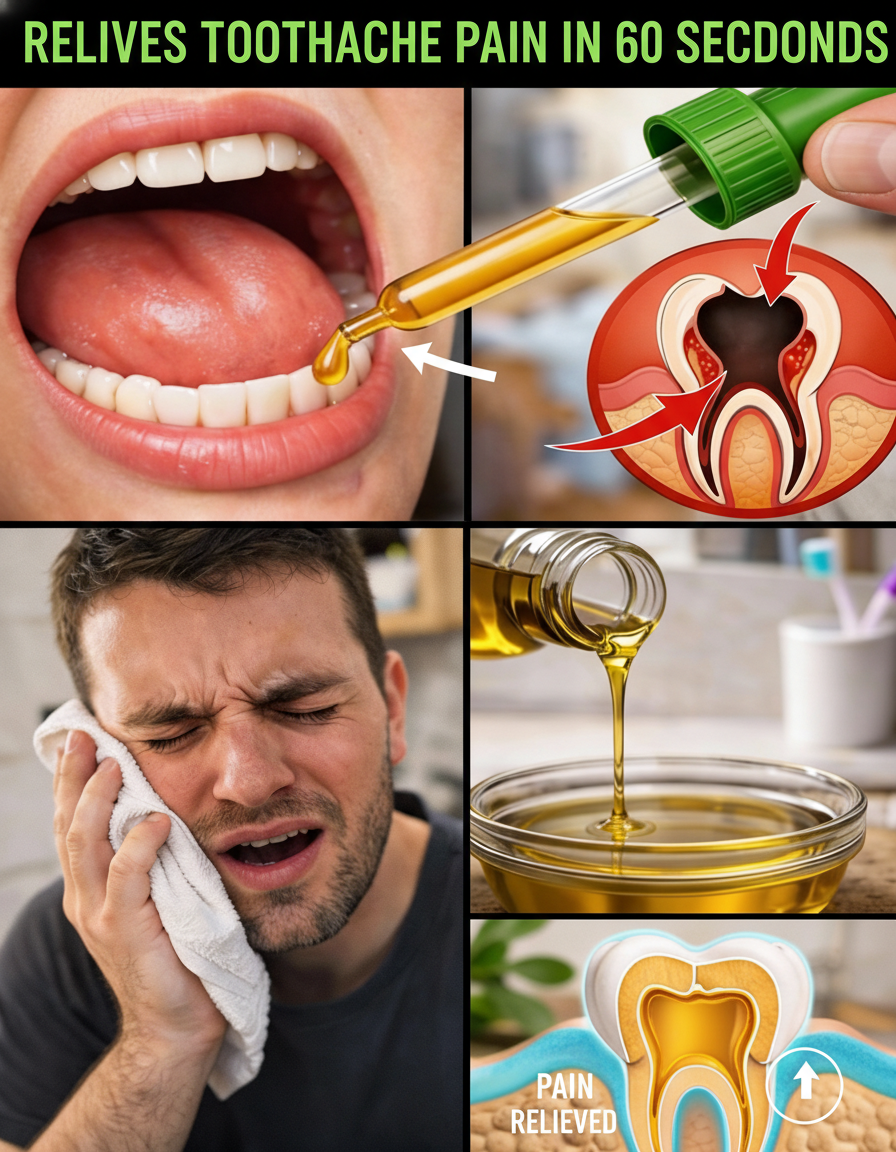
Clove oil is a well-known traditional remedy for toothache, primarily due to its active compound, eugenol, which possesses natural anesthetic properties. Dilute a single drop or two with a carrier oil, such as olive oil, then soak a small cotton ball in the mixture. Gently place the cotton ball against the affected tooth. Avoid direct contact with gums if using undiluted clove oil, as it can be irritating. Studies and centuries of use highlight its potential for short-term numbing and pain relief, but always test a tiny amount first.
-
Cold Compress: External Swelling Reduction
Applying a cold compress externally can be highly effective for reducing swelling and numbing the area. Wrap an ice pack or a bag of frozen vegetables in a thin cloth and hold it against your cheek, directly over the sore spot, for 15-20 minutes at a time. The cold helps constrict blood vessels, thereby easing inflammation and providing quick external relief. Remember to take breaks to protect your skin from frostbite, as advised by health experts.
-
Saltwater Rinse: A Gentle Oral Cleanser
Begin your toothache relief efforts with one of the most widely recommended and simplest methods. Mix approximately half a teaspoon of common table salt into a glass of warm water. Swish this saline solution gently around your mouth for about 30 seconds, then spit it out. This mild antiseptic rinse can help dislodge food debris, cleanse the area, and provide a soothing effect on irritated gum tissues, often bringing immediate calm as suggested by guidelines from WebMD and Mayo Clinic.