 By admin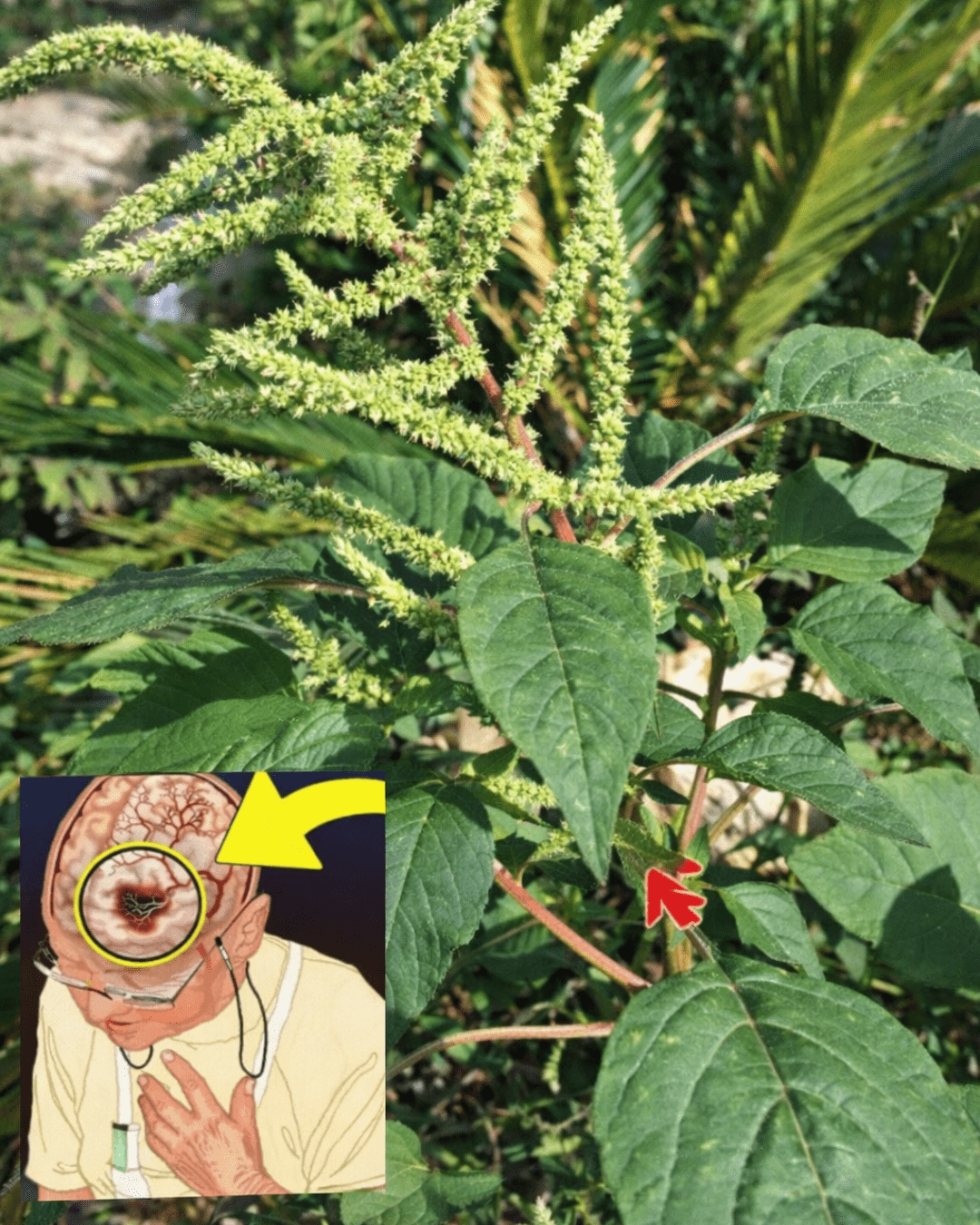
Many people walk past common garden weeds every day without a second thought, dismissing them as unwanted intruders that steal space from prized flowers or vegetables. These overlooked plants often get pulled out or sprayed, yet one in particular—frequently seen with its soft green leaves and unassuming growth—holds an impressive array of nutrients that modern diets sometimes lack. It’s frustrating to realize how much potential health support gets tossed aside simply because it doesn’t look “fancy.” But what if that ordinary-looking herb in your backyard could quietly support energy levels, digestion, and overall wellness in ways few expect? Keep reading, because toward the end, I’ll share simple ways to turn this hidden gem into everyday additions that could make a real difference.

What Exactly Is Bledo Blanco?
Bledo Blanco, also known by its scientific name Amaranthus blitum (or closely related species in the Amaranthus family like Amaranthus viridis in some regions), is a hardy, annual leafy green that thrives almost anywhere. It pops up along roadsides, in fields, gardens, or even cracks in sidewalks, often without any help from gardeners.
In many parts of Central and South America, as well as other traditional cultures, this plant has been gathered and eaten for generations as a nutritious vegetable. Despite its abundance and long history, it remains underappreciated in mainstream wellness circles today.
But that’s starting to change as more people discover its value as a readily available, nutrient-dense food source.

Why Bledo Blanco Stands Out Nutritionally
Research on Amaranthus species highlights their impressive profiles as leafy greens. Studies show these plants deliver a solid mix of essential vitamins, minerals, and other compounds that support everyday health.
Here’s a closer look at what makes Bledo Blanco (and similar amaranth greens) noteworthy:
- High in vitamin C — Often more than many common fruits, this nutrient acts as an antioxidant to help protect cells and support immune function.
- Rich source of vitamin A (from beta-carotene) — Important for eye health and skin maintenance.
- Loaded with minerals like calcium, magnesium, potassium, iron, and phosphorus — These play roles in bone strength, muscle function, energy production, and oxygen transport in the body.
- Good amounts of folate — Supports cell growth and overall vitality.
- Contains plant-based protein elements, including amino acids like lysine, which is less common in many plant foods and makes it a helpful option for varied diets.
But that’s not all… Amaranth greens also provide dietary fiber and various phytochemicals, including antioxidants like flavonoids and polyphenols, which research links to supporting the body’s natural defenses against oxidative stress.
Compared to everyday greens like spinach, amaranth leaves can offer competitive or even higher levels of certain nutrients in some analyses, making them a worthy addition rather than a replacement.

Key Health Support Areas Backed by Traditional Use and Emerging Research
Traditional practices and preliminary scientific interest point to several ways incorporating Bledo Blanco might benefit wellness. Remember, these are supportive roles—not cures—and individual results vary.
Brain and Cognitive Support
Some traditional uses describe this plant as helping with mental clarity, possibly due to its iron content (which aids oxygen delivery) and antioxidants that may support circulation. Studies on amaranth greens note their antioxidant capacity, which could contribute to general brain health by helping manage everyday oxidative factors. While more human research is needed, the nutrient profile aligns with foods that promote focus and energy.
Digestive Wellness
The high fiber content stands out here. Fiber helps promote regular bowel movements, supports a balanced gut environment, and may ease occasional discomfort like constipation. Research on similar leafy greens confirms fiber’s role in maintaining digestive comfort.
Anti-Inflammatory and Antioxidant Properties
Compounds like flavonoids (quercetin and others) in amaranth species show promise in lab and animal studies for helping manage inflammation and providing antioxidant activity. This could support overall comfort in daily life, from joint health to skin appearance.

General Nutrient Boost for Energy and Vitality
With iron for oxygen transport, B vitamins for energy metabolism, and minerals for muscle and nerve function, regular inclusion may help combat feelings of fatigue tied to common nutrient gaps.
Here’s a quick nutrient comparison table (approximate values per 100g cooked greens, based on amaranth data from nutritional databases):
- Vitamin C: Up to 40-50mg (often rivals or exceeds oranges)
- Iron: 2-3mg
- Calcium: 200-300mg
- Fiber: 2-4g
- Protein: Around 3-4g
These numbers highlight why it’s earning attention as an accessible superfood alternative.
Simple Ways to Add Bledo Blanco to Your Routine
The beauty of this plant lies in its versatility. Always ensure proper identification—consult a local expert or guide if foraging—and wash thoroughly. Avoid areas treated with chemicals.
1. Brew a Simple Herbal Tea
- Harvest fresh young leaves (avoid tough stems).
- Rinse well.
- Steep 1-2 handfuls in hot water for 5-10 minutes.
- Strain and sip warm—add lemon or honey if desired.
This gentle infusion can be a soothing daily ritual for digestive or relaxation support.
2. Make Leaf Powder for Easy Boosts
- Dry clean leaves in shade or low-heat oven.
- Grind into fine powder.
- Stir 1-2 teaspoons into smoothies, soups, yogurt, or sprinkle on salads/meals.
It’s an effortless way to sneak in extra nutrients without changing flavors much.
3. Cook It Like Familiar Greens
- Sauté young leaves with garlic and olive oil (similar to spinach).
- Add to soups, stir-fries, omelets, or as a side dish.
- Steam or boil lightly to reduce any natural astringency.
Start with small amounts to get used to the mild, earthy taste.
Pro tip: Young leaves taste best—older ones can be tougher.
Wrapping It Up: Give This Overlooked Gem a Chance
Bledo Blanco isn’t flashy, but its nutrient density and traditional backing make it worth noticing. Whether you’re looking to diversify your greens, support digestion, or add natural antioxidants, this resilient plant offers an easy, low-cost option right from nature (or your garden).
Next time you spot those green leaves, pause before pulling them— you could be looking at a simple upgrade to your daily wellness.
Frequently Asked Questions
Is Bledo Blanco safe to eat every day?
Yes, in moderate amounts as part of a balanced diet, similar to other leafy greens. Start small if new to it.
How do I tell if it’s really Bledo Blanco?
Look for soft, oval green leaves on branching stems, often with small greenish flowers. Confirm with a plant ID app or expert to avoid look-alikes.
Can I grow it myself?
Absolutely—it’s hardy and grows easily from seed in most soils with sun. Just contain it if you don’t want it spreading.
Any precautions?
Like many greens, it contains oxalates—cook it to reduce levels if concerned about kidney stones. Consult a healthcare provider if pregnant, on medications, or with health conditions.
Disclaimer: This article is for informational purposes only and not medical advice. While Bledo Blanco offers nutritional value, it is not intended to diagnose, treat, cure, or prevent any disease. Always consult a qualified healthcare professional before making significant dietary changes or using plants for health purposes, especially if you have existing conditions or take medications.