 By admin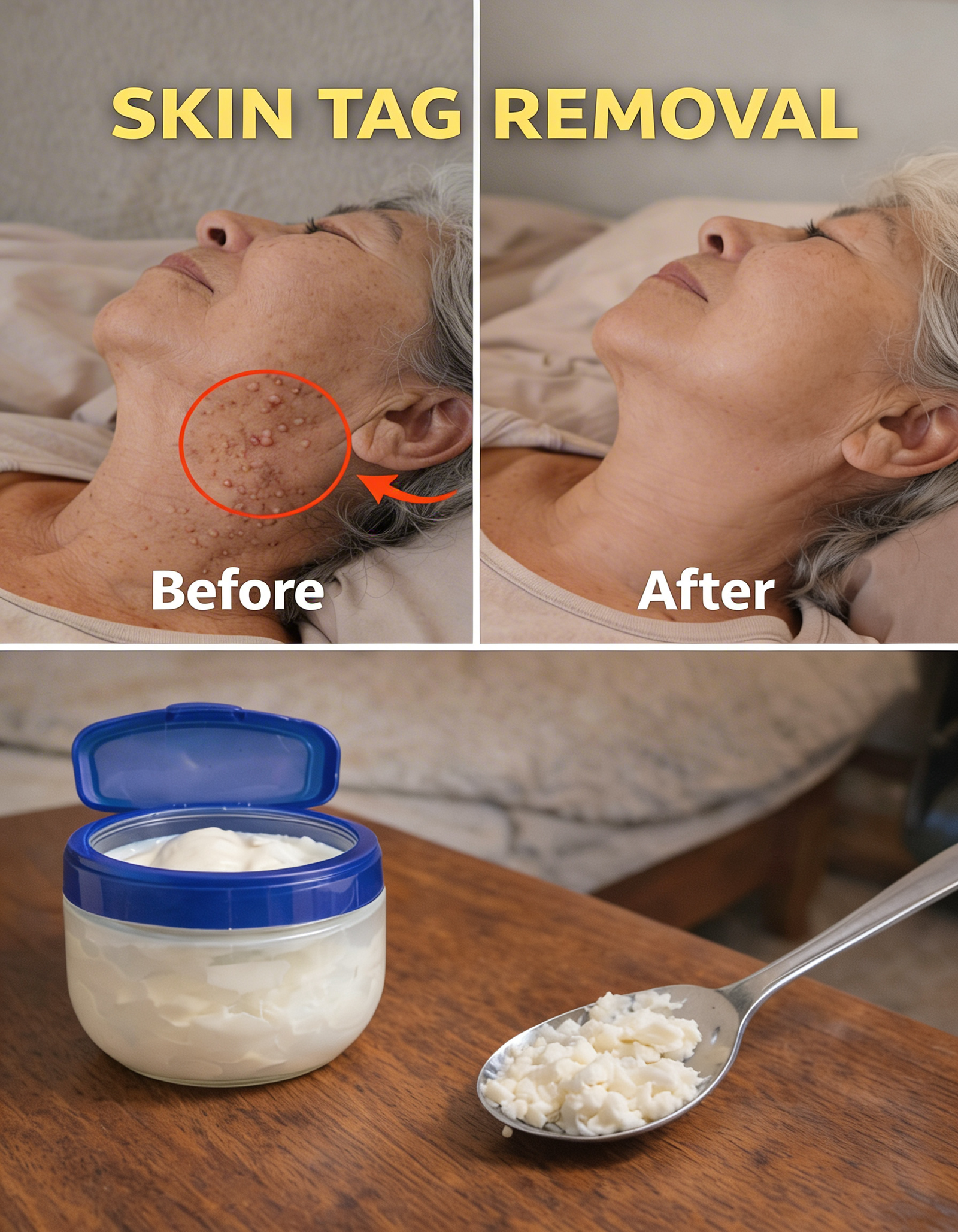
Those small, harmless skin growths known as skin tags can appear out of nowhere—often on the neck, armpits, eyelids, or groin—and suddenly become incredibly annoying. They catch on clothing, jewelry, or even during shaving, causing irritation, minor bleeding, or just plain self-consciousness when you look in the mirror. Many people feel frustrated dealing with these pesky flaps of extra skin that seem to multiply with age, weight changes, or friction, making everyday activities feel uncomfortable and embarrassing.
But here’s the good news: while skin tags are benign and don’t require treatment, safe and effective options exist to address them without turning to risky DIY hacks that promise overnight miracles. In this guide, we’ll explore what really works, why viral “one-night” remedies like heavy Vaseline application fall short according to experts, and the reliable paths forward that dermatologists recommend.

What Exactly Are Skin Tags?
Skin tags (also called acrochordons) are soft, flesh-colored protrusions that hang from a thin stalk of skin. They’re made of loose collagen fibers and blood vessels covered by normal epidermis.
Research shows they affect more than half of adults at some point, becoming more common after age 40 or with factors like obesity, diabetes, pregnancy, or family history. Studies link them to insulin resistance in some cases, though they’re not dangerous or cancerous.
The key point? Skin tags are completely harmless—but that doesn’t make them any less bothersome when they snag or look noticeable.

Why Do People Search for Quick Natural Fixes?
Viral posts often claim you can “remove skin tags in one night” by smothering them with thick layers of petroleum jelly (Vaseline) overnight, supposedly drying them out or cutting off oxygen. Other popular ideas include apple cider vinegar soaks, tea tree oil dabs, banana peels, or garlic rubs.
These methods gain traction because they’re cheap, use household items, and promise fast, painless results. Some anecdotal stories online show before-and-after photos where tags appear smaller—but experts point out that true removal takes time (days to weeks) as tissue needs to lose blood supply and necrotize gradually.
But here’s the reality check: No strong scientific evidence supports Vaseline or similar occlusive barriers causing skin tags to fall off quickly. Petroleum jelly excels at locking in moisture and protecting healing skin (dermatologists often recommend it after professional removal to aid recovery and reduce scarring). Applying it thickly to an intact tag likely just moisturizes without harming the growth—potentially leading to disappointment or wasted time.
Worse, aggressive DIY attempts (like tying off, cutting, or using acids without guidance) risk infection, bleeding, scarring, or damage to surrounding skin. The FDA warns against unapproved at-home removers for these reasons.

Safe and Effective Ways to Address Skin Tags
If a skin tag bothers you, the smartest step is consulting a dermatologist. They can confirm it’s a benign tag (not a mole, wart, or something else) and remove it quickly in-office with minimal discomfort.
Common professional methods include:
- Cryotherapy — Freezing with liquid nitrogen; the tag blisters and falls off in 1-2 weeks.
- Snip excision — Quick cut with sterile scissors (often no anesthesia needed for small ones).
- Electrocautery — Burning off with a tiny electric current for precise removal.
- Ligation — Tying off the base to cut blood supply (less common now).
These take minutes, have low complication rates, and offer immediate cosmetic improvement.
For those preferring to monitor rather than remove, many tags stay stable or even shrink naturally over time with reduced friction (e.g., looser clothing, weight management).
Home Approaches: What Might Help (and What to Avoid)
While no natural remedy has robust clinical trials proving it reliably removes skin tags, some people report gradual drying with gentle methods. Always patch-test first and stop if irritation occurs.
Here’s a comparison of popular options:
- Tea tree oil (diluted in carrier oil): Anecdotal reports suggest it may dry small tags over weeks due to antimicrobial properties. Apply sparingly once daily; evidence remains limited.
- Apple cider vinegar: Some apply diluted on a cotton ball overnight. Acidity might irritate tissue gradually—but risks chemical burns or uneven results.
- Over-the-counter freezing kits: Mimic cryotherapy for small tags; follow instructions carefully to protect surrounding skin (e.g., apply petroleum jelly around the area).
- Bandage coverage: Simply covering irritated tags prevents rubbing and bleeding while you decide on next steps.
Important: Never cut, burn, or tie off tags at home without medical supervision—these can cause serious issues. Avoid harsh chemicals, toothpaste, nail polish, or unproven viral hacks.

Step-by-Step: When and How to Seek Professional Help
- Examine the growth: Ensure it’s soft, hangs on a stalk, matches skin color, and hasn’t changed rapidly (color, size, bleeding).
- Note symptoms: If it itches constantly, bleeds often, or grows quickly, see a doctor promptly.
- Schedule a visit: A dermatologist assesses and removes in one quick appointment.
- Follow aftercare: Keep clean, apply thin petroleum jelly (Vaseline) as directed, and protect from sun to minimize scarring.
- Prevent new ones: Maintain healthy weight, reduce skin friction, and manage underlying factors like blood sugar.
Conclusion: Take Control Without the Risk
Skin tags may feel like an unwelcome surprise, but they’re manageable—and you don’t need to chase unproven overnight fixes that could do more harm than good. Professional removal offers safe, fast results with peace of mind, while gentle monitoring or lifestyle tweaks handle milder cases. Prioritize your skin’s health by choosing evidence-based steps over hype.
FAQ
1. Can skin tags go away on their own?
Yes, some shrink or fall off naturally over time, especially with less friction, but most persist unless addressed.
2. Are skin tags a sign of something serious?
No, they’re benign. However, multiple tags can link to insulin resistance or metabolic issues—worth mentioning to your doctor.
3. How long does professional skin tag removal take to heal?
Usually 1-3 weeks; small sites heal quickly with proper care like keeping moist and protected.
Disclaimer: This article is for informational purposes only and not a substitute for professional medical advice. Skin tags should be evaluated by a qualified healthcare provider before any removal attempt to rule out other conditions and ensure safe treatment. Always consult a dermatologist for personalized guidance.