 By admin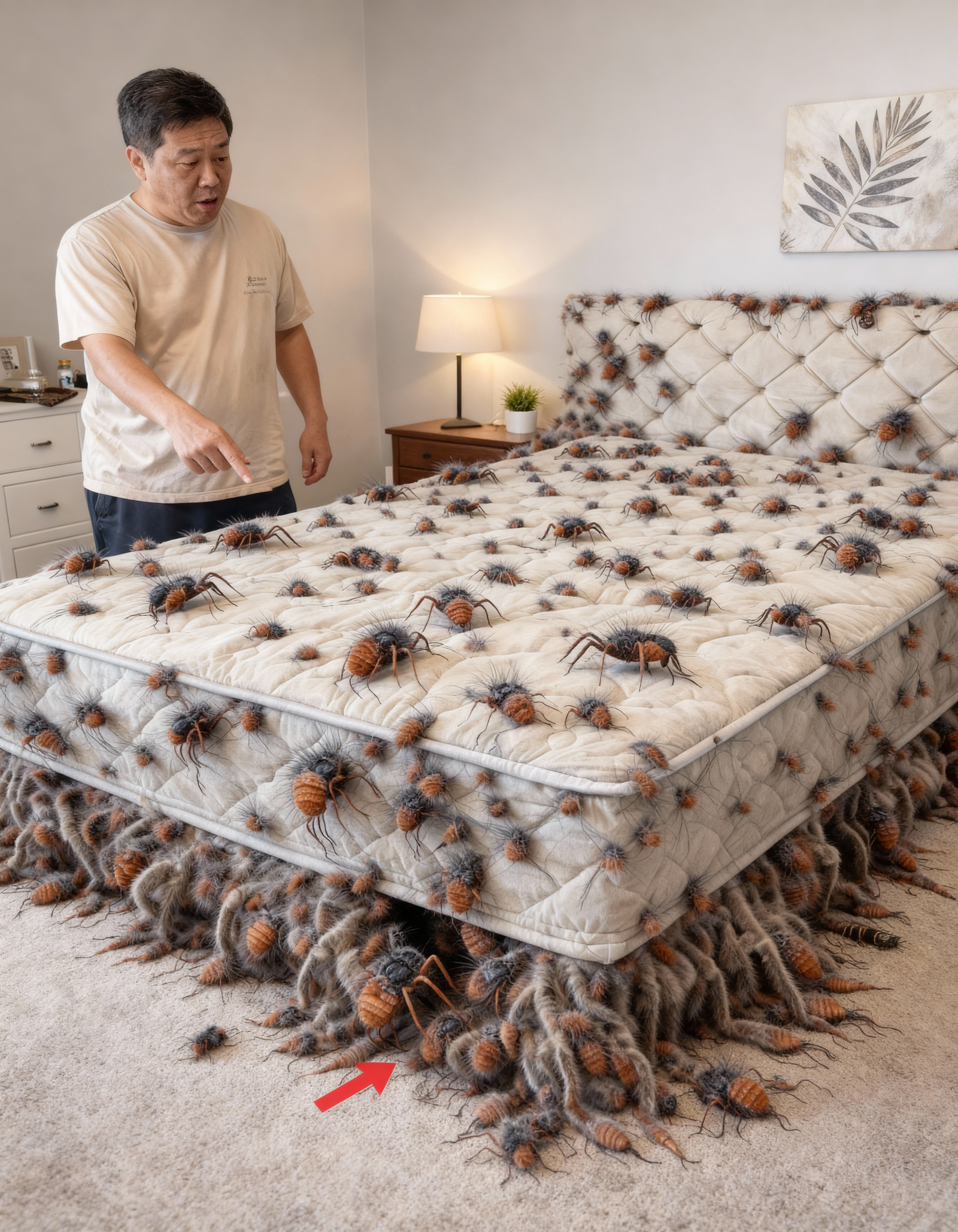
That thin, invisible layer of dust mites thriving in your bed turns what should be peaceful nights into mornings filled with sneezing, itchy eyes, and stuffy breathing. These microscopic creatures feed on the dead skin cells you shed every night, multiplying rapidly in the warm, humid environment right under your sheets. For millions, this leads to ongoing allergy discomfort or worsened asthma symptoms that leave you tired and foggy-headed all day, even after “enough” sleep. The cycle feels endless—more irritation, poorer rest, and frustration building with every uncomfortable morning. But research-backed, natural steps can dramatically cut dust mite populations and their allergens in your bed, helping you breathe easier and wake up refreshed. And there’s one surprisingly simple daily habit that boosts these efforts even more—keep reading to uncover it.

Why Dust Mites in Your Bed Are So Hard to Ignore
Dust mites flourish in warm, humid spots like mattresses and pillows, where they feast on shed skin flakes and produce waste that becomes airborne allergens. Studies estimate a typical mattress can harbor hundreds of thousands to millions of these tiny pests, depending on age and conditions. Their allergens trigger common reactions like nasal congestion, watery eyes, and skin irritation, often peaking at night when you’re closest to the source. Many people notice symptoms easing during the day but returning strongly after bedtime—yet few connect it directly to dust mites hiding in their bedding. Reducing exposure isn’t about perfection; it’s about creating an environment where these allergens drop significantly for noticeable relief.

Wash Bedding Weekly in Hot Water to Kill Dust Mites Effectively
Heat is one of the most reliable ways to eliminate dust mites. Research from sources like Mayo Clinic and the American Lung Association shows washing bedding in water at least 130°F (54°C) kills most mites and removes accumulated allergens.
Here’s a quick step-by-step:
- Gather sheets, pillowcases, blankets, and any washable mattress pads.
- Set your washer to the hottest cycle (130°F or above).
- Wash weekly—consistency matters most.
- Finish with high-heat drying for at least 15-30 minutes to kill any survivors.
This simple routine removes both live mites and their waste. One study highlighted how regular hot-water washing combined with other measures significantly lowers allergen levels in beds. If your water heater doesn’t reach high enough, consider a laundromat for occasional deep cleans.

Encase Mattresses and Pillows in Allergen-Proof Covers
Allergen-proof encasings act like a shield, blocking dust mites from accessing food sources inside while trapping existing ones. These tightly woven, zippered covers—certified as allergen-barrier—are highly effective according to allergy organizations and clinical reviews.
- Choose breathable, zippered options for mattresses, pillows, and box springs.
- Install them once and leave them on permanently.
- Wash outer bedding as usual on top.
Evidence supports encasings as a cornerstone strategy, often reducing exposure more than air cleaners alone. Many users report clearer mornings after adding this barrier—it’s a one-time investment with lasting impact.

Control Bedroom Humidity to Starve Dust Mites Naturally
Dust mites need humidity above 70% to thrive and reproduce; dropping levels below 50% makes survival difficult. Studies link lower indoor humidity directly to reduced mite populations, with some showing declines of up to 85% in drier conditions.
- Use a dehumidifier in the bedroom, aiming for 40-50% relative humidity.
- Run an air conditioner if it helps pull moisture from the air.
- Monitor with an inexpensive hygrometer.
In humid climates, this step amplifies everything else. People in damp areas often see the biggest improvements here—drier air means fewer mites and less allergen production.
Vacuum Your Mattress and Use HEPA Filtration
Vacuuming removes dead skin, dust, and allergens that feed mites. A HEPA-filter vacuum traps tiny particles instead of redistributing them.
- Vacuum the mattress surface, seams, and edges every 1-2 weeks.
- Use upholstery attachments for thorough coverage.
- Empty the canister outside to avoid reintroducing allergens.
Combined with washing and encasings, this keeps buildup low. Regular vacuuming supports overall reduction without harsh chemicals.
The Surprising Daily Habit: Leave Your Bed Unmade
Here’s the unexpected boost many overlook—don’t make your bed right away. Leaving sheets and covers pulled back exposes bedding to drier air and sunlight, helping evaporate overnight moisture that mites crave.
A study from Kingston University found unmade beds had lower mite populations due to better ventilation and reduced humidity. UV light from sunlight offers natural support too—open curtains or pull bedding into direct sun when possible.
Try this: After waking, fold back covers for at least 30-60 minutes (or all day if practical). It’s low-effort but adds up, especially paired with humidity control. Skeptical users often notice fewer morning symptoms after adopting this counterintuitive step.
More Natural Ways to Target Dust Mites in Your Bed
- Freeze non-washable items — Seal pillows or stuffed toys in bags and freeze for 24 hours to kill mites (though allergens remain, so wash when possible).
- Tumble dry on high heat — After washing, extra drying time kills lingering mites.
- Declutter the bedroom — Fewer fabrics and items mean fewer hiding spots.
- Add a HEPA air purifier — It captures airborne allergens stirred from bedding.
Essential oils like diluted eucalyptus or tea tree can be sprayed cautiously as a repellent—patch-test fabrics first and use sparingly.
Layer These Strategies for Maximum Impact
No single method eliminates dust mites completely, but combining them yields the best results.
| Approach | Speed of Impact | Long-Term Effectiveness | Natural? | Key Notes |
|---|---|---|---|---|
| Hot Water Washing | Quick | High | Yes | Weekly essential |
| Allergen-Proof Encasings | Immediate | Very High | Yes | One-time setup, big payoff |
| Humidity Control | Gradual | High | Yes | Dehumidifier key in damp areas |
| Leaving Bed Unmade | Daily | Moderate | Yes | Simple, free habit shift |
| Combined Strategies | Building | Highest | Yes | Layer for amplified relief |
Sample Timeline for Noticeable Change
- Week 1 — Install encasings, start hot washes, leave bed unmade → Initial allergen drop.
- Weeks 2-3 — Add vacuuming, monitor humidity, consider purifier → Comfort improves.
- Week 4+ — Routine locked in → Sustained lower exposure and easier breathing.
Ready to Reclaim Restful Nights?
Imagine sliding into bed without the hidden irritation of dust mites—waking energized, breathing freely, and starting your day clear-headed. These natural habits empower you to take control without relying on medications alone. Start small tonight: wash your sheets hot or pull back the covers. Track how you feel over a few weeks—many notice differences quickly.
Which step will you try first? Share in the comments or bookmark for reminders.
Frequently Asked Questions
How soon can I expect relief from reducing dust mites in my bed?
Many notice improvements in days to weeks with consistent habits, though full benefits often build over a month as populations decline.
Can natural methods completely get rid of dust mites?
Complete elimination is tough, but these steps significantly lower numbers and allergen exposure for most people.
What if my allergies from dust mites remain severe?
Layer multiple strategies and consult an allergist for tailored advice if symptoms persist.
This article is for informational purposes only and is not a substitute for professional medical advice. Always consult your healthcare provider for guidance on allergies or health concerns.