 By admin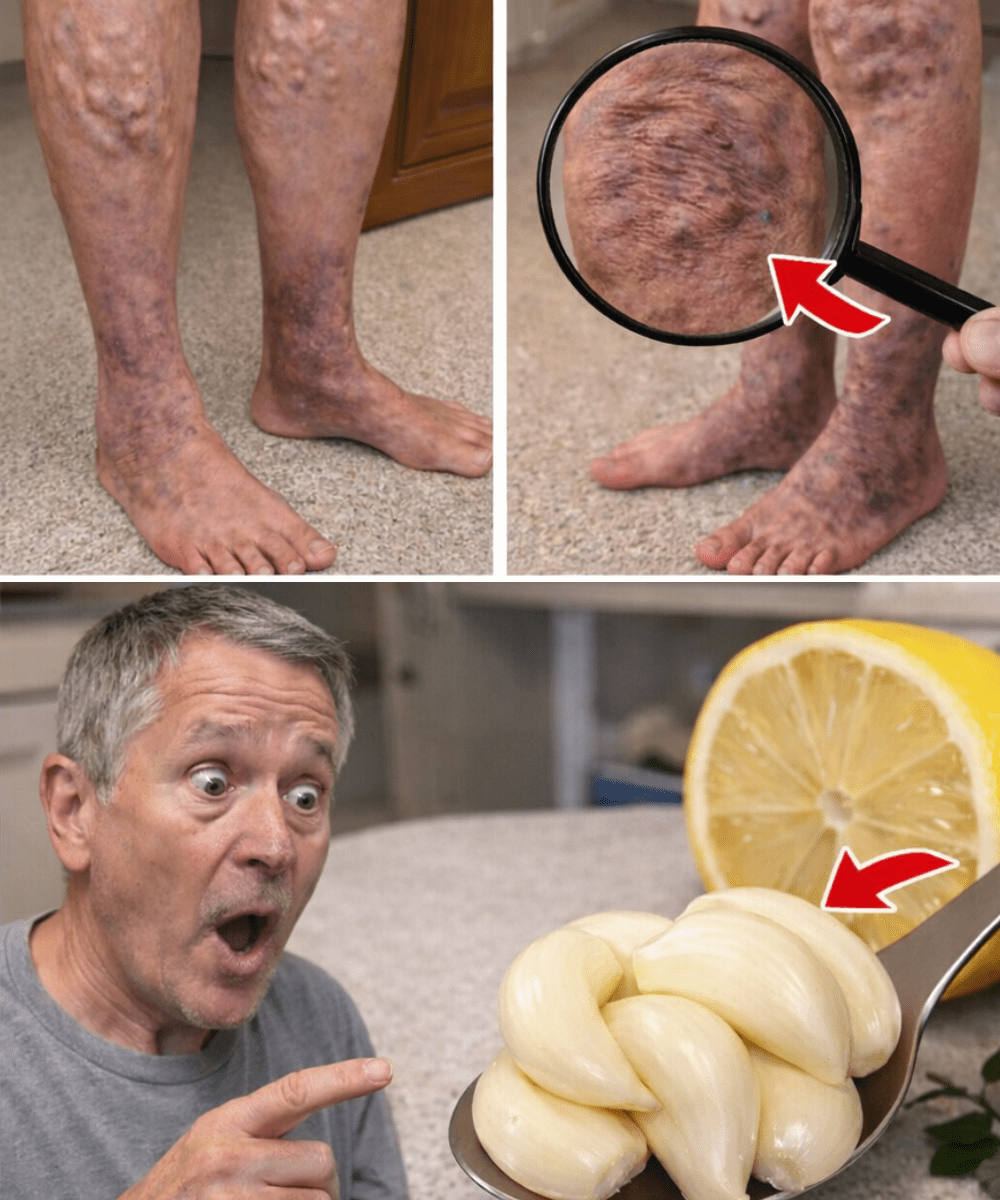
Varicose veins can make your legs feel heavy, achy, and swollen after a long day, turning simple things like standing or walking into real discomfort. That twisted, bulging appearance often leads to self-consciousness, making you avoid shorts or skirts even on warm days. Many people search for gentle, natural ways to ease these symptoms without jumping straight to medical procedures. And that’s where something as common as garlic comes in—it’s been used for centuries in traditional remedies and may support better circulation and reduce inflammation.
But the real surprise? There’s one particular way to prepare and use garlic that many swear by for noticeable relief… and I’ll share the exact steps later in this article.

Understanding Varicose Veins: More Than Just Appearance
Varicose veins happen when the tiny valves inside your veins weaken. Normally, these valves help blood flow back toward the heart against gravity. When they fail, blood pools, causing veins to stretch, twist, and bulge—most commonly in the legs.
Factors like prolonged standing, pregnancy, age, excess weight, or family history increase the risk. Symptoms often include:
- Aching or throbbing pain
- Heaviness and swelling in the legs
- Itching or burning around the veins
- Muscle cramps, especially at night
While compression stockings and lifestyle changes are common first steps, many people look for natural options to support vein health alongside these measures.

Why Garlic? The Science Behind Its Potential Benefits
Garlic (Allium sativum) has been studied extensively for its effects on cardiovascular health. The key compound, allicin, forms when garlic is crushed or chopped and is responsible for many of its beneficial properties.
Research suggests garlic may:
- Support healthy blood flow by helping relax blood vessels
- Reduce inflammation in the vascular system
- Act as a mild blood thinner, potentially improving circulation
- Provide antioxidant protection against oxidative stress that can damage vein walls
A 2018 review in the journal Phytotherapy Research noted garlic’s positive effects on peripheral circulation. Another study published in The Journal of Nutrition found that aged garlic extract helped improve endothelial function—the inner lining of blood vessels.
Of course, these studies focus on general cardiovascular benefits, not specifically varicose veins. But the mechanisms (better circulation, less inflammation) align with what people hope to achieve when managing varicose vein discomfort naturally.
Here’s the interesting part: combining garlic with other kitchen ingredients may enhance its topical effects.

A Popular Garlic-Based Home Remedy for Varicose Veins
One of the most shared natural approaches involves creating a simple garlic paste or infused oil to apply directly to the affected areas. The idea is that the active compounds penetrate the skin to support local circulation and soothe inflammation.
Garlic and Olive Oil Paste (Topical Application)
This remedy combines garlic’s active compounds with olive oil’s skin-soothing and penetrating properties.
Ingredients:
- 6–8 medium garlic cloves
- 3 tablespoons extra-virgin olive oil
- Juice of 1 lemon (optional, for added vitamin C and thinning consistency)
- Clean gauze or cotton cloth
Step-by-Step Instructions:
- Peel and finely crush or mince the garlic cloves. Let them sit for 10–15 minutes—this allows allicin to fully develop.
- Mix the crushed garlic with olive oil in a small bowl. Add lemon juice if desired (it may help with absorption and provides a cooling sensation).
- Gently massage a small amount of the mixture onto clean, dry skin over the varicose veins. Use upward strokes toward the heart to encourage circulation.
- Cover with gauze or a breathable cloth and leave on for 30–60 minutes (start with shorter time if you have sensitive skin).
- Rinse thoroughly with lukewarm water and pat dry.
- Repeat 3–4 times per week, preferably in the evening.
Many people report that regular use leaves the skin feeling softer and the legs less heavy over time.

Dietary Boost: Adding More Garlic to Your Meals
Topical use isn’t the only option. Eating garlic regularly may support overall vascular health from the inside.
Simple ways to increase intake:
- Add 1–2 raw crushed cloves to salads or dressings
- Roast whole bulbs and spread on whole-grain toast
- Include in soups, stir-fries, or marinades
- Consider aged garlic supplements if raw garlic upsets your stomach (always check with your doctor first)
Safety Tips and Precautions
Garlic is generally safe for most people, but there are important considerations:
- Skin irritation: Always do a patch test on your inner arm before applying to legs.
- Blood thinning: Garlic can have mild anticoagulant effects. Avoid high amounts if you take blood-thinning medications or have bleeding concerns.
- Odor: The smell can linger—plan applications accordingly.
- Allergies: Rare, but discontinue if you notice rash or swelling.
Start slowly and observe how your body responds.
Other Natural Strategies to Support Vein Health
While exploring garlic remedies, these evidence-based habits can complement your efforts:
- Elevate legs above heart level for 15–20 minutes daily
- Wear properly fitted compression stockings
- Stay active with low-impact exercises like walking or swimming
- Maintain a healthy weight
- Eat foods rich in flavonoids (berries, citrus, onions) and fiber
Final Thoughts
Varicose veins can be frustrating, but incorporating natural approaches like garlic—both topically and in your diet—may offer gentle support for circulation and comfort. Many people find the simple garlic-olive oil remedy easy to try at home and appreciate its affordability.
Remember, results vary, and natural remedies work best as part of a broader lifestyle approach.
Frequently Asked Questions
1. How long does it take to see results from using garlic on varicose veins?
Most people who notice improvement report changes after 4–8 weeks of consistent use, though some feel lighter legs sooner.
2. Can I use garlic remedies if I’m pregnant?
Topical use in moderation is generally considered safe, but always consult your healthcare provider first, as pregnancy affects vein health significantly.
3. Is raw garlic better than cooked for vein health?
Raw garlic retains more allicin, but cooking makes it gentler on the stomach. Both forms offer benefits—choose what suits you best.
Disclaimer: This article is for informational purposes only and is not medical advice. Varicose veins can sometimes indicate underlying health issues. Always consult a qualified healthcare professional before trying new remedies, especially if you have existing medical conditions or take medications. Natural approaches may help manage symptoms but do not replace professional medical treatment.