 By admin
 Hot vs. Cold Showers: Unlocking Their Unique Benefits for Your Well-being
Do you ever find yourself contemplating whether to step into a steamy hot shower for relaxation or brace yourself for an invigorating cold one to kickstart your day? While many of us instinctively choose comfort, a deeper understanding of the distinct advantages each temperature offers can empower you to make more deliberate choices for your daily wellness routine. Hot showers often serve as a comforting retreat, melting away stress, whereas cold showers deliver a powerful jolt of energy. Both have a valuable role, and scientific insights suggest they contribute to different aspects of physical and mental well-being in remarkable ways. The goal isn’t to declare one superior, but rather to align the water temperature with your specific needs and lifestyle. In this comprehensive guide, we’ll delve into what research reveals about each, present a clear comparison of their potential impacts, and offer practical advice for incorporating them safely. Stay with us until the end for an intriguing method that combines both for a surprisingly refreshing experience.
The Science Behind Shower Temperature: Why It Matters
Your body reacts uniquely to varying water temperatures, triggering distinct physiological responses that influence both immediate sensations and long-term health. Warm water typically encourages relaxation by promoting vasodilation (the widening of blood vessels) and easing muscular tension. Conversely, cold water induces vasoconstriction (the narrowing of blood vessels), followed by a rebound effect that can significantly boost circulation and alertness. These fundamental responses affect everything from your immediate mood and energy levels to deeper biological processes. Scientific investigations, including extensive reviews of cold-water exposure, confirm that these effects are more than mere anecdotes, though individual outcomes can vary based on factors like exposure duration, frequency, and personal health conditions.
The Calming Embrace of Hot Showers: Relaxation and Comfort
Hot showers, typically ranging from 100–108°F (38–42°C), are a popular choice for unwinding and de-stressing. The soothing warmth effectively relaxes muscles by increasing blood flow and alleviating tension accumulated from daily activities or strenuous workouts. Studies on warm bathing and showering indicate their potential to enhance relaxation and may even contribute to improved sleep quality, especially when enjoyed 1–2 hours before bedtime. A notable meta-analysis highlighted that evening warm showers or baths can help individuals fall asleep faster by facilitating the body’s natural temperature drop, a crucial signal for rest. Many people report a profound sense of calm and reduced stress after a hot shower, as the heat works to soothe tight muscles and foster tranquility. Additionally, warm water gently opens pores, which some find beneficial for a more thorough skin cleansing experience. Key benefits often include:
- Promotes deep muscle relaxation after a demanding day.
- May significantly improve sleep quality when strategically timed.
- Offers a comforting method to alleviate everyday stress and anxiety.
- Facilitates gentle and effective skin cleansing by opening pores.
Hot showers are particularly cherished during colder seasons or following intense physical exertion, providing much-needed warmth and comfort to the body.
The Invigorating Surge of Cold Showers: Energy and Resilience
Cold showers, typically around 50–60°F (10–15°C) or even colder, offer an entirely different, often described as electrifying, experience. The initial shock rapidly stimulates the nervous system, leading to heightened alertness, improved focus, and a burst of energy for many individuals. Research on consistent cold shower exposure suggests potential long-term benefits for immune system function; one randomized trial observed a reduction in self-reported sick days among participants who regularly incorporated brief cold showers into their routine. Further studies point to enhanced circulation as the body actively works to rewarm itself, alongside temporary mood elevation attributed to the release of beneficial neurotransmitters. Cold exposure has also garnered attention in the realm of post-exercise recovery, with evidence suggesting it may help mitigate muscle soreness and fatigue in certain scenarios, although results can depend on the timing and intensity of the exposure. Commonly reported effects include:
- Boosts morning alertness and sharpens mental clarity.
- Enhances blood circulation through natural vascular responses.
- Supports quicker perceived recovery following physical workouts.
- Provides an energizing and focused start to the day.
It’s worth noting that cold showers can be challenging at first; a gradual introduction is recommended to build tolerance and maximize benefits.
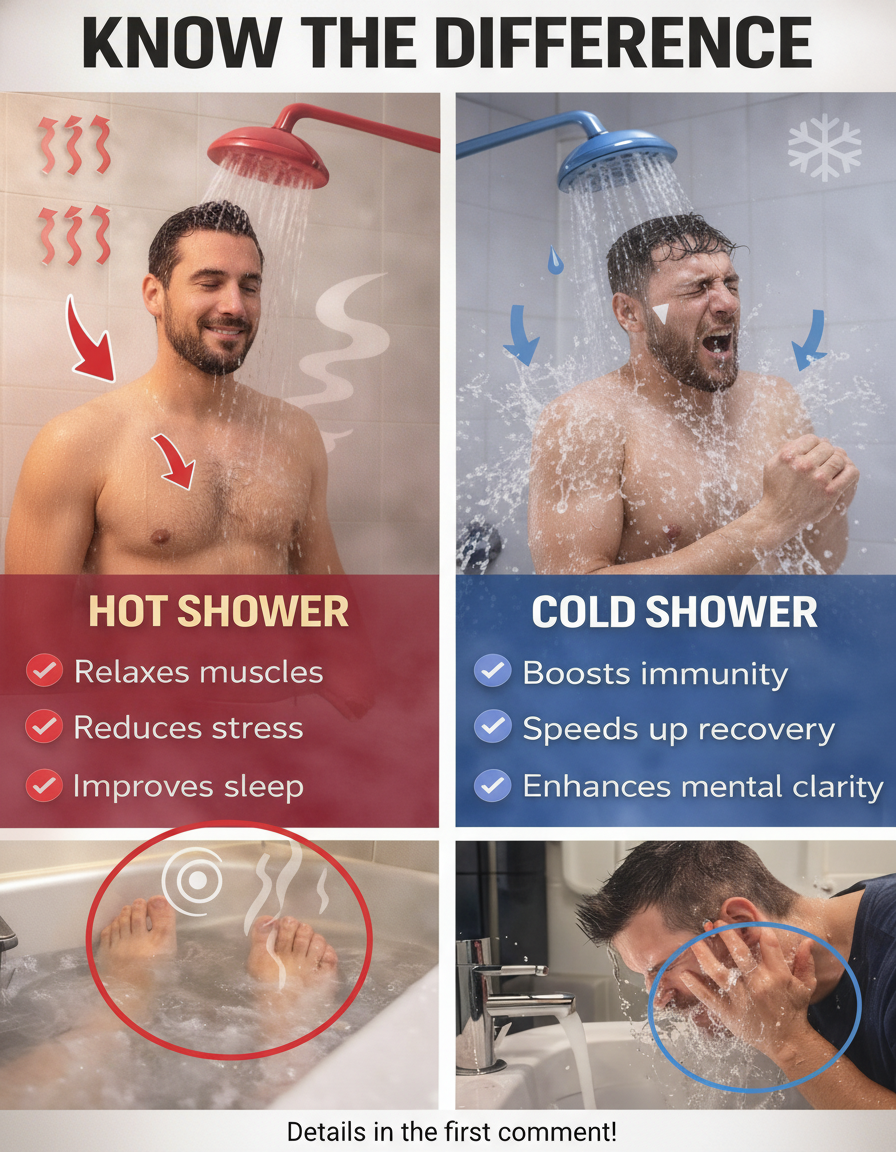
Hot vs. Cold Showers: A Comparative Overview
To help you discern the primary distinctions and decide which temperature best suits your immediate needs, here’s a clear side-by-side comparison based on prevalent research findings:
- Hot Shower Benefits:
- Fosters muscle relaxation and effectively eases tension.
- Supports winding down and optimizes preparation for restful sleep.
- Helps in significantly reducing feelings of daily stress.
- Gently opens skin pores, aiding in deeper cleansing.
- Provides relief for stiff joints or minor aches and discomforts.
- Cold Shower Benefits:
- Rapidly increases alertness and elevates energy levels.
- May enhance circulation and accelerate post-activity recovery.
- Potentially bolsters immune resilience with consistent application.
- Tightens skin and helps preserve natural oils, promoting skin health.
- Delivers a notable boost in mood and concentration for many users.
It’s important to remember that neither type of shower is a universal panacea, and their effects can sometimes overlap or vary individually. For instance, both hot and cold showers can improve circulation, albeit through different mechanisms—hot water through vasodilation, and cold water through the reactive rebound effect. Beyond these individual benefits, many people explore the advantages of combining both temperatures through contrast therapy.
Exploring Contrast Showers: The Best of Both Worlds
For those seeking to maximize the benefits of both hot and cold water, contrast showers, or hydrotherapy, offer a compelling solution. This technique involves alternating between hot and cold water during a single shower session. Typically, you might start with a comfortable hot shower for a few minutes, then switch to cold water for 30-60 seconds, and repeat this cycle several times, always concluding with cold water. This method is believed to vigorously pump blood through the body, promoting detoxification, enhancing circulation, and boosting energy levels. It’s an excellent way to experience both the relaxation of warmth and the invigoration of cold, often leaving you feeling deeply refreshed and revitalized. Always consult with a healthcare professional before trying extreme temperature variations, especially if you have underlying health conditions.
Making Your Choice: Tailoring Your Shower to Your Lifestyle
Ultimately, the choice between a hot or cold shower, or even a combination, depends on your individual needs, the time of day, and your personal preferences. If you’re looking to de-stress and prepare for sleep, a warm, relaxing shower is likely your best bet. If you need a powerful wake-up call, a boost in focus, or aid in post-workout recovery, a brisk cold shower could be ideal. Experiment safely, listen to your body, and discover which shower temperature truly enhances your daily routine and overall well-being. Whether it’s the soothing comfort of heat or the sharp clarity of cold, understanding their unique powers allows you to harness your shower as a powerful tool for health and vitality.