 By admin
 As we navigate through life, many of us observe changes in our skin’s texture and tone. Fine lines, age spots, and an overall lack of youthful smoothness can emerge due to sun exposure and daily environmental factors. It’s understandable to feel disappointed when expensive, off-the-shelf products don’t deliver the gentle, effective results we seek. Amidst this, baking soda, a common household staple, has garnered attention in natural skincare circles. Its finely abrasive texture and potential to revitalize the skin’s surface, when used correctly, make it an intriguing option. However, the key lies not just in what you use, but how you integrate it into your regimen. This comprehensive guide will show you a careful approach to preparing and applying a simple homemade baking soda mixture as part of your evening routine, complete with essential tips for safe and effective use.
Why Baking Soda Appeals to So Many for Skin Care
Baking soda, scientifically known as sodium bicarbonate, possesses a mildly abrasive quality that can gently assist in the removal of dead skin cells. Many individuals report that consistent, judicious application leaves their complexion feeling noticeably softer and appearing more uniform. Emerging research and dermatological insights also hint at its mild antibacterial attributes, which could be beneficial for maintaining clearer skin in specific scenarios, such as targeted spot treatments. Nevertheless, experts strongly caution that baking soda is significantly alkaline, with a pH of approximately 9. In contrast, healthy skin maintains a slightly acidic balance, typically between 4.5 and 5.5. Overuse or aggressive application can disrupt this vital natural protective barrier, potentially leading to dryness, irritation, or even compromised skin health. Therefore, exercising moderation and ensuring proper dilution and mixing are absolutely paramount. Moreover, thoughtfully combining it with hydrating and soothing ingredients can profoundly influence your skin’s positive response.
What a Basic Homemade Baking Soda Mixture Might Look Like
A widely favored method involves transforming baking soda into a creamy, spreadable paste, rather than applying it dry or incorporating it into harsh, gritty scrubs. This approach effectively tempers its intensity, making it far gentler on the skin. Common, simple ingredients that people frequently combine include:
- Baking soda: Serving as the mild, physical exfoliant.
- A natural oil: Such as extra-virgin coconut oil or olive oil, chosen for its hydrating and emollient properties.
- Raw honey: Valued for its natural soothing effects and humectant qualities, which help attract and retain moisture.
These components work in harmony to create a thicker, more manageable texture that is easy to apply evenly without causing excessive abrasion.
Step-by-Step: Preparing Your Homemade Baking Soda Mixture
Here’s a straightforward guide to crafting a small batch of this DIY mask that you can experiment with at home. Remember, this is intended as an occasional supplementary treatment, not a miraculous cure-all.
- Gather your ingredients:
- 1–2 tablespoons of baking soda (begin with a smaller amount to assess your skin’s reaction).
- 1 tablespoon of a nourishing base oil, such as extra-virgin coconut oil or high-quality olive oil.
- 1 teaspoon of raw honey (optional, but highly recommended for enhanced softness and hydration).
- Mix in a clean bowl:
- Begin by placing the baking soda into your bowl.
- Gradually incorporate the oil, stirring continuously until a thick, consistent paste forms.
- If using, gently blend in the honey; it contributes to a smoother, more luxurious feel.
- Adjust consistency:
- Should the mixture appear too dense, add a tiny drop of water or a bit more oil.
- Your goal is a creamy, spreadable texture that isn’t overly runny – think of a thick lotion.
While it’s possible to store any surplus in a small, airtight jar in a cool, dark place, preparing fresh batches for each use is generally recommended for optimal efficacy and hygiene.
How to Apply It Safely Before Bed
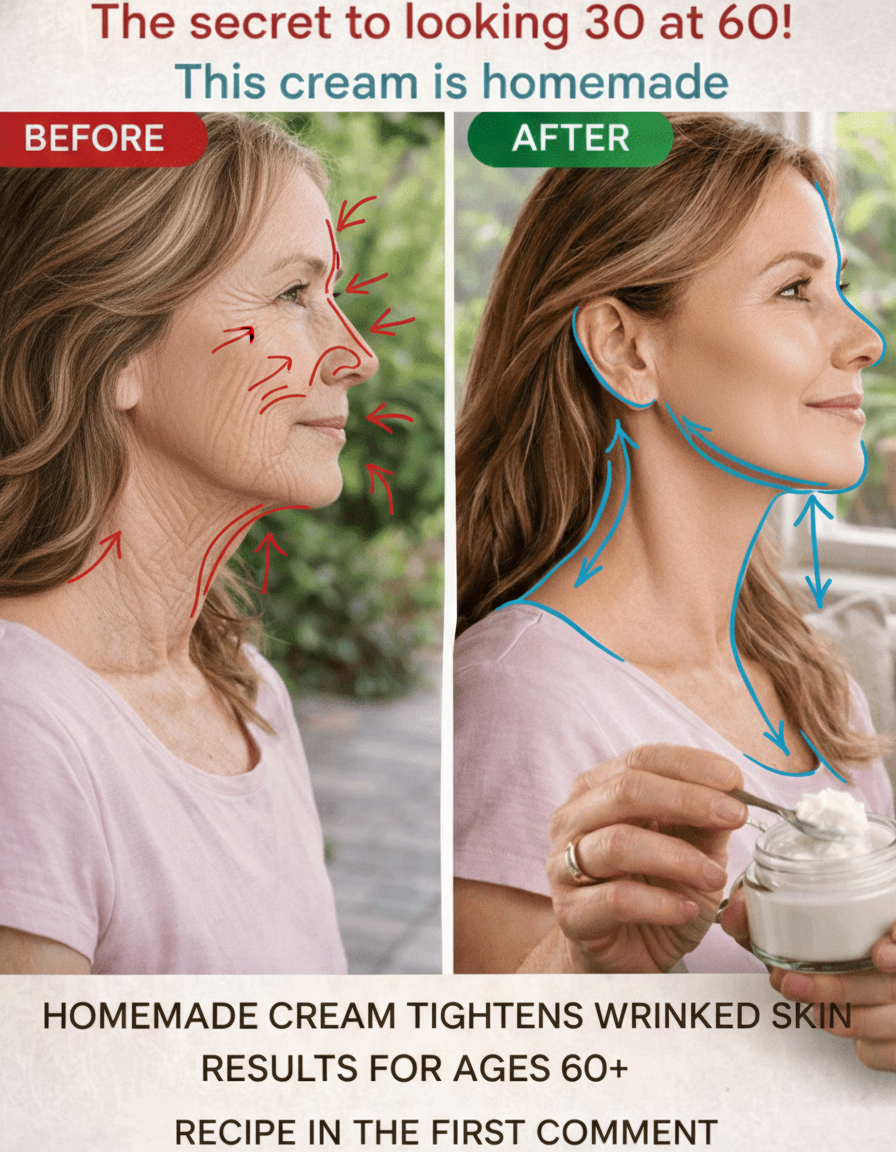
When using this mask, consistency and an extremely gentle touch are paramount for positive results. Follow these steps for a safe application:
- Prepare your skin: Thoroughly cleanse your face with your preferred mild facial cleanser, then gently pat your skin dry with a clean towel.
- Apply the mixture: Dispense a thin, even layer of the prepared mixture onto slightly damp skin. Concentrate on areas where you notice uneven texture or dullness, but meticulously avoid the delicate skin around your eyes.
- Gentle massage: Using your fingertips, softly massage the mask into your skin in small, circular motions for a brief period of 30–60 seconds. Under no circumstances should you scrub harshly.
- Allow to set: Leave the mask on your skin for approximately 5–10 minutes. If you have particularly sensitive skin, start with a shorter duration (e.g., 3-5 minutes) and gradually increase if tolerated.
- Rinse thoroughly: Wash off the mask completely with lukewarm water, ensuring no residue remains.
- Hydrate immediately: Conclude your routine by applying your favorite facial moisturizer to replenish and lock in essential hydration.
Many individuals who incorporate this mask into their routine opt to do so no more than 2–3 times per week, allowing their skin ample time to recover and maintain its natural balance. Here’s a general guideline for frequency:
- Beginners or sensitive skin: Limit use to once a week.
- Normal skin types: Can typically use it up to 2 times per week.
- Oily or more resilient skin: May tolerate up to 3 times per week, but closely monitor your skin for any signs of dryness or irritation.
Crucial Safety Step: Always perform a patch test on a small, inconspicuous area of your inner arm at least 24 hours before applying the mask to your entire face. This helps identify any potential adverse reactions.
Potential Benefits People Notice with Consistent Gentle Use
When this homemade baking soda mask is mindfully integrated into a skincare regimen, users often report several positive outcomes:
- Enhanced Radiance: The mild exfoliation can help dislodge and remove dull surface buildup, revealing a fresher, more luminous complexion underneath.
- Improved Skin Softness: The inclusion of natural oils and honey works to leave the skin feeling remarkably softer and adequately hydrated.
- More Even Tone and Texture: With careful, consistent application over several weeks, some individuals observe a more uniform skin tone and a smoother overall texture.
While studies on gentle physical exfoliants generally support their role in encouraging healthy cell turnover, individual results can vary significantly based on unique skin types and conditions. Beyond the tangible skin benefits, the process of combining natural ingredients and engaging in this DIY ritual can foster a rewarding sense of mindful self-care, enriching your routine in more ways than one.
Important Safety Tips to Keep in Mind
It is crucial to understand that not all skin types react favorably to baking soda. Due to its high alkalinity, it can be particularly irritating for those with sensitive, dry, or compromised skin barriers. If you experience any redness, burning, excessive dryness, or irritation, discontinue use immediately. Always prioritize your skin’s health and listen to its signals. For persistent skin concerns or if you have pre-existing skin conditions, consulting a dermatologist before trying new home remedies is always the safest approach.