 By admin
 Holy Basil for Oral Health: Unlocking Nature’s Potential for Fresher Breath and Stronger Teeth
Have you ever found yourself in a conversation, suddenly conscious of your breath, or perhaps spotted an unwelcome dark mark on a tooth? These moments can be acutely embarrassing, especially as we age and dental check-ups might become less frequent. The unease only deepens when gums feel tender, breath lacks freshness, or teeth seem to lose their resilience. Yet, an intriguing possibility exists: certain time-honored plants, revered for centuries, could offer surprisingly straightforward ways to enhance daily oral hygiene. Among these botanical treasures is Holy Basil, widely known as Tulsi. Its potential contributions to natural oral care might just captivate you as you read on.
What is Holy Basil (Tulsi) and Its Role in Traditional Wellness?
Holy Basil, affectionately called Tulsi, is far more than just a fragrant herb; it’s a revered plant deeply embedded in the traditional wellness practices and daily hygiene rituals of numerous cultures. Distinct from the sweet basil commonly found in culinary dishes, Holy Basil possesses a more potent aroma and is rich in natural compounds that have attracted scientific interest for their potential antibacterial and antioxidant qualities. For countless generations, people have integrated crushed Tulsi leaves or herbal infusions derived from the plant into their oral hygiene practices. Let’s delve into why this ancient herb is now garnering significant attention in contemporary discussions surrounding natural oral care.
The remarkable properties of Tulsi stem from its unique blend of natural plant compounds, which include:
- Essential Oils: Notably eugenol, contributing to its distinctive scent and potential benefits.
- Potent Antioxidants: These compounds play a crucial role in helping to neutralize oxidative stress within the body.
- Antimicrobial Plant Compounds: Specific constituents that researchers have explored for their activity against various microorganisms.
Preliminary laboratory investigations indicate that these compounds might contribute to controlling certain oral bacteria when incorporated into a consistent hygiene regimen. Beyond its scientific intrigue, many individuals, particularly older adults, value Tulsi for its simplicity, cost-effectiveness, and ease of integration into their daily routines. It is crucial, however, to remember that while Holy Basil can be a valuable addition, it should always serve as a complement to, not a substitute for, regular brushing, flossing, and professional dental examinations.
Addressing Common Oral Health Challenges for Adults Over 50
As we advance in years, our oral health often demands more mindful attention. The passage of time can introduce several transformations affecting both teeth and gums. Among the most frequently encountered issues are:
- Medication-Induced Dry Mouth: A common side effect of various prescriptions, leading to reduced saliva flow.
- Heightened Gum Sensitivity: Gums may become more prone to irritation and discomfort.
- Bacterial Accumulation: Contributing significantly to persistent unpleasant breath (halitosis).
- Progressive Enamel Erosion: The protective outer layer of teeth can gradually wear down, increasing vulnerability.
Dental health research consistently highlights that oral bacteria, naturally residing in the mouth, can proliferate unchecked when daily hygiene practices are neglected or become inconsistent. This unchecked growth directly contributes to the formation of plaque and subsequent gum inflammation. The undeniable truth is that consistent daily habits are the most potent determinant of long-term oral health. Simple yet effective routines such as regular brushing, diligent flossing, adequate hydration, and even the occasional use of herbal rinses can play a vital role in sustaining a balanced and healthy oral environment. It is within this context that Tulsi finds its place in certain traditional oral care regimens.
The Role of Tulsi in Natural Oral Care Practices
Across various traditional wellness systems, the integration of Tulsi leaves into daily oral hygiene routines is a practice steeped in history. Modern researchers delving into the field of herbal dentistry have begun to uncover and validate some of its intriguing properties. Laboratory studies, for instance, have indicated that extracts derived from Holy Basil may exhibit activity against specific oral bacteria. Here are some compelling reasons why individuals often choose to incorporate Tulsi into their natural oral care habits:
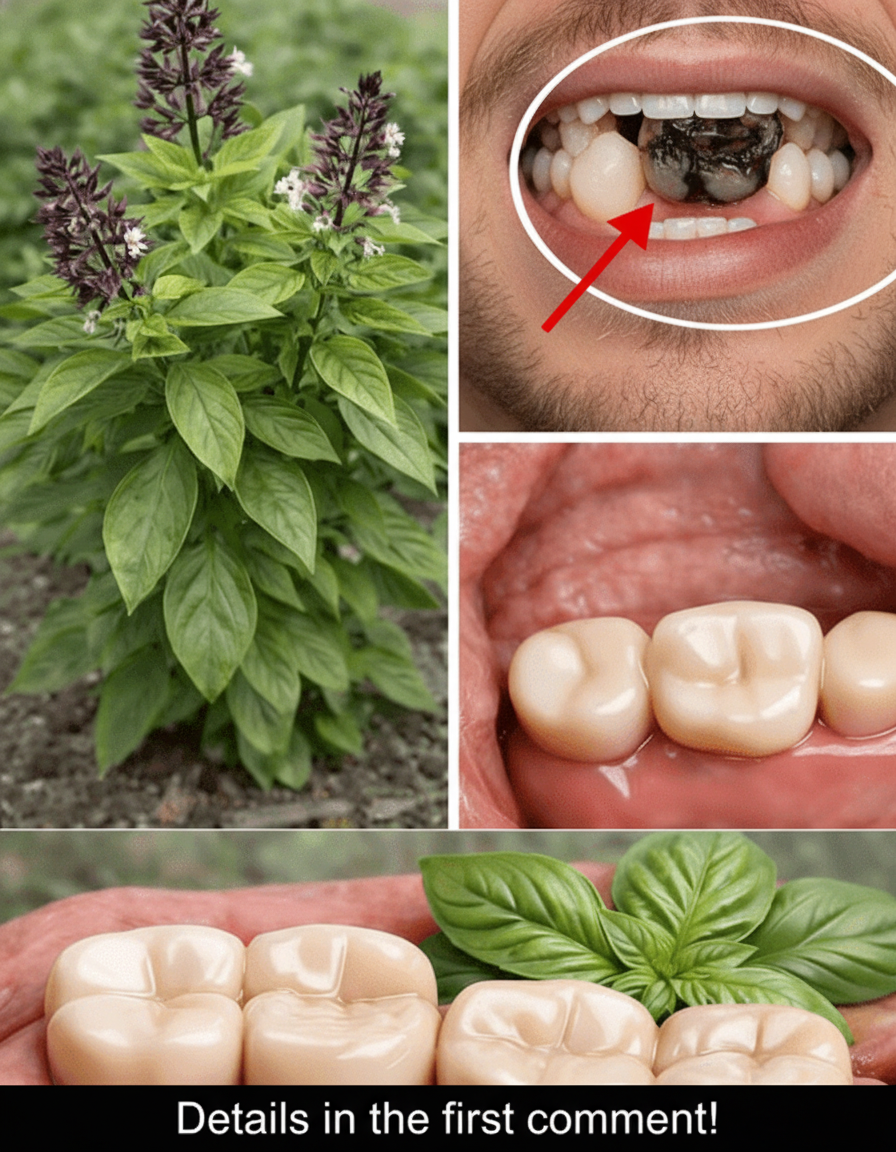
- Support for Fresher Breath: The aromatic essential oils inherent in Tulsi may contribute to a temporary reduction in odor-causing bacteria, promoting a cleaner sensation.
- Rich in Plant-Based Antioxidants: Tulsi is packed with compounds that actively help to neutralize oxidative stress, which can impact oral tissues.
- Gentle Cleansing Action: When prepared as an herbal infusion and used as a rinse, Tulsi can assist in gently washing away lingering food particles and debris from the mouth.
However, it is vital to reiterate a crucial point: Tulsi should never be considered a substitute for professional dental care or prescribed treatments. Its role is best understood as a supplementary element within a comprehensive daily oral hygiene regimen. The bedrock of effective oral health maintenance undeniably remains consistent brushing with fluoride toothpaste and regular visits to your dental professional.
Integrating Tulsi into Your Daily Oral Care Routine: Simple Methods
For those interested in exploring traditional herbal approaches, incorporating Tulsi into daily oral care can be surprisingly simple and cost-effective. Here are a few gentle methods commonly practiced:
1. Homemade Tulsi Herbal Mouth Rinse
- Prepare the Infusion: Bring a handful of thoroughly cleaned Tulsi leaves to a boil in fresh water for approximately five minutes.
- Cool to Optimal Temperature: Allow the resulting liquid to cool down until it reaches a comfortably warm temperature.
- Rinse and Refresh: Use this herbal solution as a natural mouth rinse immediately after your regular brushing routine.
2. Tulsi Leaf Powder for Brushing
- Dry the Leaves: Ensure Tulsi leaves are completely dry, free from any moisture.
- Create a Fine Powder: Grind the dried leaves into a very fine, consistent powder.
- Enhance Your Toothpaste: Occasionally, mix a small pinch of this Tulsi powder with your regular toothpaste while brushing.
3. Gentle Chewing of Fresh Leaves
Some individuals prefer to gently chew a few washed fresh Tulsi leaves. This practice helps to release their beneficial aromatic oils directly into the mouth. It is important to approach this method with moderation and always follow up with a thorough rinse of the mouth afterward.
Regardless of the method chosen, remember this key principle: consistency outweighs intensity. Small, regular daily habits often yield more significant and lasting benefits for your oral health than sporadic, intense efforts.