 By admin
 Holy Basil for Oral Health: A Natural Complement to Your Dental Care Routine?
Have you ever caught a glimpse of your smile in the mirror, only to spot unwelcome dark marks, or perhaps noticed a subtle step back from someone during a conversation due to persistent bad breath? These common oral health challenges can be surprisingly frustrating, especially when you maintain a regular brushing routine yet still contend with gum sensitivity or stubborn odors. For many, particularly as they age, these minor dental concerns can gradually accumulate. Yet, an intriguing possibility exists: a modest herb, often found thriving in home gardens, might offer valuable support for your daily oral care regimen when utilized thoughtfully. Stick with us, and by the article’s conclusion, we’ll unveil a straightforward practice that many tend to overlook.
Understanding Why Oral Health Often Declines With Age
As the years pass, maintaining optimal oral hygiene frequently presents new challenges. Even individuals who diligently brushed twice daily in their youth may begin to experience emerging dental concerns. Several contributing factors commonly include:
- Reduced salivary flow
- Years of accumulated plaque buildup
- Increased gum sensitivity and recession
- Dietary shifts or new medications
Saliva plays an indispensable role in safeguarding oral health. This natural bodily fluid actively helps cleanse the mouth by flushing away harmful bacteria and food particles. However, the aging process and certain pharmaceutical treatments can diminish saliva production, creating a more hospitable environment for odor-causing bacteria to flourish. Furthermore, a crucial point many people fail to recognize is that plaque bacteria do not solely impact teeth. They can also inflame gum tissues, lead to chronic bad breath, and gradually weaken tooth enamel if consistent daily hygiene is neglected.
But the story doesn’t end there. Throughout history, various traditional herbal practices have explored the potential of natural plants to support daily mouth care habits. Among these, holy basil, widely recognized as Tulsi, is frequently highlighted.
What Is Holy Basil And Why Do People Use It For Oral Care?
Holy basil, bearing the scientific name Ocimum tenuiflorum, boasts a rich history of use spanning centuries in traditional wellness systems across Asia. Distinct from the sweet basil commonly used in culinary applications, holy basil possesses a more potent aroma and contains unique plant compounds that researchers have investigated for their antimicrobial and anti-inflammatory properties. Several laboratory-based studies have indicated that extracts derived from Tulsi may help inhibit the proliferation of certain oral bacteria. These specific bacteria are frequently implicated in plaque formation and contribute to unpleasant breath.
However, it is vital to clarify an important distinction: holy basil is not a substitute for professional dental care. Nevertheless, when integrated responsibly as a complementary element within daily hygiene routines, some individuals report finding it beneficial. This is where its traditional applications become particularly interesting. Many households have historically incorporated dried basil leaf powder or herbal mouth rinses as an adjunct to their regular brushing practices.
How Holy Basil May Support Everyday Oral Hygiene
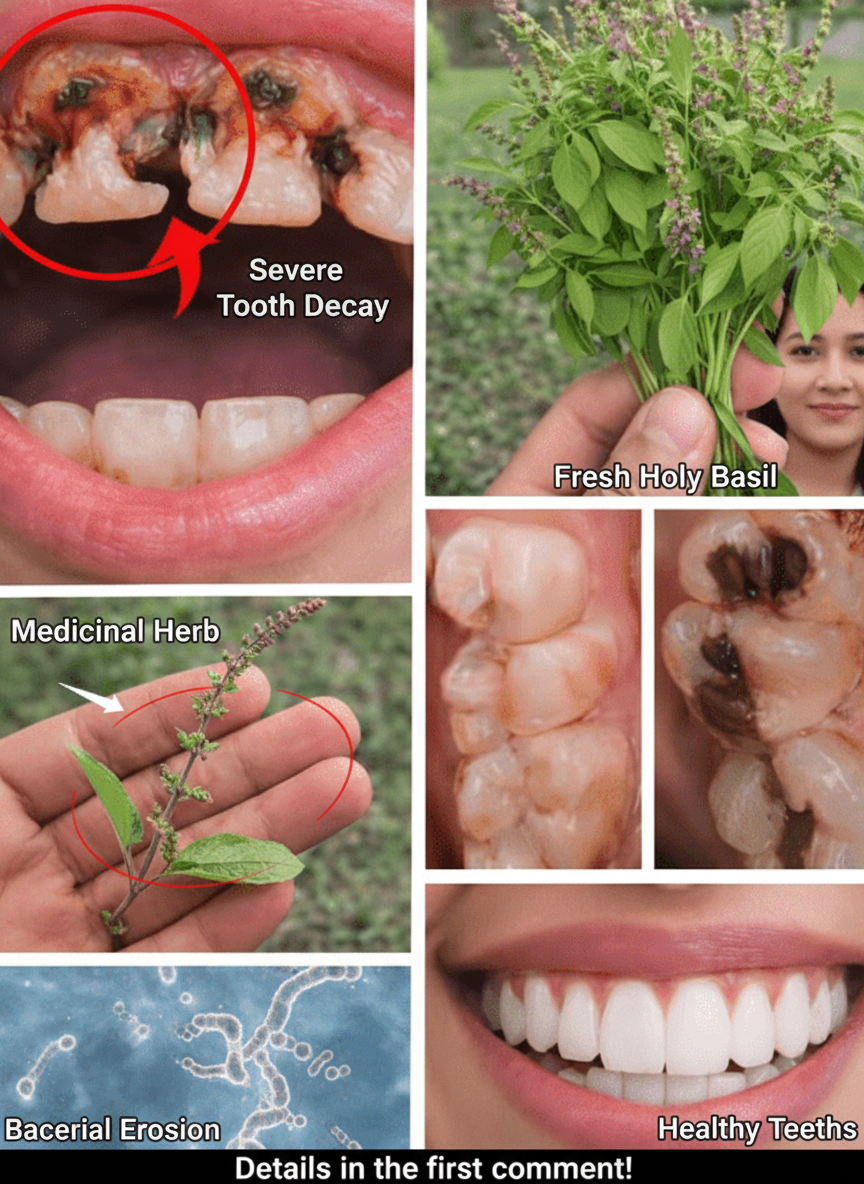
Both scientific research and long-standing traditional practices suggest several ways holy basil might contribute to enhanced oral hygiene habits. Its potential supportive roles encompass:
- Assisting in the reduction of odor-causing bacteria
- Promoting fresher breath
- Delivering antioxidant compounds that may soothe gum discomfort
- Helping to maintain a balanced oral environment
Some preliminary studies published in reputable dental research journals have shown that herbal mouth rinses formulated with basil extracts exhibited mild antibacterial activity against common oral microbes. Yet, the overarching message remains straightforward: while herbs can certainly complement hygiene practices, they cannot repair damaged teeth or serve as replacements for essential habits like brushing and flossing. This brings us to a crucial comparison.
Natural Support vs. Essential Dental Habits
It’s important to understand where natural remedies fit into a comprehensive oral care strategy.
| Daily Oral Habit | Purpose | Can Herbs Replace It? |
|---|---|---|
| Brushing teeth twice daily | Removes plaque and food debris | No |
| Flossing | Cleans between teeth and below the gumline | No |
| Professional dental cleaning | Removes hardened tartar and addresses specific issues | No |
| Herbal support like Tulsi | May promote freshness, balance, and gum comfort | Only complementary |
Consider holy basil as a supportive helper, not the primary tool in your dental care arsenal. It works best when integrated into an already strong foundation of conventional oral hygiene.
A Simple Holy Basil Oral Care Routine Many People Try
Here’s a traditional, straightforward approach that some individuals incorporate into their home oral care. Always remember to consult with a dentist or healthcare professional before introducing any new oral care practices, especially if you have sensitive gums or existing dental conditions.
- Step 1: Thoroughly wash several fresh holy basil leaves under running water.
- Step 2: Allow the cleaned leaves to air dry naturally in a shaded area until they become brittle and crisp.
- Step 3: Grind the dried leaves into a fine powder using a mortar and pestle or a small spice grinder.
- Step 4: Mix a tiny pinch of this powder with your regular toothpaste or a small amount of warm water to create a mild paste or rinse.
- Step 5: Use the mixture gently when brushing, or as a gentle mouth rinse after your usual brushing routine.
Important Tips:
- Use only very small quantities of the powder.
- Avoid aggressive brushing, which can harm gums and enamel.
- Discontinue use immediately if any irritation or discomfort occurs.
- Crucially, continue all your normal dental hygiene habits, including regular brushing, flossing, and professional check-ups.
Additionally, some people occasionally chew one or two fresh holy basil leaves for quick breath freshening. However, moderation is key, as concentrated herbal compounds can sometimes irritate sensitive oral tissues. By understanding its role as a complement, holy basil can be a valuable addition to a holistic approach to oral well-being.