 By admin
 Hoary Basil for Holistic Wellness: Your Guide to Natural Eye Comfort and Respiratory Support
In our modern world, many individuals frequently experience common yet persistent discomforts: tired eyes from prolonged screen time, respiratory irritation due to environmental pollutants, and a pervasive sense of fatigue that often accompanies seasonal shifts. While these issues may not always warrant a doctor’s visit, they can subtly diminish daily comfort and overall vitality. Across diverse cultures, a long-standing tradition of gentle herbal practices exists to bridge this gap, offering simple yet effective ways to support the body’s natural balance. Among these revered botanicals is hoary basil, a plant whose enduring popularity in traditional home remedies speaks volumes. This comprehensive guide will unveil the practical applications of this remarkable herb, revealing why countless individuals continue to find solace and comfort in its simple preparations.
What Is Hoary Basil and Why Does It Remain Relevant Today?
Known botanically as Ocimum africanum and locally in Vietnam as lá é, hoary basil is a distinctive member of the expansive basil family. It diverges significantly from its more common relatives like sweet basil or Thai basil, both in its characteristics and traditional uses. Thriving naturally in the tropical and subtropical zones of Asia and Africa, this resilient plant is a familiar sight in domestic gardens and bustling local markets. Unlike the subtle, sweet notes of culinary basils, hoary basil emits a notably sharper, more peppery, and intensely aromatic scent. This potent fragrance is a key indicator of its rich composition of essential oils and other bioactive compounds, which have been prized in folk medicine for centuries.
How to Identify Hoary Basil
Identifying hoary basil is relatively straightforward once you know its key characteristics. Look for these distinguishing features:
- Leaves: Typically light green, oval-shaped, and featuring gently serrated edges.
- Texture: Both the leaves and stems are covered in fine, soft hairs, giving the plant a slightly fuzzy feel.
- Stems: Often pale green to whitish in color.
- Aroma: When the leaves are bruised or crushed, they release a strong, distinctly spicy and peppery fragrance.
Crucially, hoary basil’s significance extends far beyond its culinary potential. For generations, it has been deeply integrated into daily wellness practices, particularly to alleviate discomforts associated with eye strain, respiratory issues, and digestive sluggishness.
Traditional Wisdom: Hoary Basil’s Connection to Eye and Lung Health
Throughout Southeast Asia, herbal remedies are typically approached not as miraculous cures, but as integral components of daily life, fostering overall balance and well-being. Hoary basil exemplifies this philosophy, frequently prepared as invigorating teas, incorporated into nourishing soups, or served as light, restorative beverages. Traditionally, its value stems from three primary areas of benefit:
- Respiratory Support: Offering comfort during periods of coughs, common colds, or exposure to environmental pollutants.
- Ocular Comfort: Providing relief for general eye fatigue and irritation, particularly prevalent in modern lifestyles.
- Digestive Harmony: Aiding digestion, especially after consuming rich or irregular meals.
What makes this traditional wisdom particularly compelling is how many of these long-held beliefs are now being explored and, in some cases, corroborated by contemporary scientific research into the properties of aromatic herbs. But the story doesn’t end there…
How Hoary Basil Traditionally Supports Respiratory Comfort
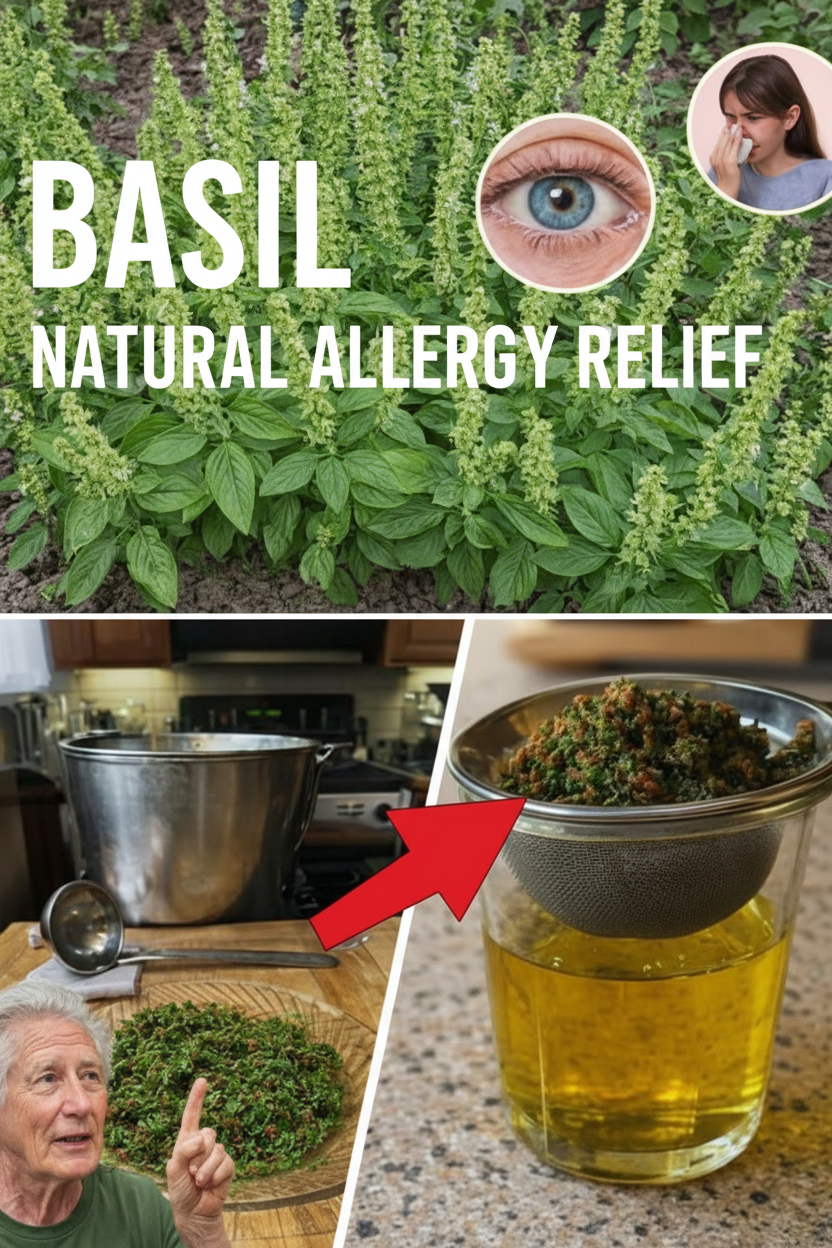
Among its most prominent traditional applications, hoary basil is frequently turned to for alleviating various forms of respiratory discomfort. This includes addressing sensations of chest tightness, soothing mild coughs, and easing the common sniffles associated with seasonal changes.
Common Traditional Preparations for Respiratory Wellness
In countless households, hoary basil leaves are mindfully prepared in several ways to support lung health:
- Warm Herbal Teas: A simple infusion made by steeping fresh or dried leaves in hot water.
- Gentle Decoctions: Leaves are briefly simmered in water to extract their beneficial compounds more thoroughly.
- Aromatic Steam Inhalations: The leaves are added to hot water, and the resulting steam is inhaled for its soothing aromatic properties.
When hoary basil leaves are heated, they release a complex blend of essential oils rich in compounds such as eugenol, linalool, and citral. Emerging research on various basil species suggests that these aromatic constituents may possess properties that help relax airway muscles, thereby promoting a sensation of easier and more comfortable breathing. It is crucial to emphasize that while these traditional practices offer supportive benefits, they are not intended to replace professional medical advice or treatment for serious conditions. Nevertheless, this understanding helps explain why many describe hoary basil steam or tea as “opening” or profoundly soothing to the chest. Furthermore, the act of inhaling warm, aromatic steam itself, irrespective of the herbs used, is recognized for its ability to encourage relaxation within the respiratory system, which can significantly reduce the subjective perception of tightness.
Eye Comfort: A Gentle, Yet Significant Traditional Use
It might come as a surprise to many that hoary basil also holds a revered place in traditional practices for supporting eye comfort. To be clear, it is not employed as an ophthalmic treatment or a direct cure for vision impairments. Instead, its influence is understood to be indirect and subtly supportive. Traditional perspectives link overall eye comfort and health to several internal factors:
- Alleviating Internal Inflammation: Reducing systemic inflammatory responses that can impact ocular well-being.
- Enhancing Circulation: Promoting better blood flow to the delicate structures around the eyes.
- Mitigating Oxidative Stress: Protecting cells from damage caused by free radicals.
Hoary basil is naturally abundant in beneficial plant compounds, including flavonoids and polyphenols, which are widely recognized for their potent antioxidant activity. Scientific studies consistently demonstrate that antioxidants play a vital role in neutralizing harmful free radicals. These unstable molecules can accumulate in the body due to various modern stressors such as prolonged screen exposure, environmental pollution, and insufficient sleep, all of which can contribute to eye strain and discomfort. The efficacy of antioxidant support is generally cumulative, meaning it yields the most significant benefits when adopted consistently over time. This explains why herbs like lá é are traditionally incorporated into daily routines in modest quantities, rather than being viewed as an immediate, one-off solution.
The Science Angle: What Modern Research Is Uncovering
Contemporary scientific investigations into various basil species, including different Ocimum varieties, are increasingly validating the long-standing traditional uses of these plants. Key findings highlight several promising properties that align with their historical applications:
- Antimicrobial Activity: Laboratory studies have shown efficacy against certain bacteria and fungi, suggesting potential protective qualities.
- Anti-inflammatory Potential: Research indicates that essential oils and polyphenols present in basil may contribute to reducing inflammation within the body.
- Antioxidant Capacity: The presence of powerful antioxidants helps combat oxidative stress, protecting cells from damage and supporting overall cellular health.