 By admin
 Hoary Basil: A Comprehensive Guide to Its Traditional Uses, Modern Discoveries, and Everyday Integration
Do you frequently experience persistent coughs, digestive unease, or that pervasive sense of fatigue often accompanying seasonal shifts and daily pressures? While these common ailments might not always warrant immediate medical attention, they can subtly diminish your vitality and overall well-being over time. Across numerous cultures, a gentle approach to wellness often involves incorporating simple, plant-based herbal practices designed to nurture and support the body without overwhelming it. Among these beneficial botanicals is hoary basil (Ocimum africanum), and this guide will unveil a practical, yet often overlooked, method through which people continue to leverage its benefits in contemporary life.
What Is Hoary Basil?
Hoary basil (Ocimum africanum) stands out as a distinctive, though perhaps less familiar, relative within the diverse basil family. Flourishing across the tropical and subtropical landscapes of Asia and Africa, this resilient plant holds particular significance in regions like Vietnam, where it is affectionately known as lá é. There, it’s a staple in household gardens, bustling local markets, and traditional culinary preparations. Diverging from the sweeter notes of common or Thai basil, hoary basil presents a uniquely pungent aroma and a flavor profile that combines subtle spice with a peppery kick. Its visual characteristics are equally noteworthy, aiding in its identification:
- Light green, oval-shaped leaves with delicate serrated edges
- A fine, soft layer of hairs covering both its leaves and stems
- Stems typically exhibiting a pale green to whitish hue
- A robust, sharp fragrance that intensifies when the leaves are crushed
Crucially, the significance of Ocimum africanum extends far beyond its culinary applications. For countless generations, hoary basil has been an integral component of traditional wellness practices, particularly valued for addressing respiratory discomfort and digestive disturbances.
Why Hoary Basil Is Traditionally Valued
Throughout Southeast Asia and beyond, botanical ingredients such as lá é are not typically categorized as “medicine” in the contemporary pharmaceutical sense. Rather, they are deeply woven into everyday routines and dietary practices—incorporated into soothing teas, flavorful soups, or invigorating steam rituals—all aimed at fostering the body’s natural equilibrium. The revered traditional applications of hoary basil encompass:
- Offering support for respiratory well-being during periods of colds or seasonal transitions
- Facilitating digestive comfort, especially following rich or substantial meals
- Delivering warming and fragrant compounds known to promote a sense of calm and relaxation
Remarkably, a significant number of these time-honored applications resonate strongly with current scientific insights regarding the therapeutic potential of aromatic herbs and their essential oils.
Respiratory Comfort: A Longstanding Traditional Use
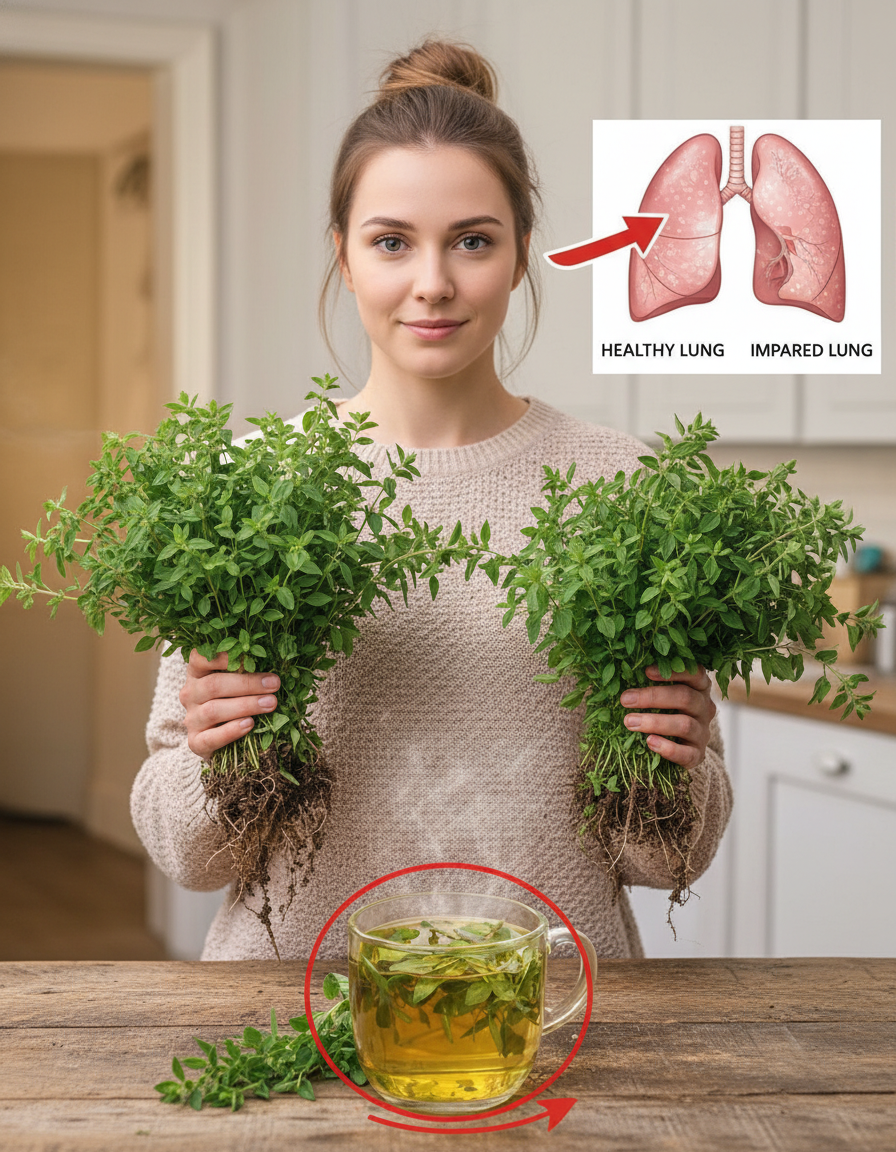
Among the most prominent traditional applications of hoary basil is its role in alleviating symptoms associated with coughs, common colds, or general chest congestion. Within numerous households, the leaves are customarily prepared in various forms:
- As comforting warm herbal teas
- Through simple decoctions
- Via therapeutic steam inhalations
The fragrant vapors emanating from the leaves are widely believed to assist in loosening phlegm and calming irritated respiratory passages. While it’s crucial to understand that such practices do not substitute professional medical treatment, they certainly clarify why this plant is frequently sought out during periods of seasonal respiratory distress. Contemporary research further supports these traditional insights, indicating that aromatic herbs rich in compounds like eugenol and linalool possess properties that may contribute to the relaxation of airway muscles, thereby fostering a feeling of more effortless breathing—an effect often immediately perceived by individuals employing herbal steam.
Antimicrobial Compounds: What Science Is Exploring
The potent essential oils extracted from hoary basil are rich in a spectrum of bioactive compounds, notably including:
- Eugenol
- Citral
- Linalool
Intriguing laboratory investigations conducted on various basil species indicate that these compounds can demonstrate significant antibacterial, antiviral, and antifungal properties. This scientific understanding offers a compelling explanation for hoary basil’s historical application in managing minor infections or serving as a supportive botanical during convalescence. What makes this particularly fascinating is that these compounds are not believed to function as instant, broad-spectrum killers. Rather, their mechanism appears to involve fostering an internal milieu conducive to bolstering the body’s inherent defense mechanisms. This nuanced and supportive action precisely elucidates why traditional herbal remedies are typically employed with gentle consistency, rather than through aggressive intervention.
Anti-Inflammatory Properties in Traditional Contexts
While inflammation is a fundamental biological response, its prolonged presence can lead to persistent discomfort in areas such as joints, muscles, and the digestive system. Traditional healing modalities have historically leveraged hoary basil infusions for their perceived ability to:
- Alleviate widespread bodily aches and pains
- Mitigate feelings of swelling and puffiness
- Enhance overall comfort during times of physical exertion or strain
Contemporary scientific investigations into various basil species propose that specific polyphenols and essential oils found within the plant may actively modulate inflammatory pathways. It’s important to clarify that this doesn’t imply hoary basil serves as a definitive “cure” for inflammation; instead, it provides a scientific rationale for the soothing and comforting effects traditionally attributed to this remarkable herb.
Digestive Support: A Common Everyday Habit
Experiencing digestive discomfort is a remarkably widespread human phenomenon. Symptoms such as bloating, a sensation of heaviness, or mild stomach pain frequently arise following irregular eating patterns or periods of heightened stress. In traditional practices, hoary basil is thoughtfully integrated into various digestive routines, including:
- Preparing gentle teas to be consumed after