 By admin
 Imagine you’re relaxing at home, and your eyes drift to the walls. Do you ever spot peculiar, small, brownish, cocoon-like structures clinging to corners, edges, or even subtly moving? These seemingly innocuous cases are a common sight in humid households, often blending seamlessly with paintwork, ceilings, or baseboards. Initially, many residents might mistake them for stray dust bunnies or bits of debris. However, a closer look reveals they are, in fact, portable shelters crafted by tiny insect larvae. The unsettling truth is that these case-bearing insects can proliferate quietly in damp, overlooked areas, transforming a routine home inspection into an unexpected pest discovery. But don’t fret; with consistent vigilance and straightforward preventative measures, you can effectively manage their presence. Continue reading to learn more about these intriguing creatures and practical strategies for dealing with them.
Decoding the Cases: What Are These Tiny Wall Pests?
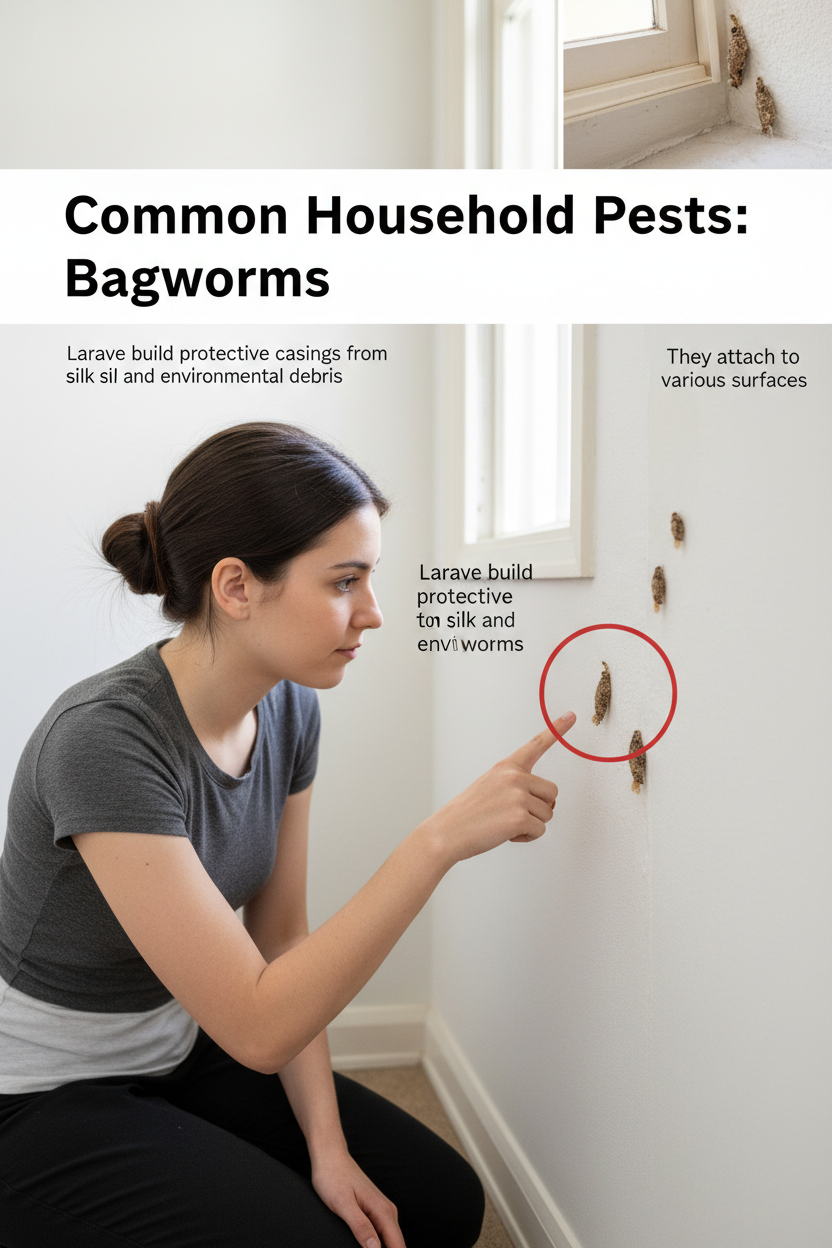
These peculiar structures are actually the protective abodes of household casebearer moth larvae, often recognized by their common name, plaster bagworms (Phereoeca uterella). Unlike most moth cocoons which remain stationary, these resourceful larvae construct mobile ‘bags’ using a blend of silk and readily available household materials such as dust, lint, pet hair, and other minute debris. Typically flattened and oval, these ingenious cases measure approximately 1/4 to 1/2 inch in length. Their ingenious camouflage, often mimicking grayish-brown or sandy wall textures, makes them notoriously difficult to spot until you observe one slowly traversing a surface. Research from reputable sources like university extension services (e.g., UF/IFAS) confirms that these larvae flourish in warm, humid conditions, subsisting mainly on discarded spider webs, dead insects, and various organic detritus. This explains their frequent presence in dusty corners, near ceilings, or tucked away behind furniture where such food sources accumulate.
Moreover, encountering a single plaster bagworm often signals the presence of others. Female moths are known to deposit their eggs in concealed nooks and crannies, facilitating a slow but steady proliferation throughout your home if environmental conditions remain conducive to their growth.
Why Are These Pests Drawn to Your Home? Understanding Their Attractants
Household casebearer moths exhibit a strong preference for environments characterized by persistent moisture and minimal human disruption. Elevated humidity levels, frequently found in bathrooms, kitchens, laundry rooms, or homes situated in tropical zones, provide the perfect breeding ground for their development. Several key factors make your home an inviting habitat for these indoor pests:
- Abundant Spider Webs and Debris: These serve a dual purpose for the larvae, acting as both a food source and essential construction material for their portable cases.
- Secluded, Undisturbed Locations: They thrive in dark, quiet areas such as beneath furniture, inside closets, attics, or along the often-overlooked junctions where walls meet floors.
- Insufficient Airflow: Poor ventilation exacerbates humidity buildup, creating an even more favorable atmosphere that encourages their activity and spread.
Studies consistently show that these humidity-loving pests are particularly common in southern and coastal regions, where warm temperatures and consistent moisture levels prevail throughout the year. Conversely, homes that maintain lower humidity and excellent air circulation typically experience a significant reduction in sightings. On a positive note, these insects pose no direct threat to humans; they neither bite nor sting, and they are not known to cause significant structural damage to your property. Their primary impact is largely aesthetic, as clusters of their distinctive cases can detract from your home’s appearance.
Early Detection: Your Guide to Identifying Plaster Bagworms
Prompt identification of these tiny wall insects is crucial for preventing larger infestations. Here’s a detailed guide on what signs to observe:
- Appearance: Look for small, elongated sacs that might be mistaken for flattened seeds or small lint accumulations. They are frequently adorned with fine particles, enhancing their natural camouflage against surfaces.
- Movement: A key differentiator from static debris is their occasional slow, deliberate movement. You might observe a tiny head or tail emerging from either end of the case as it inches along.
- Preferred Locations: Focus your inspection on common hotspots such as wall-ceiling junctions, room corners, baseboards, and areas around light fixtures where spider webs tend to accumulate.
- Texture: Upon closer inspection, the surface of these cases often feels rough or gritty, akin to sandpaper, due to the embedded debris used in their construction.
Expert Tip: Enhance your detection efforts by using a flashlight during nighttime checks or in poorly lit areas. The cases often become more distinct against shadows, and you might even catch a plaster bagworm actively moving. For definitive confirmation, always cross-reference your findings with images from trusted resources, such as university extension pest guides.
Effective Management: Simple Strategies to Control and Prevent These Pests
Managing household casebearer infestations doesn’t require drastic measures. A proactive approach centered on prevention and diligent removal is highly effective. Here’s a practical, step-by-step guide that many homeowners find successful:
- Conduct Regular Inspections: Dedicate time weekly to thoroughly examine your home, paying extra attention to high-humidity zones. A step stool can be invaluable for reaching elevated corners and ceiling lines.
- Physically Remove Cases: Carefully scrape off any visible cases using a putty knife or detach them with a vacuum cleaner fitted with a suitable attachment. It’s crucial to dispose of the contents outdoors to prevent reintroduction of the larvae.
- Control Indoor Humidity: Implement strategies to keep your indoor humidity levels consistently below 50%. This can be achieved by utilizing dehumidifiers, running fans, and ensuring exhaust vents in bathrooms and kitchens are fully operational.
- Maintain Impeccable Cleanliness: Regular vacuuming of spider webs, dusting of corners, and wiping down surfaces are essential practices. These actions eliminate the organic debris and dead insects that serve as their primary food sources.
- Enhance Air Circulation: Whenever weather permits, open windows to allow fresh air to circulate. Alternatively, using air conditioning can also significantly improve airflow throughout your living spaces.
Furthermore, adopting these additional habits can significantly bolster your defense against these wall pests:
- Seal Entry Points: Meticulously seal any small cracks or gaps in your walls, around window frames, and along baseboards. This helps restrict their access to hidden breeding grounds and reduces overall humidity ingress.
- Declutter Regularly: Minimize clutter, especially in closets and storage areas, to reduce potential hiding spots and make cleaning more effective.