 By admin
 Herbal Hair Revival: Unveiling the Potential of Rosemary, Bay Leaf, Cinnamon, and Clove for Scalp and Strand Health
Are you among the many individuals seeking natural solutions for common hair concerns like excessive shedding, lack of luster, or sluggish growth? The allure of a homemade herbal remedy, such as a spray infused with rosemary, bay leaf, cinnamon, and clove, often sparks interest for its purported ability to nourish the scalp and fortify hair strands. While online trends frequently tout remarkable “follicle awakening” and rapid transformations, it’s crucial to approach these claims with a balanced perspective. The scientific evidence supporting dramatic changes is largely anecdotal, with only a few studies hinting at mild benefits. For instance, rosemary has shown some promise for improving circulation, while cloves and bay leaf are traditionally recognized for their antimicrobial and soothing properties, and cinnamon for its warming effect. However, robust proof of significant or rapid hair growth from such blends remains limited. Remember, hair growth is a complex biological process, averaging about 0.5 inches per month, influenced by genetics, hormones, and overall nutrition; no topical spray can instantly “transform” your hair. Any noticeable improvements, such as enhanced shine or subtle strengthening, typically manifest gradually over several months of consistent use.
Unpacking the Herbal Powerhouses: What Each Ingredient Offers
Let’s delve deeper into the individual components of this botanical blend and explore their traditional uses and any scientific insights:
- Rosemary: This aromatic herb is celebrated for its rosmarinic acid content, known for potentially stimulating blood circulation to the scalp. A small clinical trial even suggested its efficacy in treating alopecia might be comparable to minoxidil, a conventional hair growth treatment, though more extensive research is needed.
- Bay Leaf: Traditionally valued for its soothing properties, bay leaf may help calm scalp irritation. It is also believed to possess antimicrobial qualities, contributing to a healthier scalp environment.
- Cinnamon: Beyond its delightful aroma, cinnamon is often used for its warming effect, which could gently increase blood flow to the hair follicles. It also exhibits mild anti-inflammatory properties that might benefit scalp health.
- Cloves: Rich in eugenol, cloves are recognized for their potent antimicrobial and antiseptic characteristics. This can be beneficial for maintaining a clean and healthy scalp, free from microbial imbalances.
When combined, these ingredients create an aromatic spray that is traditionally popular for promoting scalp comfort and adding a natural sheen to the hair. While rosemary has shown mild promise specifically for patchy hair loss, the benefits attributed to the other ingredients, and the blend as a whole for “new growth,” remain largely anecdotal, with no dedicated clinical trials on this specific combination.
DIY Herbal Hair Spray: Your Step-by-Step Recipe
Eager to try this traditional remedy? Here’s a straightforward recipe to create your own rosemary, bay leaf, cinnamon, and clove hair spray at home:
Ingredients (Yields approximately 1 bottle):
- Fresh rosemary sprigs (about 3-4 sprigs) or 2 tablespoons of dried rosemary
- 3-4 bay leaves
- 2 cinnamon sticks
- 1 tablespoon of whole cloves
- 2 cups of filtered water
- Optional: A few drops of a carrier oil like castor oil or coconut oil for added conditioning
Preparation Instructions:
- Bring the 2 cups of water to a rolling boil in a saucepan.
- Once boiling, add all the fresh or dried herbs and spices (rosemary, bay leaves, cinnamon sticks, and whole cloves) to the water.
- Reduce the heat to a simmer and let the mixture gently steep for 15-20 minutes, allowing the botanicals to infuse their properties into the water.
- Remove the saucepan from the heat and let the herbal infusion cool completely.
- Once cooled, strain the liquid thoroughly to remove all solid herb and spice particles.
- Transfer the strained liquid into a clean spray bottle. If using, add the optional carrier oil at this stage and shake well.
How to Use and Tips:
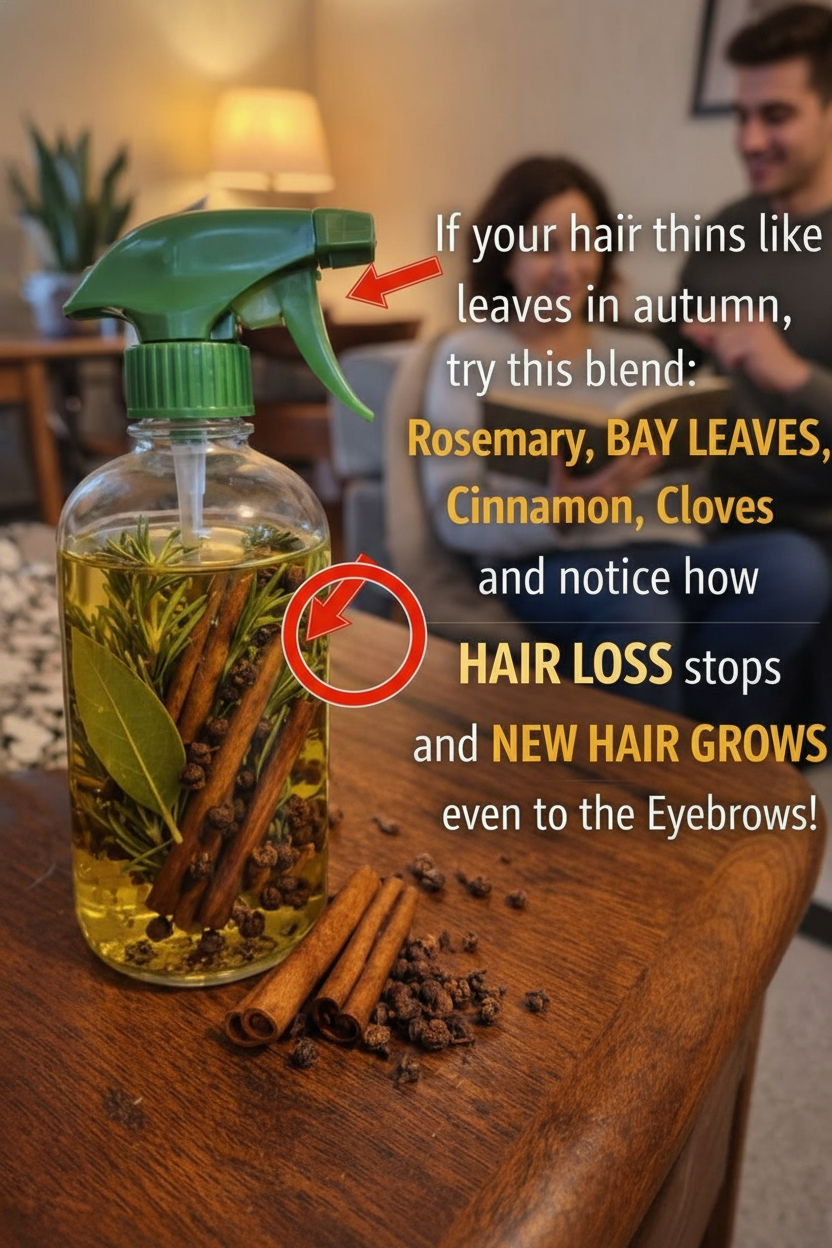
- Application: Spray the tonic directly onto your damp or dry scalp.
- Massage: Gently massage your scalp for a few minutes to help stimulate circulation and ensure even distribution.
- Leave-in: There’s no need to rinse it out; leave it in until your next wash.
- Frequency: Use 3-4 times a week for consistent application.
- Storage: Store the spray in the refrigerator for up to 7-10 days to maintain freshness.
- Important Tip: Always perform a patch test on a small area of your skin 24 hours before widespread use to check for any sensitivities or allergic reactions.
Important Safety Considerations & When to Seek Professional Advice
While natural, it’s essential to use this herbal spray with caution. Keep these safety notes in mind:
- Potential for Irritation: Cloves and cinnamon are potent ingredients. Ensure your spray is adequately diluted, especially if you have a sensitive scalp. Always avoid contact with eyes and open wounds or broken skin on the scalp, as this could cause significant irritation.
- Distinct Aroma: This blend has a strong, spicy, and earthy scent. Consider this when planning your usage, especially if you are sensitive to strong fragrances.
- Not for Sudden Hair Loss: If you are experiencing sudden, significant, or unexplained hair loss, this herbal spray is not a substitute for professional medical assessment. It is crucial to consult a dermatologist or healthcare professional to determine the underlying cause and receive appropriate treatment.
Conclusion: Embracing a Traditional Ritual for Scalp Wellness
In summary, a homemade hair spray featuring rosemary, bay leaf, cinnamon, and clove provides a rich blend of antioxidants and leverages centuries of traditional wisdom for mild scalp support and enhanced hair shine. For many, incorporating this aromatic botanical tonic into their hair care routine can be a delightful and nourishing ritual.
However, it is vital to maintain realistic expectations. While anecdotal accounts can be promising, claims of dramatic “growth awakening” or rapid hair transformation are not substantially backed by scientific evidence. If you choose to explore this remedy, always ensure it is properly diluted, perform a patch test, and enjoy it as a gentle, supportive addition to your routine. For persistent or severe hair concerns, always prioritize professional medical advice from a dermatologist.
Frequently Asked Questions (FAQ)
- Can I expect fast results from this herbal hair spray?
- Any potential benefits, such as subtle improvements in shine or strength, typically emerge gradually over several months of consistent use, if at all. Dramatic overnight results are not realistic.
- Is it safe to use this spray daily?
- For most individuals, using this spray 3-4 times a week is generally recommended. Daily use, especially with potent ingredients like cinnamon and cloves, might increase the risk of scalp sensitivity for some.
- How can I reduce the strong scent of the spray?
- If the spicy aroma is too intense, you could try using slightly less cinnamon and cloves in your recipe. Alternatively, after straining, you might add a few drops of a milder-scented essential oil (like lavender or peppermint, if tolerated) to the cooled spray, ensuring thorough mixing.
Important Disclaimer
The information provided in this article regarding the rosemary, bay leaf, cinnamon, and clove hair spray is intended for general informational purposes only and should not be considered as medical advice. While some traditional uses and limited studies suggest potential benefits, the scientific evidence for significant hair growth or transformation from this specific blend is limited and largely anecdotal. Always perform a patch test before widespread use to check for potential skin sensitivities or allergic reactions. Individual results may vary significantly. We strongly advise consulting with a qualified dermatologist or healthcare professional for any specific hair or scalp concerns, especially in cases of sudden hair loss or persistent irritation. This homemade remedy is not a substitute for professional medical diagnosis or treatment.