 By admin
 Did you know that oxidative stress is implicated in nearly 200 chronic health conditions globally, including heart disease, diabetes, and the processes of premature aging? While your body naturally generates free radicals as a byproduct of metabolism, an imbalance can lead to these reactive molecules overwhelming your system, causing damage to cells and organs. This is precisely where antioxidants become crucial—these protective compounds, found abundantly in plants, work to neutralize harmful free radicals and safeguard your body from within.
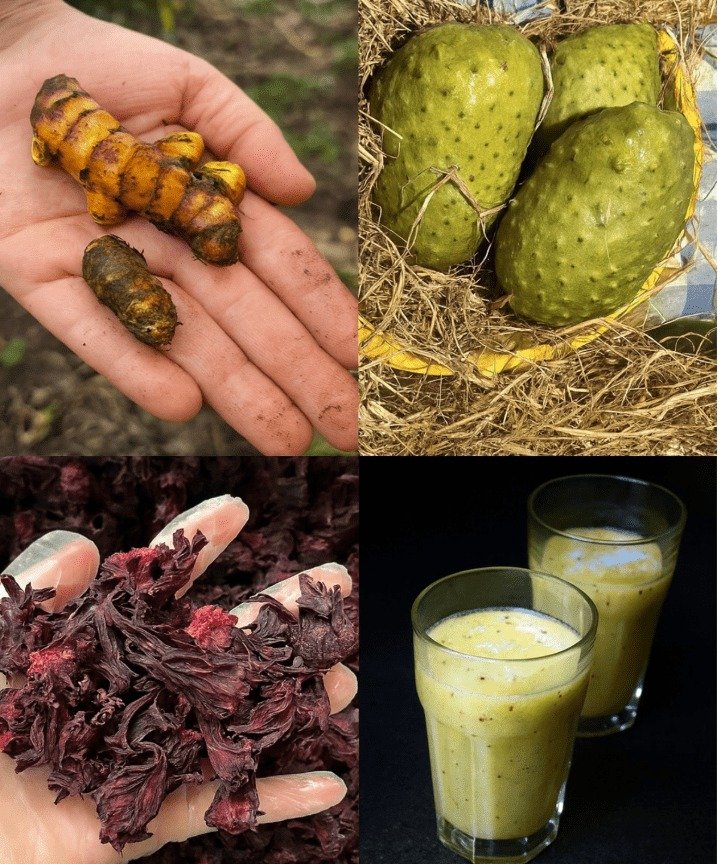
From the extensive array of antioxidant-rich foods available, three exceptional natural ingredients truly distinguish themselves: turmeric, soursop, and hibiscus. Each of these potent botanical treasures boasts profound cultural significance and is gaining increasing validation from scientific research. Turmeric, revered as the golden spice across Asia; soursop, a distinctive tropical fruit known for its unique tangy flavor; and hibiscus, a beautiful ruby-red flower beloved in beverages worldwide—all are celebrated for their contributions to health and vitality.
Within this article, we will delve into the mechanisms of these three natural allies, uncover what makes their antioxidant profiles particularly remarkable, and provide practical suggestions for seamlessly integrating them into your daily routine.
Turmeric: The Golden Root of Healing
For over 4,000 years, turmeric has been a cornerstone of Ayurvedic and traditional Chinese medicine. Its most recognized active compound, curcumin, is a potent polyphenol renowned for its powerful antioxidant and anti-inflammatory properties.
Antioxidant Benefits of Turmeric
- It effectively neutralizes free radicals that can cause damage to DNA and cell membranes.
- It boosts the activity of the body’s intrinsic antioxidant enzymes, such as superoxide dismutase (SOD).
- It offers protection to liver cells from stress induced by toxins.
Modern Findings
Contemporary research indicates that curcumin may play a significant role in supporting cognitive function, alleviating joint inflammation, and promoting overall cardiovascular wellness. Its notable ability to traverse the blood-brain barrier makes it a particularly compelling subject for studies concerning neuroprotection.
Easy Uses
- Incorporate a teaspoon of turmeric into your curries, soups, or stir-fries for added flavor and benefits.
- Prepare a comforting “golden milk” latte by combining turmeric, a pinch of black pepper (to enhance absorption), and warm milk.
- Blend turmeric into your favorite smoothies for a subtle, earthy undertone.
Soursop: The Tropical Fruit with a Tangy Secret
Soursop (Annona muricata), also recognized as graviola or guanabana, is a distinctive spiny green fruit characterized by its creamy white pulp and a delightful sweet-sour taste. Beyond its appealing flavor, soursop is packed with powerful antioxidants, including vitamin C, acetogenins, and flavonoids.
Antioxidant Benefits of Soursop
- It is an excellent source of vitamin C, which directly scavenges and neutralizes free radicals.
- It contains acetogenins, compounds currently under investigation for their potential protective effects against abnormal cell proliferation.
- It may help bolster immune system function and contribute to the reduction of inflammation throughout the body.
Traditional Uses
In the traditional folk medicine of the Caribbean and Latin America, soursop leaf tea has been historically employed for its calming effects on the nervous system, while the fruit’s pulp is consumed to support immunity and enhance overall vitality.
Easy Uses
- Enjoy fresh soursop pulp on its own as a nutritious snack.
- Blend it into smoothies or juices for an invigorating tropical flavor.
- Prepare soursop leaf tea for a mild and traditional beverage.
Note: It is important to use soursop leaves or extracts with caution. Consult a healthcare provider regarding excessive or prolonged consumption.
Hibiscus: The Ruby-Red Flower of Wellness
Hibiscus sabdariffa, commonly known as roselle, has achieved widespread global popularity as the foundation for vibrant, tart, ruby-red teas. Its robust antioxidant profile is attributed to key compounds such as anthocyanins, flavonoids, and vitamin C.
Antioxidant Benefits of Hibiscus
- Anthocyanins, the same powerful compounds found in blueberries, are crucial for protecting blood vessels and supporting cardiovascular health.
- It aids in mitigating oxidative stress, which is often linked to high blood pressure.
- It provides a significant dose of vitamin C, enhancing immune resilience and promoting vibrant skin.
Traditional Uses
Hibiscus tea, known as agua de jamaica in Mexico and karkadé in Egypt, has served as a refreshing health tonic for many centuries. It is frequently consumed chilled in warm climates to help cool the body and support healthy circulation.
Easy Uses
- Steep hibiscus flowers in hot water to create a tart tea, perfect served either hot or iced.
- Combine hibiscus tea with citrus juice for a vitamin-rich and refreshing summer drink.
- Utilize hibiscus concentrate in various sauces or desserts to add both flavor and a beautiful natural color.
Comparing Their Antioxidant Strengths
| Plant | Key Antioxidants | Primary Benefits | Best Consumed As |
|---|---|---|---|
| Turmeric | Curcumin, polyphenols | Anti-inflammatory, neuroprotective | Spice, golden milk, smoothies |
| Soursop | Vitamin C, acetogenins, flavonoids | Immune support, cellular protection | Fresh fruit, juice, leaf tea |
| Hibiscus | Anthocyanins, vitamin C | Cardiovascular, circulation, skin health | Tea (hot/iced), juice |
Collectively, these three ingredients form a truly complementary trio—turmeric contributes powerful anti-inflammatory effects, soursop offers a robust immune system boost, and hibiscus provides significant support for heart health and skin vitality, creating a synergistic and balanced antioxidant effect.
How to Combine Them in Daily Life
- Morning: Begin your day with a comforting glass of warm turmeric golden milk.
- Afternoon: Rejuvenate yourself with a refreshing glass of iced hibiscus tea.
- Evening: Savor a small serving of fresh soursop smoothie.
This straightforward daily regimen allows you to introduce a diverse range of antioxidants into your diet without making your meals overly complicated.
Cultural Insights
- In India, turmeric holds a sacred status, symbolizing purity and profound healing.
- Throughout the Caribbean, soursop is a cherished household fruit, frequently given to children to foster resilience.
- Across Africa and the Middle East, hibiscus tea is a powerful symbol of hospitality and a staple at community gatherings.
By embracing these natural foods, you not only enhance your personal health but also forge a connection with rich, time-honored traditions that span continents.
Conclusion
Turmeric, soursop, and hibiscus are far more than just contemporary superfood trends—they are historically proven plants with immense antioxidant capabilities. When incorporated together, they can actively help your body combat the detrimental effects of oxidative stress, enhance circulation, strengthen your immune defenses, and contribute to radiant skin and sustained energy levels.
FAQs
Can I take turmeric, soursop, and hibiscus every day?
Yes, when consumed in moderate quantities, these can be safely integrated into a healthy daily diet. It is always important to maintain balanced intake and consult with a healthcare professional, especially if you manage chronic health conditions.
Do these herbs replace supplements or medication?
No, absolutely not. These natural remedies are intended to complement a healthy lifestyle and existing medical care, not to serve as replacements for prescribed medications or essential supplements.
Any safety concerns?
- Turmeric: Very high doses might lead to digestive discomfort.
- Soursop: Excessive or prolonged use of leaf extracts could potentially result in adverse side effects.
- Hibiscus: It has the potential to lower blood pressure, so if you are currently taking blood pressure medication, it’s advisable to monitor your levels closely.
Disclaimer: This article is provided strictly for educational purposes. It should not be considered a substitute for professional medical advice, diagnosis, or treatment. Always consult with your healthcare provider before implementing any significant dietary modifications.