 By admin
 Harnessing Guava Leaf Tea: Traditional Wisdom for Kidney and Urinary Health
Many individuals occasionally experience mild discomfort within their urinary system or a feeling of sluggishness in their kidneys. Such sensations can often arise after demanding days, periods of dehydration, or dietary choices that don’t optimally support fluid balance. These subtle disruptions can impact daily routines, leading to a search for gentle, natural approaches to bolster everyday well-being.
Across various cultures, ancient herbal practices have consistently turned to straightforward plant-based solutions to promote urinary comfort and support kidney function holistically. Among these time-honored remedies, guava leaf tea stands out. This light, herbal infusion, created by gently simmering the leaves of the guava tree, has garnered significant appeal. But what exactly makes this age-old ritual so widely embraced? We will delve into its traditional significance, explore insights from modern research, and provide guidance on how to safely incorporate it into your routine – including a crucial preparation tip often overlooked, which we’ll unveil towards the end.
Guava Leaves: A Cornerstone of Traditional Wellness Practices
Guava (Psidium guajava) is a well-known tropical tree, celebrated globally for its delectable fruit. Yet, in numerous cultures, particularly across parts of Asia, Latin America, and the Pacific, its leaves have long held a revered position in home remedies passed down through generations. Historically, people have prepared a mild tea from these leaves to support general urinary tract comfort and foster a sense of lightness and vitality within the kidneys.
This practice is far from novel; extensive ethnobotanical studies consistently highlight the inclusion of guava leaves in folk traditions aimed at bladder and urinary system support. The leaves are highly valued for their rich array of natural compounds, which collectively contribute to the plant’s esteemed profile in traditional wellness regimens. Scientific investigations into guava leaves reveal a potent blend of phytochemicals, including beneficial flavonoids like quercetin, phenolic acids such as gallic and chlorogenic acid, and various other powerful antioxidants. These constituents are widely recognized for their role in fortifying the body’s innate antioxidant defenses and promoting healthy fluid balance.
Research, including studies conducted on animal models, has explored how extracts from guava leaves might contribute to maintaining healthy kidney markers, such as balanced urea and creatinine levels, under specific conditions. For example, certain inquiries suggest protective effects against oxidative stress within renal tissues, attributed to the leaves’ robust antioxidant properties. While a significant portion of this evidence stems from laboratory and animal studies, these findings resonate with why traditional users incorporate guava leaf tea as a regular, soothing custom rather than merely a temporary fix.
Why Guava Leaf Tea Stands Out Among Herbal Remedies
Guava leaf tea distinguishes itself through its remarkably mild flavor profile and effortless preparation. Unlike some more potent herbal infusions, it offers a delicate, subtly earthy taste that many find refreshingly palatable and easy to enjoy daily. Here’s a brief overview of why it remains a preferred choice for daily wellness routines:
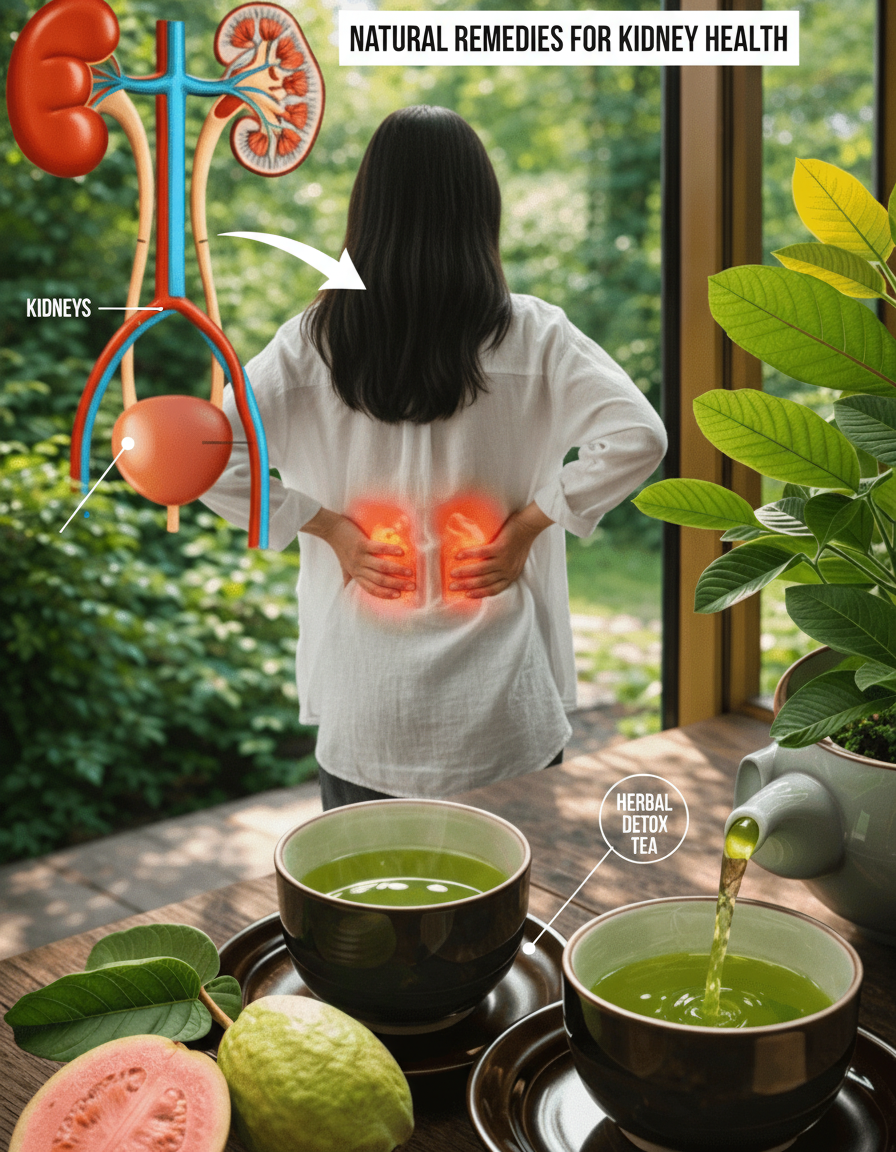
- Gentle & Inviting: Its light color and subtle flavor make it ideal for consistent consumption without overpowering the taste buds.
- Accessible Sourcing: Leaves are readily available from garden trees or reputable suppliers in many tropical and subtropical regions.
- Flexible Consumption: Often savored after meals or in the evening, it contributes to relaxation and overall comfort.
- Cultural Heritage: Deeply embedded in traditions where it’s slowly brewed for sustained health and well-being.
Beyond its pleasant characteristics, its impressive antioxidant composition adds another compelling dimension for those committed to proactive everyday health maintenance.
Unveiling the Bioactive Compounds in Guava Leaves for Wellness
Guava leaves are packed with a diverse range of bioactive elements that underpin their enduring reputation for promoting wellness:
- Flavonoids (e.g., Quercetin, Kaempferol): These plant pigments are renowned for their potent antioxidant capabilities, helping to neutralize free radicals.
- Phenolic Acids (e.g., Gallic Acid, Ferulic Acid): Powerful antioxidants that actively support the body in combating oxidative stress.
- Tannins and other Polyphenols: Contribute to the plant’s natural astringent qualities and are believed to offer gentle support for urinary comfort.
Animal studies have consistently indicated that these intricate compounds may play a role in sustaining balanced kidney function by bolstering antioxidant activity and mitigating markers of stress in renal tissues. A comprehensive review of guava leaves’ phytochemical profile further underscores their significant contribution to holistic health through these inherent natural defense mechanisms.
Brewing Your Own Guava Leaf Tea: A Simple Guide
Incorporating guava leaf tea into your daily life is remarkably straightforward and can seamlessly fit into your routine. Here’s a safe, simple method, drawing from time-honored traditional practices, to prepare your own:
- Source Your Leaves: Begin by gathering 5–10 young, pristine fresh guava leaves, or use 1–2 tablespoons of dried leaves. It is absolutely crucial to ensure your leaves are from a verified pesticide-free source to avoid harmful chemical exposure.
- Thoroughly Cleanse: Rinse the leaves meticulously under cool running water to eliminate any surface dirt, dust, or potential debris.
- Prepare Your Water: Bring 2–3 cups of fresh water to a rolling boil in a clean saucepan. Once boiling, reduce the heat to a gentle simmer.
- Infuse the Leaves: Carefully add the prepared guava leaves to the simmering water. Allow them to steep and simmer slowly for a period of 10–15 minutes. This gentle simmering process allows the beneficial compounds to be effectively extracted into the water.
- Strain and Serve: After simmering, remove the saucepan from the heat. Carefully strain the tea through a fine-mesh sieve into your favorite cup, discarding the spent leaves.
- Enjoy (Optional Enhancements): Your guava leaf tea is now ready to enjoy! It can be consumed warm or chilled. For a touch of natural sweetness, you may add a small amount of honey or a slice of lemon, though many prefer its subtle, natural flavor as is.
A surprising insight many overlook: For optimal extraction of beneficial compounds and a richer flavor, always use fresh, clean water and avoid re-boiling previously boiled water. Additionally, ensure the leaves are gently simmered, not vigorously boiled, to preserve their delicate active ingredients.