 By admin
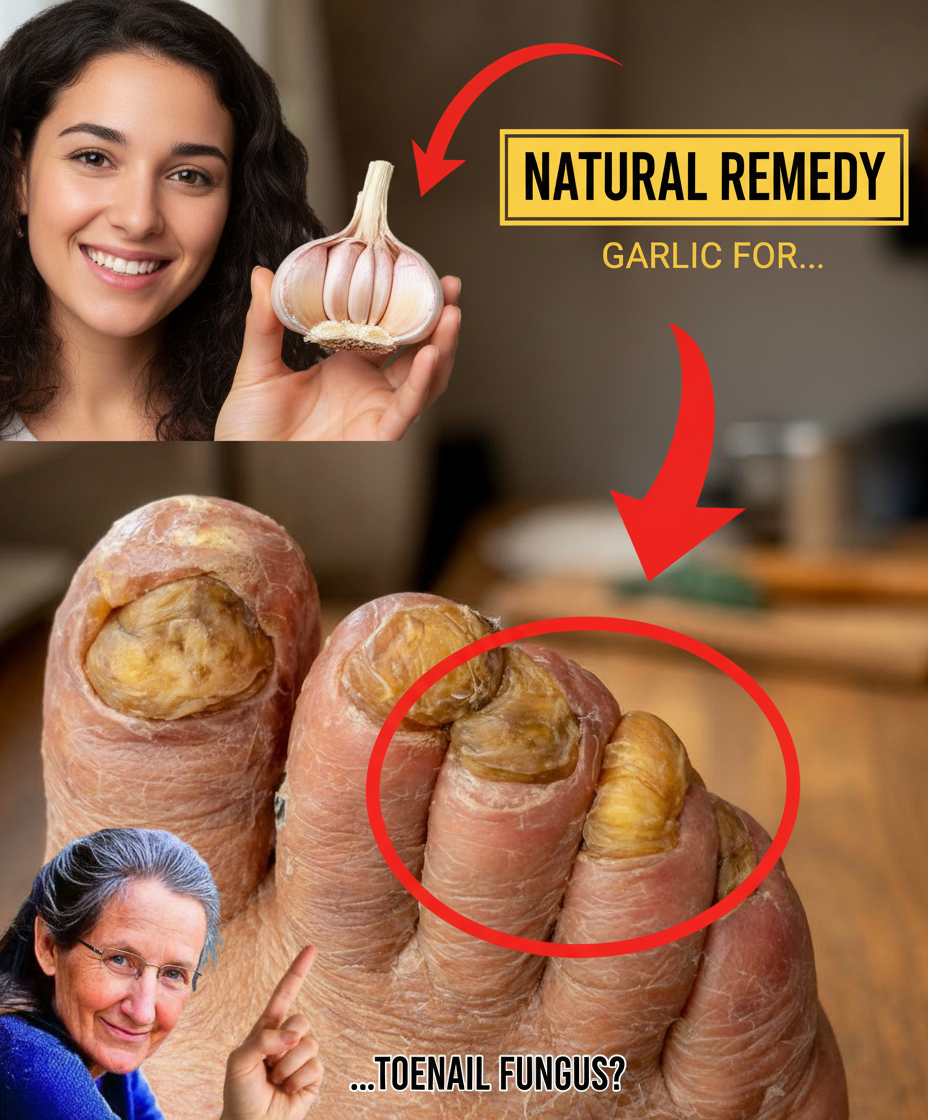
 Garlic (Allium sativum) has long been recognized as a potent natural antifungal agent, making it a popular choice among home remedies for tackling fungal nail infections, medically known as onychomycosis. Its remarkable healing capabilities stem primarily from a powerful compound called Allicin. This active ingredient exhibits significant fungicidal activity, directly targeting the various organisms responsible for these persistent nail infections. While extensive human clinical trials proving its efficacy as a sole cure are still emerging, numerous laboratory and small animal studies consistently affirm its robust properties, positioning garlic as a highly valuable supportive treatment.
I. 🔬 Unpacking the Science: Garlic’s Antifungal Power
1. Allicin: The Core Fungicidal Mechanism
The magic begins when raw garlic is crushed. This action activates the enzyme alliinase, which then transforms alliin into Allicin. Allicin, an unstable yet highly reactive sulfur compound, works by directly interfering with crucial enzymes and thiol groups within fungal cells. This disruption severely impairs their metabolic processes and compromises their structural integrity, effectively halting fungal growth.
Evidence from in vitro (test tube) studies strongly supports Allicin’s broad-spectrum effectiveness against a range of fungi. This includes common culprits like Candida albicans and various dermatophytes, which are frequently implicated in stubborn nail infections.
2. Overcoming the Penetration Hurdle
A significant obstacle for any topical treatment, whether natural or pharmaceutical, is effectively penetrating the dense, non-living nail plate to reach the underlying fungal infection. Simply applying raw garlic directly may not deliver the concentrated dose of Allicin required to successfully combat moderate to severe infections.
To enhance efficacy, it’s highly advisable to combine crushed garlic with a penetration-boosting agent. Incorporating a carrier oil, for instance, can significantly improve the delivery of the active compounds to the affected area, leading to more promising outcomes.
II. 🏡 Your DIY Solution: The Garlic Paste & Oil Method
Ingredients You’ll Need:
- 2-3 fresh, raw garlic cloves 🧄
- 1 tablespoon of olive oil or coconut oil (your chosen carrier oil) 🥥
- A small bandage or medical gauze tape
Step-by-Step Preparation and Application:
- Crush and Activate: Begin by peeling and then thoroughly crushing or finely mincing the fresh garlic cloves. Allow the crushed garlic to sit undisturbed for approximately 10 minutes. This crucial waiting period maximizes the activation and release of Allicin.
- Form the Paste: Next, combine the activated garlic with your chosen carrier oil (olive or coconut oil) to form a smooth paste.
- Prepare the Nail: Ensure the affected nail is meticulously cleaned and completely dry. Gently file the surface of the infected nail. This subtle abrasion helps create tiny channels, significantly improving the paste’s ability to penetrate.
- Apply Generously: Apply the freshly prepared garlic-oil paste directly onto the entire surface of the infected nail. Extend the application to the surrounding cuticle and skin for comprehensive coverage.
- Secure the Treatment: Carefully cover the treated nail with a small bandage or a piece of gauze tape. This will keep the paste securely in place and prevent it from rubbing off.
- Treatment Duration: Leave the garlic paste on the nail for 30 minutes to 1 hour.
Frequency and Commitment:
For optimal results, repeat this application process daily for several weeks. It’s vital to understand that treating onychomycosis demands significant long-term commitment, often spanning several months, as the infected nail must completely grow out and be replaced by healthy nail tissue.
III. ⚠️ Crucial Safety and Efficacy Considerations
Avoid Application on Broken Skin
Under no circumstances should raw garlic be applied to open cuts, wounds, or any bleeding areas on the skin surrounding the nail. Garlic’s potent compounds can cause significant irritation or even chemical burns on compromised skin, potentially worsening the condition.
Garlic as a Complement, Not a Cure-All
While garlic can serve as a beneficial supportive home remedy for nail fungus, it is not a substitute for professional medical treatment. If you are dealing with a moderate to severe infection, experience pain, notice the infection spreading, or suspect the nail matrix is involved, it is imperative to consult a podiatrist or general physician. Prescription topical or oral antifungal medications remain the established and most proven treatments for such conditions.
Special Caution for Diabetics and Those with Circulatory Issues
Individuals living with diabetes or experiencing circulatory problems must exercise extreme caution and ideally avoid self-treating any foot or nail conditions. These underlying health issues significantly increase the risk of severe complications from home remedies, making professional medical guidance absolutely essential.