 By admin
 The unwelcome appearance of household pests—be it a line of ants marching across your countertop, the unsettling rustle of cockroaches in the dark, or signs of rodents—can quickly transform a comfortable home into a source of stress. Beyond the sheer nuisance, these invaders pose risks of spreading germs, contaminating food, and causing general discomfort. While many homeowners instinctively reach for potent chemical solutions, these often come with drawbacks: persistent odors, potential hazards to children and pets, and the frustrating reality that pests frequently return.
But what if an accessible, everyday item from your kitchen pantry could offer a more gentle approach to managing these unwanted guests? Baking soda, or sodium bicarbonate, has emerged as a popular natural alternative in the realm of home pest control. This comprehensive guide will delve into the practical applications of baking soda for various common pests, explore the science behind its purported effectiveness, and provide actionable steps you can implement today. Keep reading to discover how integrating baking soda with smart preventative measures can significantly enhance your home’s defense against pests.
Why Baking Soda is a Popular Topic in Natural Pest Control
Baking soda (chemically known as sodium bicarbonate) offers several appealing qualities for those seeking natural pest control solutions. It’s remarkably affordable, widely available in most households, and generally considered non-toxic to humans and pets when used appropriately. The primary theory behind its effectiveness as a pest deterrent revolves around its interaction with the digestive systems of certain insects and rodents.
When pests ingest baking soda, particularly when mixed with an attractive food source, it’s believed to react with their stomach acids, producing carbon dioxide gas. For creatures unable to properly expel gas (like many insects and some rodents), this internal buildup can cause significant discomfort, internal disruption, and potentially be fatal if consumed in sufficient quantities. For instance, scientific observations and studies, particularly concerning ants, indicate that sodium bicarbonate can interfere with their internal chemistry through either direct contact or ingestion over time.
However, it’s crucial to manage expectations: baking soda is not a miraculous cure-all for pest problems. Its utility shines brightest as one component within a broader, integrated pest management strategy. The success of baking soda applications can vary significantly based on the specific pest, the scale of the infestation, and the consistency of its application. Experts often highlight its greater reliability for certain crawling insects compared to others, emphasizing that it’s rarely sufficient to resolve severe infestations independently. As with any home remedy, safety remains paramount: always ensure any baking soda mixtures are placed out of reach of children and household pets.
How Baking Soda May Assist with Common Household Pests
The efficacy of baking soda varies considerably depending on the type of pest. Let’s explore its potential applications for some common household invaders:
Cockroaches
Despite their notorious resilience, many homeowners have reported positive results using baking soda as part of a baiting strategy against cockroaches. The principle is that when roaches consume bait containing sodium bicarbonate, the subsequent reaction with their stomach acids creates gas. Since cockroaches lack the ability to easily expel this gas, it can lead to internal distress and potential harm.
Ants
Ants are excellent candidates for bait-based pest control due as they forage for food and carry it back to their colony. A mixture of baking soda and a sweet attractant can entice worker ants. Studies and anecdotal evidence suggest that if a sufficient amount of the baking soda mixture is ingested, it can disrupt their digestive system, potentially impacting the colony over time.
Mice and Rodents
The proposed mechanism for mice and other rodents is similar to that for insects: the inability to burp leads to gas buildup in their digestive tracts after ingesting baking soda. However, pest control experts widely advise against relying on baking soda for rodent control. They caution that rodents typically do not consume enough of the substance for it to be reliably effective, and it is not considered a humane or consistently successful method for addressing rodent infestations.
Other Pests: Bed Bugs, Fleas, and More
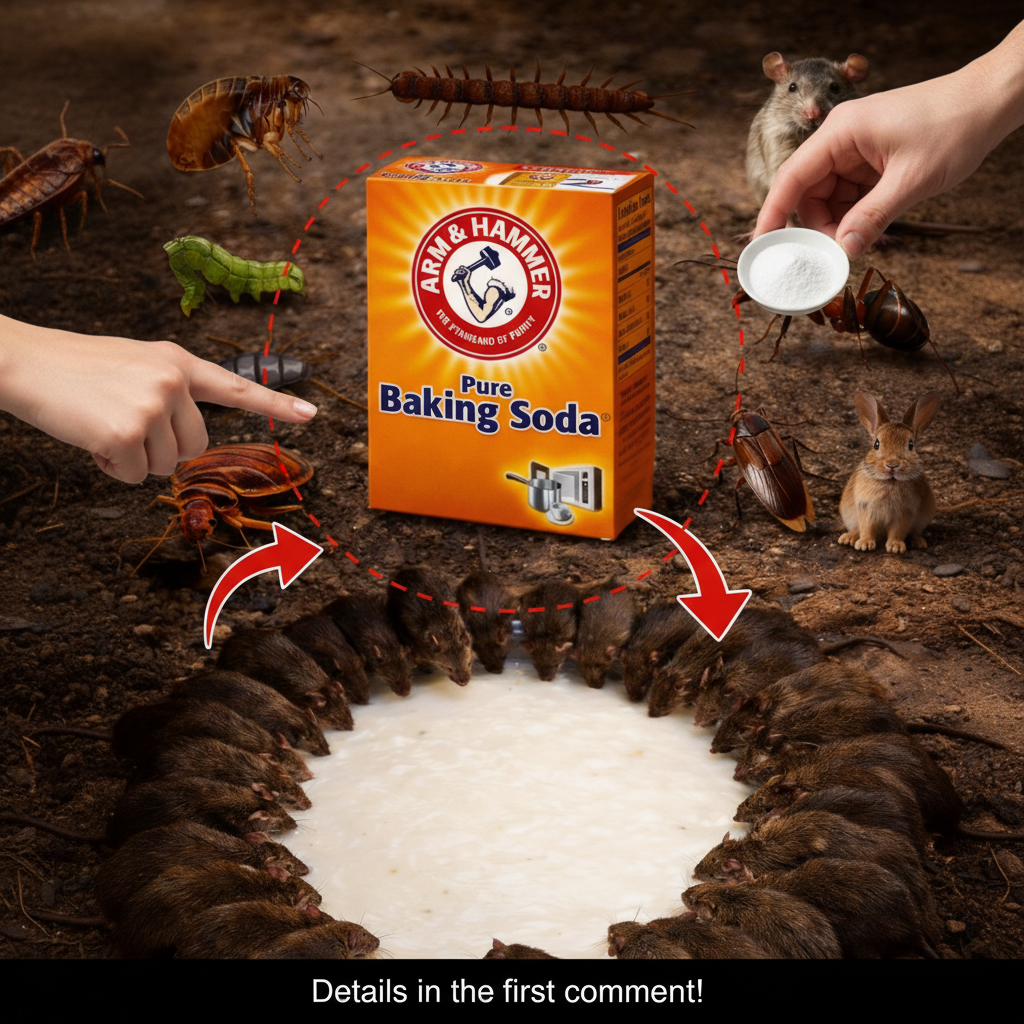
Some individuals suggest sprinkling baking soda on surfaces to combat pests like bed bugs or fleas, theorizing that it might cause dehydration upon contact. Nevertheless, authoritative sources and scientific research offer minimal support for baking soda’s strong effectiveness against these types of pests. For genuine infestations of bed bugs, fleas, or similar tenacious insects, professional pest control intervention is almost always recommended.
Ultimately, baking soda’s greatest utility often lies in its role as a preventative measure and a mild deterrent for minor pest issues, rather than a definitive solution for complete eradication.
Practical Methods for Using Baking Soda in Pest Management
For those interested in attempting baking soda as a natural approach to pest control, here are some practical, step-by-step methods. These techniques primarily involve creating ingestible baits (most effective for ants and cockroaches) or employing a sprinkling method for direct contact.
1. Basic Ant and Cockroach Bait Recipe
This simple bait aims to attract pests with sugar while delivering the baking soda.
- Ingredients: Equal parts baking soda and powdered sugar (or granulated sugar). A good starting point is 1/4 cup of each.
- Preparation: Thoroughly mix the baking soda and sugar together until they are uniformly combined. The sugar acts as an irresistible attractant, while the baking soda is the active ingredient upon ingestion.
- Placement: Distribute small quantities of the mixture in shallow lids, bottle caps, or on small pieces of cardboard. Strategically place these baits in areas where you’ve observed pest activity, such as along baseboards, beneath sinks, behind kitchen appliances, or near known entry points.
- Important Note: Ensure the bait remains dry, as moisture can reduce its effectiveness and appeal.
- Maintenance: Replenish the bait every few days and monitor the areas for a week or two. Regularly vacuum up any old bait to maintain hygiene.
2. For Mice and Rodents (Proceed with Extreme Caution)
While often suggested in home remedies, it’s vital to reiterate the expert warnings regarding the unreliability and potential inhumanity of using baking soda for rodent control. If you choose to attempt this method despite the caveats, here’s how it’s typically done:
- Adaptation: Mix baking soda with an appealing food source like peanut butter, flour, or oats to create an attractive bait.
- Placement: Place this mixture inside dedicated bait stations—covered containers with small entry holes. This helps to target rodents while minimizing accessibility for children or other household pets.
- Monitoring: Check these stations daily. If there’s no sign of activity, remove the bait.
3. Sprinkling Method for Crawling Pests
This method is sometimes suggested for pests like ants, aiming for direct contact.
- Application: Lightly dust a fine layer of baking soda along cracks, crevices, window sills, or known pest trails where crawling insects are frequently seen.
- Mechanism: The idea is that pests crawling over the baking soda might ingest it as they groom themselves or that it could potentially have a dehydrating effect.
Integrating Baking Soda into Your Pest Prevention Strategy
Baking soda presents itself as an economical and generally safe option for tackling minor pest issues and contributing to a proactive pest management strategy. While it offers a gentle alternative to harsh chemicals for common household invaders like ants and cockroaches, it’s critical to understand its limitations. It is most effective as a supplementary tool within an integrated pest management (IPM) approach, which combines various strategies for long-term control.
Remember that for significant infestations, or for pests like rodents, bed bugs, or fleas, professional pest control services remain the most reliable and often necessary solution. Always prioritize safety by keeping any mixtures out of reach of children and pets, and ensure proper hygiene by regularly cleaning affected areas.
By thoughtfully incorporating baking soda into your routine—especially alongside consistent cleaning, sealing entry points, and eliminating food and water sources—you can create a less hospitable environment for pests, moving closer to a naturally pest-free home.