 By admin
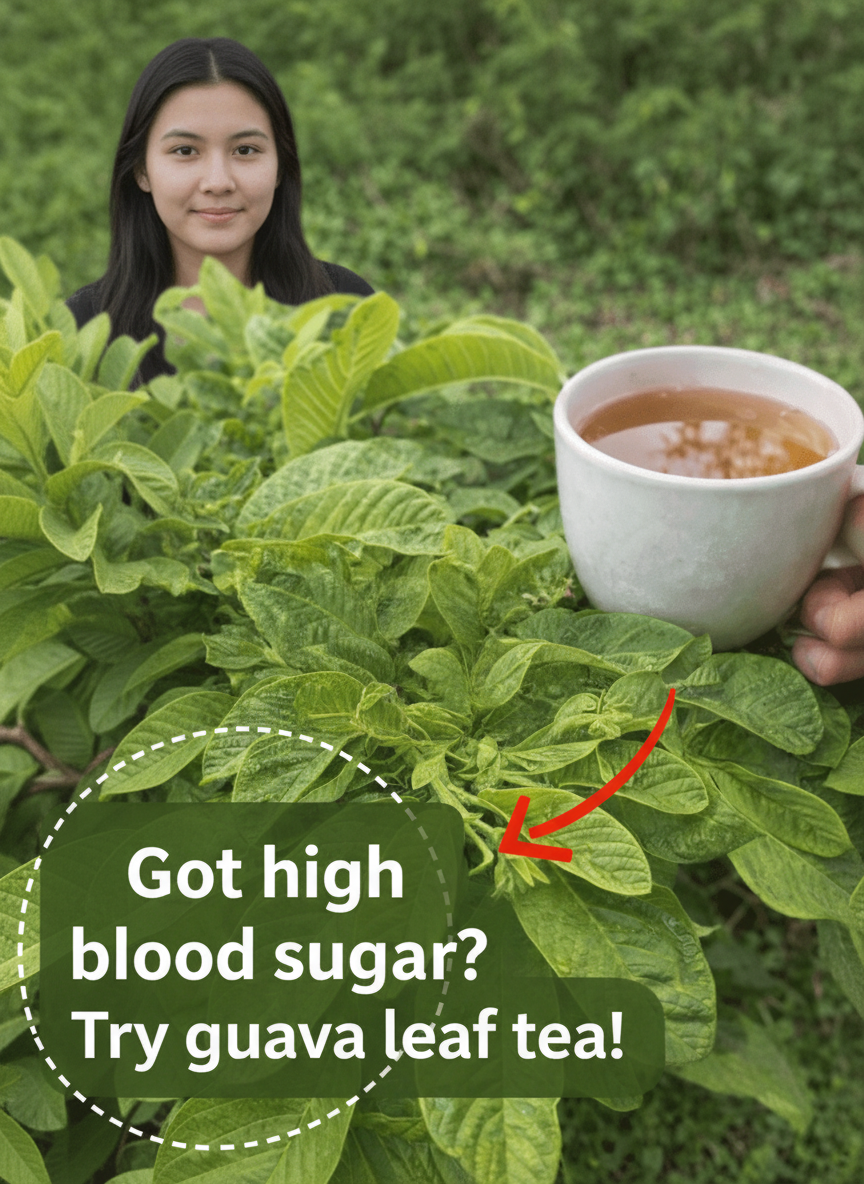
 Guava Leaf Tea: Your Natural Morning Ritual for Balanced Blood Sugar
Navigating the challenges of elevated blood sugar can be daunting. The persistent tiredness, sudden drops in energy, and the constant concern over dietary choices often prompt a search for gentle, natural methods to complement your health regimen. Increasingly, individuals are exploring traditional herbal remedies to enhance their well-being, and among these, a calming morning brew crafted from guava leaves has garnered considerable interest. Emerging research indicates that specific compounds within guava leaves might play a role in moderating post-meal blood glucose responses, positioning this tea as a compelling addition to your daily routine. Intrigued? This comprehensive guide will delve into the full, straightforward recipe and explain precisely why integrating a cup into your morning habits could be a game-changer for your blood sugar management. Continue reading to learn how to safely prepare this beneficial tea at home.
What Makes Guava Leaves a Game-Changer for Glucose Management?
Guava leaves, sourced from the Psidium guajava plant, have been a staple in traditional wellness practices across diverse cultures in Asia, Latin America, and other regions for countless generations. Modern scientific inquiry is now focusing on their rich composition of natural compounds, including flavonoids (such as quercetin), polyphenols, and tannins. Studies, encompassing both animal models and preliminary human trials, are shedding light on how these elements may positively influence carbohydrate metabolism and digestion.
For instance, specific research indicates that extracts from guava leaves can inhibit enzymes like alpha-glucosidase. This action effectively slows down the breakdown of starches and complex sugars in the digestive tract, which can lead to a more gradual and controlled rise in blood glucose levels after eating. In one crossover clinical trial involving participants managing type 2 diabetes, consuming guava leaf tea alongside standard meals demonstrated a reduction in postprandial (after-meal) blood sugar elevations when compared to control groups. While the effect was milder than some pharmaceutical interventions, it highlights a promising natural approach.
Further reviews also suggest potential advantages for improving insulin sensitivity and supporting overall metabolic health in preclinical settings. But the benefits extend beyond glucose regulation: these remarkable leaves are also packed with antioxidants that actively combat oxidative stress, a common concern in individuals with persistently high blood sugar levels.
Key Potential Benefits Backed by Emerging Research
While larger-scale human clinical trials are still needed to fully substantiate these claims, preliminary evidence offers compelling insights into the potential advantages of incorporating guava leaf tea into your wellness routine:
- Supports Stable Post-Meal Glucose Levels: By potentially decelerating the absorption of sugars from food, it helps maintain more balanced blood sugar responses after meals.
- May Enhance Insulin-Related Pathways: Some animal research connects its compounds to improved signaling within crucial pathways like PI3K/Akt, which are vital for insulin function.
- Offers Powerful Antioxidant Protection: It assists in mitigating markers of oxidative damage, particularly relevant in models experiencing chronic elevated blood sugar.
- Provides Additional Wellness Perks: Traditional uses frequently cite benefits for digestive comfort and contributing to general well-being.
It’s important to remember that these insights stem from studies on various forms of guava leaf extracts or teas, and individual results can differ based on preparation methods, dosage, and personal physiological factors.
Guava Leaf Tea vs. Other Herbal Alternatives: A Quick Comparison
When considering natural support for stable blood sugar, how does guava leaf tea stack up against other popular herbal options?
- Guava Leaf Tea: This herbal infusion is naturally caffeine-free and primarily focuses on supporting post-meal glucose responses through natural enzyme inhibition. It offers a mild, earthy flavor.
- Green Tea: Rich in catechins, green tea is known for its metabolic benefits, but its caffeine content may not be suitable for everyone.
- Cinnamon Tea: Certain studies suggest cinnamon may help with insulin sensitivity. It’s often combined with other herbs for synergistic effects.
- Bitter Melon Tea: Traditionally used for glucose balance, bitter melon has a distinct, strong flavor and may carry potential side effects for some individuals.
Guava leaf tea distinguishes itself with its subtle taste and remarkable accessibility, especially if you have access to fresh leaves or readily available dried options.
How to Brew Your Own Guava Leaf Tea: A Simple Step-by-Step Recipe
Ready to embrace this soothing morning ritual? Here’s an easy, home-friendly method to prepare your own guava leaf tea. Always prioritize using clean, pesticide-free leaves—ideally sourced from your garden or a trusted organic supplier.
Ingredients (for 1-2 servings):
- 6-8 fresh, young guava leaves (or 1-2 tablespoons of dried guava leaves if fresh are unavailable)
- 2 cups (approximately 500 ml) of filtered water
- Optional: A small slice of fresh ginger or a cinnamon stick for enhanced flavor (avoid adding sugar)
Step-by-Step Brewing Instructions:
- Cleanse the Leaves: Rinse the guava leaves thoroughly under cool running water to remove any dirt, dust, or residues.
- Prepare the Leaves: Gently tear or roughly chop the clean leaves. This helps to release their beneficial compounds more effectively during steeping (fine chopping isn’t necessary).
- Boil Water: Bring the filtered water to a rolling boil in a small saucepan.
- Add Ingredients: Carefully add the prepared guava leaves (along with any optional ginger or cinnamon) to the boiling water.
- Simmer and Steep: Reduce the heat to low, cover the pot, and allow it to simmer gently for 10-15 minutes. This gentle steeping process ensures the beneficial elements are properly infused into the water.
- Cool Slightly: Remove the pot from the heat and let it cool for about 5 minutes.
- Strain and Serve: Strain the tea into your favorite cup using a fine-mesh strainer or cheesecloth.
- Enjoy: Sip your warm guava leaf tea, ideally in the morning either before or with your breakfast. Begin with one cup daily and closely observe how your body responds. Many appreciate its subtle, earthy taste—often described as slightly bitter yet wonderfully refreshing.
Pro Tip: If you’re using dried guava leaves, use approximately half the amount recommended for fresh leaves, as dried herbs are typically more concentrated.
Tips for Incorporating Guava Leaf Tea into Your Daily Routine
Making guava leaf tea a consistent part of your morning can be a simple yet powerful step towards better blood sugar support. Here are some tips:
- Consistency is Key: For potential benefits, aim to drink it regularly. Integrating it into an existing habit, like your morning coffee or tea ritual, can help.
- Listen to Your Body: Pay attention to how you feel and how your blood sugar levels respond. Keep a log if you’re actively monitoring.
- Combine with a Healthy Lifestyle: Remember, guava leaf tea is a supplement, not a cure. It works best when combined with a balanced diet, regular physical activity, and adequate sleep.
- Consult Your Healthcare Provider: Always speak with your doctor or a qualified healthcare professional before introducing any new herbal remedy, especially if you are pregnant, nursing, have existing medical conditions, or are taking medications for blood sugar or other health issues.
Embracing guava leaf tea can be a delightful and natural way to support your journey towards balanced blood sugar and overall well-being. Enjoy your brew!