 By admin
 Living with type 2 diabetes already presents a multitude of daily challenges, from meticulously monitoring blood sugar levels and adhering to dietary restrictions to maintaining an active lifestyle and constantly worrying about long-term complications. The last thing anyone managing this condition needs is the unsettling discovery that a commonly prescribed medication, intended to help control their diabetes, might actually be placing additional stress on their heart.
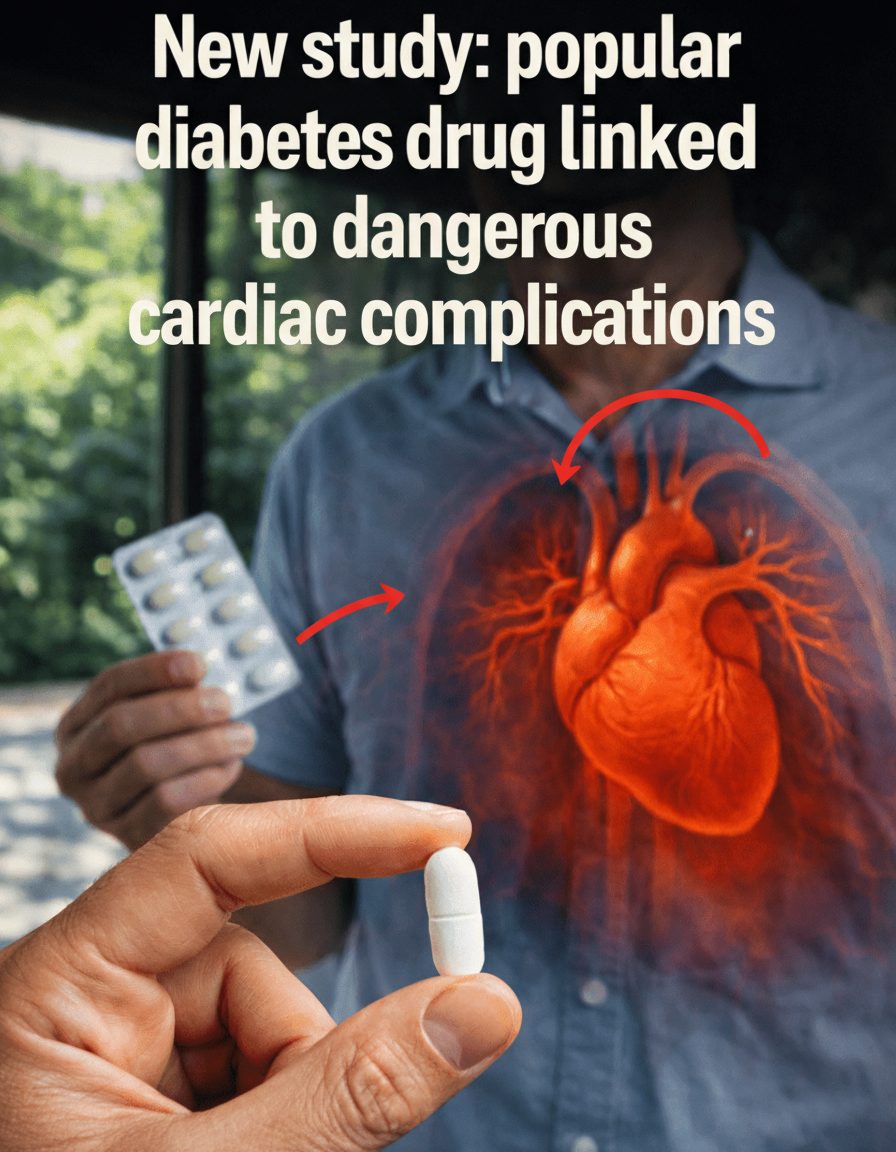
Recent extensive research has brought to light significant concerns regarding a popular diabetes drug and its potential association with elevated cardiovascular risks. This revelation has naturally sparked apprehension among many individuals about their current treatment regimens and future options. What makes this finding particularly noteworthy is the widespread and long-standing use of this specific medication for managing blood glucose levels.
However, there’s an empowering aspect to this information: understanding these critical details can equip you to engage in more informed discussions with your healthcare provider. This knowledge opens doors to exploring potentially safer and more effective pathways for your diabetes management. Stay with us – by the conclusion of this article, you will be armed with practical, actionable steps to safeguard your heart health while effectively navigating your diabetes journey.
What This Extensive Research Revealed
Researchers meticulously analyzed data from over 130 distinct clinical trials, encompassing a vast cohort of more than 48,000 adult patients diagnosed with type 2 diabetes. This exceptionally thorough review, recognized as one of the most comprehensive evaluations of its kind, specifically focused on rosiglitazone. Rosiglitazone is a medication belonging to the thiazolidinedione class, known for its mechanism of action in improving insulin sensitivity.
The pivotal finding? When examining individual patient data supplied by the drug manufacturer from these trials, rosiglitazone was definitively linked to a substantial 33% higher risk of experiencing a combined cardiovascular endpoint. This critical endpoint included serious events such as heart attack, heart failure, cardiovascular-related death, and non-cardiovascular death, when compared to control groups receiving alternative treatments or placebos. Yet, this isn’t the complete narrative…
Delving deeper into the findings, the most pronounced signal for adverse events was specifically observed for heart failure. This is a severe condition where the heart struggles significantly to pump blood efficiently throughout the body. Historically, other studies conducted over the years have echoed similar apprehensions concerning drugs within this class, often citing issues like fluid retention which can place considerable strain on the cardiovascular system.
Why This Information Is Crucial for Individuals Managing Type 2 Diabetes
Type 2 diabetes itself inherently elevates the risk of heart disease; individuals with diabetes are typically two to four times more susceptible to developing heart problems than those without the condition. Consequently, the prospect of an additional potential risk factor introduced by medication can feel overwhelming and daunting.
The encouraging news, however, is that not all diabetes medications share the same cardiovascular risk profile. Newer therapeutic classes, such as GLP-1 receptor agonists and SGLT2 inhibitors, have consistently demonstrated significant heart-protective benefits in numerous large-scale studies, alongside their primary role in blood sugar control. These crucial distinctions underscore the paramount importance of developing personalized treatment plans tailored to each patient’s unique health needs and risk factors.
Below is an overview of common diabetes medication classes and their general cardiovascular considerations, based on robust research:
- Metformin — Frequently prescribed as a first-line therapy; studies generally indicate neutral or even slightly beneficial effects on overall heart health.
- SGLT2 inhibitors (e.g., empagliflozin, dapagliflozin) — Widely associated with a reduced risk of hospitalization due to heart failure and a lower incidence of cardiovascular death.
- GLP-1 receptor agonists (e.g., semaglutide, liraglutide) — Linked to significantly lower rates of major cardiovascular events, including heart attack and stroke.
- Sulfonylureas (e.g., glipizide, glimepiride) — Generally considered cardiovascularly neutral, though some comparative analyses have suggested slightly elevated risks in specific patient populations or scenarios.
- Thiazolidinediones (e.g., rosiglitazone) — Analyses have consistently linked this class to higher risks of heart failure and composite cardiovascular events, as highlighted by the extensive new study.
It is always imperative to thoroughly discuss these various treatment options and their implications with your doctor. Individual patient factors such as kidney function, body weight, and the presence of other co-existing health conditions play a substantial role in determining the most appropriate and safest therapeutic approach.
Actionable Steps You Can Take Today to Bolster Your Heart Health
Effectively managing diabetes while simultaneously safeguarding your heart doesn’t have to be an overly complicated endeavor. Here are practical, evidence-based tips, aligned with established health guidelines, that you can begin implementing immediately:
- Schedule a comprehensive heart-focused check-up — Initiate a conversation with your physician about the cardiovascular profile of your current medication. Inquire whether alternative treatments might be more suitable for your specific health circumstances.
- Diligently monitor key health metrics — Regularly track your blood pressure (striving for a target below 130/80 mmHg if clinically appropriate), cholesterol levels, and A1C. Consistent monitoring enables early detection and proactive management of potential issues.
- Integrate heart-friendly lifestyle habits — Aim for at least 150 minutes of moderate-intensity physical activity per week, such as brisk walking, coupled with strength training sessions twice a week.
- Prioritize an anti-inflammatory dietary pattern — Emphasize consuming a rich variety of vegetables, fruits, whole grains, lean proteins, nuts, and healthy fats. This dietary approach supports overall cardiovascular wellness.