 By admin
 Ginger, a revered natural remedy, is widely embraced for its ability to soothe nausea, aid digestion, and enhance the flavor of countless dishes. However, its widespread popularity often overshadows the fact that daily, unmonitored consumption can sometimes lead to unforeseen discomforts such as heartburn, bloating, or even more significant health concerns that can disrupt your daily life. It’s surprisingly common for individuals seeking natural relief to experience adverse effects instead. Join us as we delve into the crucial side effects and necessary precautions associated with ginger, ensuring you can harness its benefits safely and effectively.
⚠️ Common Ginger Side Effects Many Encounter
Even for healthy individuals, consuming ginger in excessive quantities can trigger undesirable side effects. The potent, pungent compounds responsible for ginger’s therapeutic properties can also irritate the gastrointestinal tract. This irritation may manifest as abdominal discomfort, persistent heartburn, or even diarrhea, potentially disrupting your day. According to reputable health organizations like the National Center for Complementary and Integrative Health (NCCIH) and WebMD, these common ginger side effects are more prevalent when daily intake surpasses 5 grams. While such irritations typically subside quickly, it can be disheartening when a seemingly calming cup of ginger tea results in the opposite effect. Many individuals tend to overlook mild ginger side effects, assuming they are fleeting. Yet, paying attention to your body’s early signals is crucial for preventing more significant health problems later on.
⚠️ The Undeniable Bleeding Risk Associated with Ginger
Among the more critical ginger side effects is its documented potential to thin the blood. Ginger can impede the blood clotting process by influencing specific biological pathways, posing a significant concern for individuals already predisposed to bleeding. Research and expert analyses highlight that ginger may interact adversely with anticoagulant medications such as warfarin, aspirin, or clopidogrel, potentially escalating the risk of bruising or prolonged bleeding. For those facing upcoming surgery or managing a diagnosed bleeding disorder, unregulated ginger consumption could lead to unforeseen complications. The apprehension of a minor injury resulting in excessive bleeding is certainly disquieting. Consequently, healthcare professionals frequently advise discontinuing high-dose ginger intake for at least 1-2 weeks prior to any surgical procedures.
🩹 Ginger and Gallstones: A Potential Aggravator
Ginger is known to stimulate bile production, a process beneficial for most in aiding fat digestion. However, for individuals who suffer from gallstones, this very mechanism can unexpectedly provoke painful attacks or intensify existing symptoms. Clinical reports indicate that consuming larger quantities of ginger may exacerbate gallbladder conditions, transforming this otherwise beneficial spice into a source of acute pain. If you’ve ever endured sudden, sharp abdominal pain post-meal, the last thing you’d desire is ginger further stressing your system. The intense discomfort from gallstone flare-ups can severely disrupt your daily routine. Therefore, careful consideration of your ginger intake is paramount if you have a history of gallstones.
🤰 Ginger During Pregnancy and Breastfeeding: Key Safety Considerations
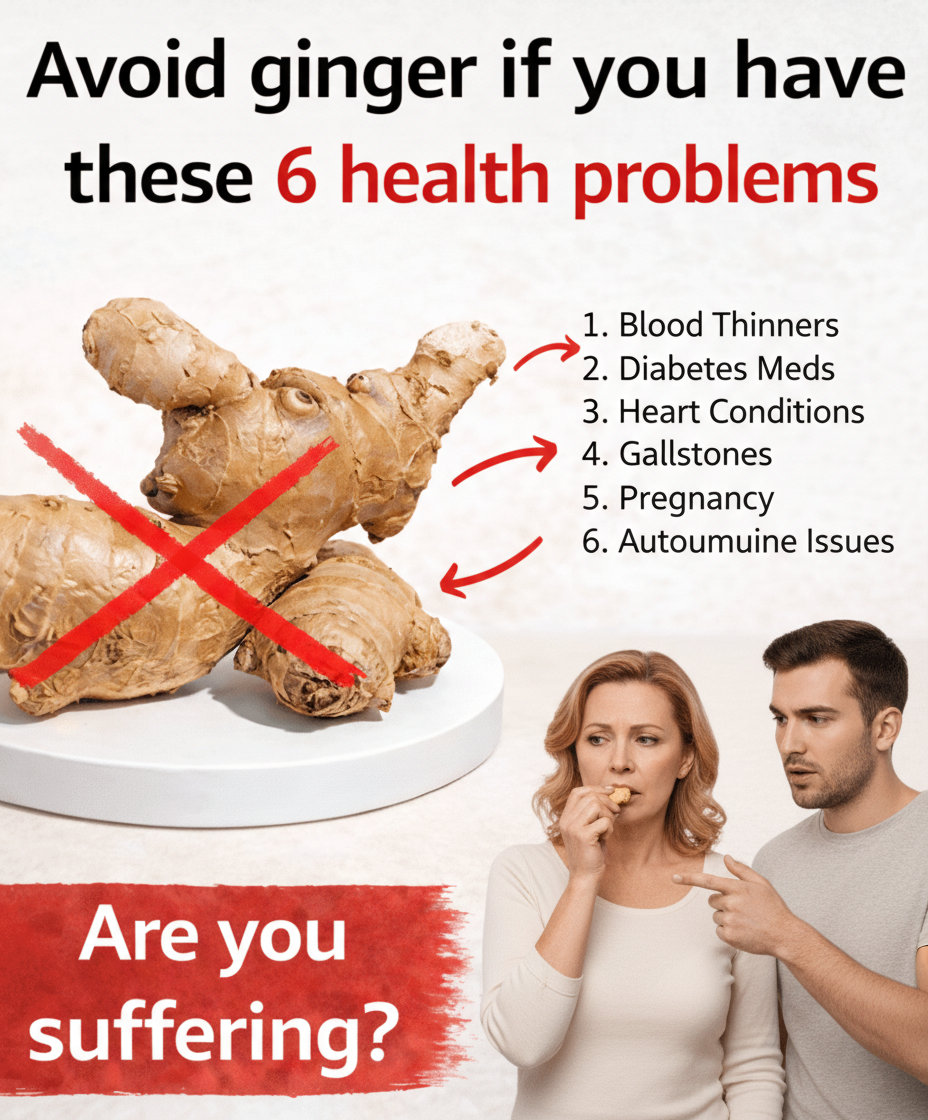
Many expectant mothers explore ginger as a natural remedy for morning sickness, and indeed, some limited evidence suggests that modest amounts (typically up to 1 gram daily) are generally well-tolerated during early pregnancy. Nevertheless, higher doses introduce legitimate concerns regarding potential risks, including an increased likelihood of bleeding closer to delivery. Information regarding ginger safety, particularly during breastfeeding, remains scarce, which can understandably add stress during an already transformative period. Enhanced caution with ginger is strongly advised during later stages of pregnancy or in the presence of any pregnancy complications. While the appeal of natural remedies is undeniable, prioritizing peace of mind and safety for both mother and baby is paramount. Always consult your healthcare provider before incorporating ginger into your regimen during pregnancy or breastfeeding.
🩺 Ginger and Blood Sugar: Implications for Diabetes Management
Ginger has been observed to potentially reduce blood glucose levels and enhance insulin sensitivity. While this effect could be advantageous for certain individuals, it presents a significant risk of hypoglycemia (low blood sugar) when consumed alongside diabetes medications. Patients currently taking metformin, insulin, or similar blood sugar-regulating treatments should exercise extreme caution. Introducing substantial amounts of ginger without proper monitoring could precipitate sudden symptoms of low blood sugar, such as tremors, dizziness, or confusion. This unpredictability can impose considerable stress on an already meticulously managed health routine. Maintaining stable blood sugar levels is a critical daily objective for many, and a clear understanding of ginger’s role in this balance can prove invaluable.
❤️ Ginger and Its Interaction with Blood Pressure or Heart Medications
Ginger possesses properties that may subtly reduce blood pressure. This effect can potentially augment the action of antihypertensive medications, leading to undesirable outcomes such like dizziness or lightheadedness. Individuals managing cardiovascular conditions or taking medications for heart rhythm irregularities must pay close attention to this potential interaction. Experiencing instability or adverse effects from a substance intended to promote well-being is certainly counterproductive to one’s health goals.
🛡️ Adhering to Safe Ginger Dosage Guidelines
Understanding and respecting safe dosage limits is paramount for anyone wishing to incorporate ginger into their health regimen without encountering adverse effects. While the exact safe dosage can vary based on individual health, existing conditions, and other medications, generally, most healthy adults tolerate up to 4-5 grams of ginger daily without issues. However, as discussed, even lower doses might be problematic for specific groups. Always consult with a healthcare professional or a qualified herbalist to determine the appropriate and safe dosage for your particular circumstances, especially if you have underlying health conditions or are taking other medications. Being informed and cautious ensures you can enjoy the many reputed benefits of ginger responsibly.