 By admin
 When seeking simple ways to bolster health, many instinctively reach for familiar ingredients. Whether combating seasonal sniffles, soothing a scratchy throat, or simply feeling fatigued after a demanding week, certain foods have long been cherished in traditional culinary and wellness practices. Among these, garlic stands out as a consistently highlighted ingredient.
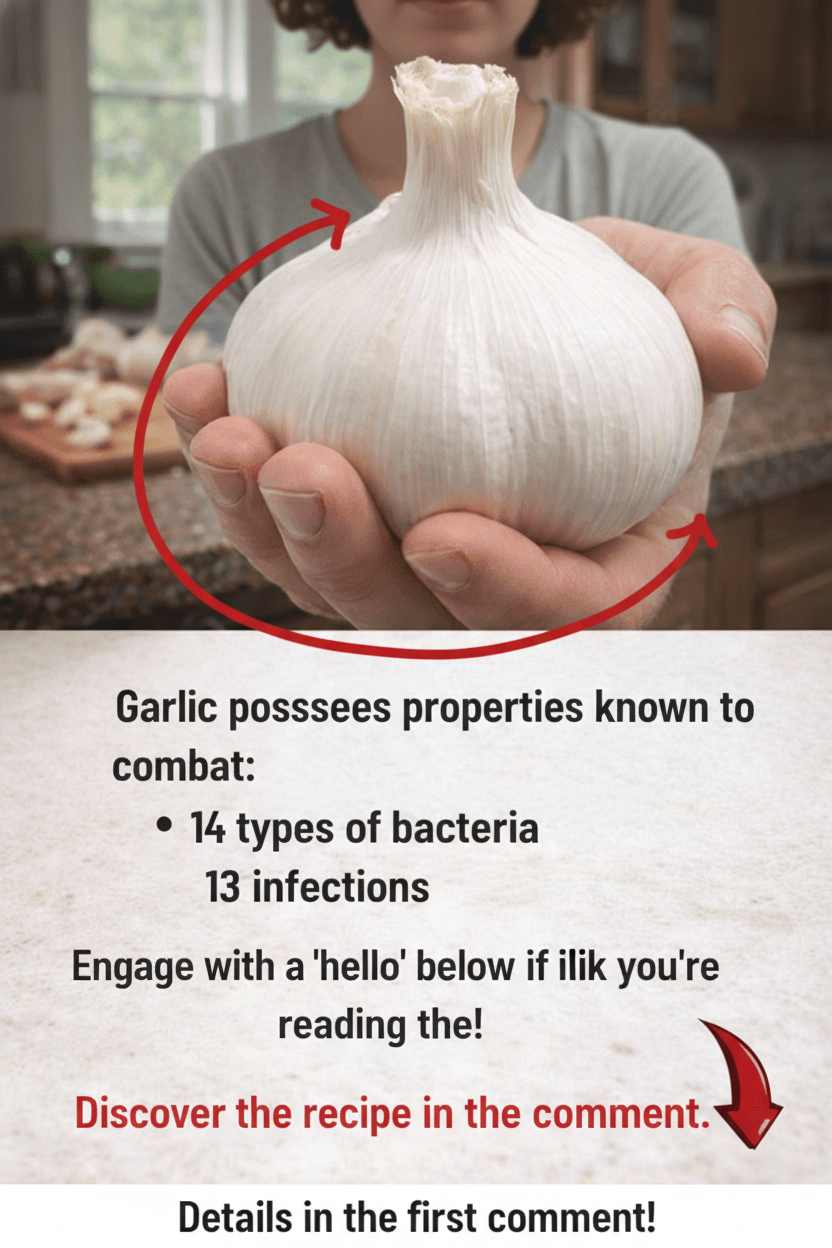
For millennia, cultures worldwide have revered garlic not only for its distinctive pungency but also for its purported medicinal properties. While some might dub it a “natural antibiotic,” its true impact is more nuanced. Garlic contains potent compounds that have garnered significant scientific interest for their antimicrobial and immune-modulating capabilities. However, it’s crucial to understand that garlic is not a substitute for professional medical treatment when serious infections arise. Nevertheless, its consistent presence in both scientific research and ancient dietary wisdom speaks volumes, largely thanks to a specific compound that underpins its robust reputation.
What Makes Garlic So Unique?
Garlic transcends its role as a mere flavoring agent. Within each bulb reside natural sulfur-containing compounds responsible for its characteristic aroma and potent taste. When garlic is finely chopped or crushed, a pivotal transformation occurs, leading to the formation of allicin. This remarkable compound is widely recognized as the primary driver behind garlic’s widespread acclaim in nutritional and health research.
Key Bioactive Compounds Found in Garlic:
- Allicin: The star compound, formed upon crushing, responsible for many of garlic’s studied benefits.
- Sulfur Compounds: A diverse group contributing to garlic’s unique flavor and therapeutic potential.
- Flavonoids: Plant pigments with antioxidant properties.
- Antioxidants: Substances that help protect the body’s cells from damage caused by free radicals.
Numerous studies published in leading nutrition journals indicate that these diverse compounds may play a role in strengthening the body’s innate defense mechanisms and safeguarding cells against the detrimental effects of oxidative stress. It is essential to emphasize, however, that garlic functions most effectively as an integral component of a balanced, wholesome diet, rather than as a singular remedy for ailments.
How Garlic Supports the Body’s Natural Defenses
Garlic is frequently associated with enhancing immune function. Certain laboratory investigations have delved into how garlic’s compounds interact with various microorganisms, demonstrating potential antimicrobial activity in controlled settings. Yet, the precise effects observed within the complex human body can differ.
What researchers generally concur on is that garlic provides compounds that can help bolster the activity of the immune system. Its potential contributions to wellness are frequently discussed and include:
Potential Wellness Contributions of Garlic:
- Fortifying the Body’s Immune Response: Assisting the immune system in its natural protective functions.
- Delivering Antioxidant Support: Supplying compounds that combat cellular damage.
- Promoting Holistic Well-being: Contributing to a general sense of health and vitality.
According to comprehensive reviews in nutritional science, dietary patterns rich in plant-based foods, prominently featuring ingredients like garlic, are consistently linked to superior long-term health outcomes and overall longevity.
Garlic in Traditional Wellness Practices
The use of garlic in traditional healing spans thousands of years. Ancient civilizations across Egypt, Greece, and various parts of Asia incorporated garlic into their daily diets, not just for its culinary appeal but also for its perceived benefits in promoting general well-being. Even in contemporary times, many home remedies continue to feature garlic, often combined with complementary ingredients such as honey, lemon, or ginger.
Historical Applications of Garlic in Traditional Medicine:
- Seasonal Immune Support: Used to help maintain health during changing seasons.
- Respiratory Comfort: Valued for its role in supporting healthy breathing.
- Enhancing General Vitality: Believed to boost overall energy and health.
It is important to acknowledge that the extensive history of traditional use does not automatically equate to proven medical efficacy. Modern scientific inquiry continues to meticulously investigate the mechanisms by which garlic compounds exert their effects within the human body. Nonetheless, garlic’s enduring legacy in global gastronomy and traditional health practices remains undeniably remarkable.
The Best Ways to Incorporate Garlic into Your Diet
One of the most straightforward and enjoyable methods to harness garlic’s benefits is to integrate it regularly into your cooking. Adding garlic to meals not only elevates their flavor profile but also introduces valuable plant compounds into your daily intake. Here’s a useful culinary tip: crushing garlic cloves and allowing them to rest for several minutes before cooking can help maximize the activation of its beneficial compounds, particularly allicin.
Simple & Delicious Ways to Enjoy Garlic Daily:
- Soups and Stews: Infuse depth and aroma into hearty dishes.
- Vegetable Creations: Enhance the flavor of roasted, steamed, or sautéed vegetables.
- Homemade Salad Dressings: Add a zesty kick to your greens.
- Stir-fry Dishes: A fundamental ingredient for vibrant Asian-inspired meals.
- Olive Oil-Based Sauces: Perfect for pasta, bread dips, or marinades.
Many nutrition experts advocate for incorporating a diverse array of herbs, spices, and vegetables into meals to foster holistic wellness. Garlic seamlessly aligns with this comprehensive dietary philosophy.
Raw Garlic vs. Cooked Garlic: A Comparative Look
A common inquiry revolves around whether raw garlic offers superior benefits compared to its cooked counterpart. The optimal choice often depends on individual preferences and desired outcomes. Heat exposure can diminish some of the volatile compounds, including a portion of the allicin, that form when garlic is crushed. However, cooked garlic still retains significant flavor and considerable nutritional value.
Quick Comparison of Garlic Preparations:
| Type | Characteristics |
|---|---|
| Raw Garlic | Features a more pungent, intense flavor and higher levels of active allicin. |
| Lightly Cooked Garlic | Offers a milder taste while still preserving a good portion of its nutritional integrity. |
| Roasted Garlic | Develops a sweeter, caramelized flavor and a much softer, spreadable texture. |
Incorporating both raw and cooked forms of garlic into a balanced diet allows for a wider spectrum of flavors and nutritional benefits.
Practical Tips for Using Garlic Safely
While garlic is generally considered safe for most individuals when consumed in culinary amounts, a few considerations are worth noting. Excessive raw garlic consumption might lead to digestive discomfort, such as heartburn or gas, for some sensitive individuals. Additionally, due to its potential anti-platelet effects, individuals on blood-thinning medications should consult their healthcare provider before significantly increasing their garlic intake. As with any food with potential health implications, moderation and awareness of individual reactions are key to enjoying garlic safely.