 By admin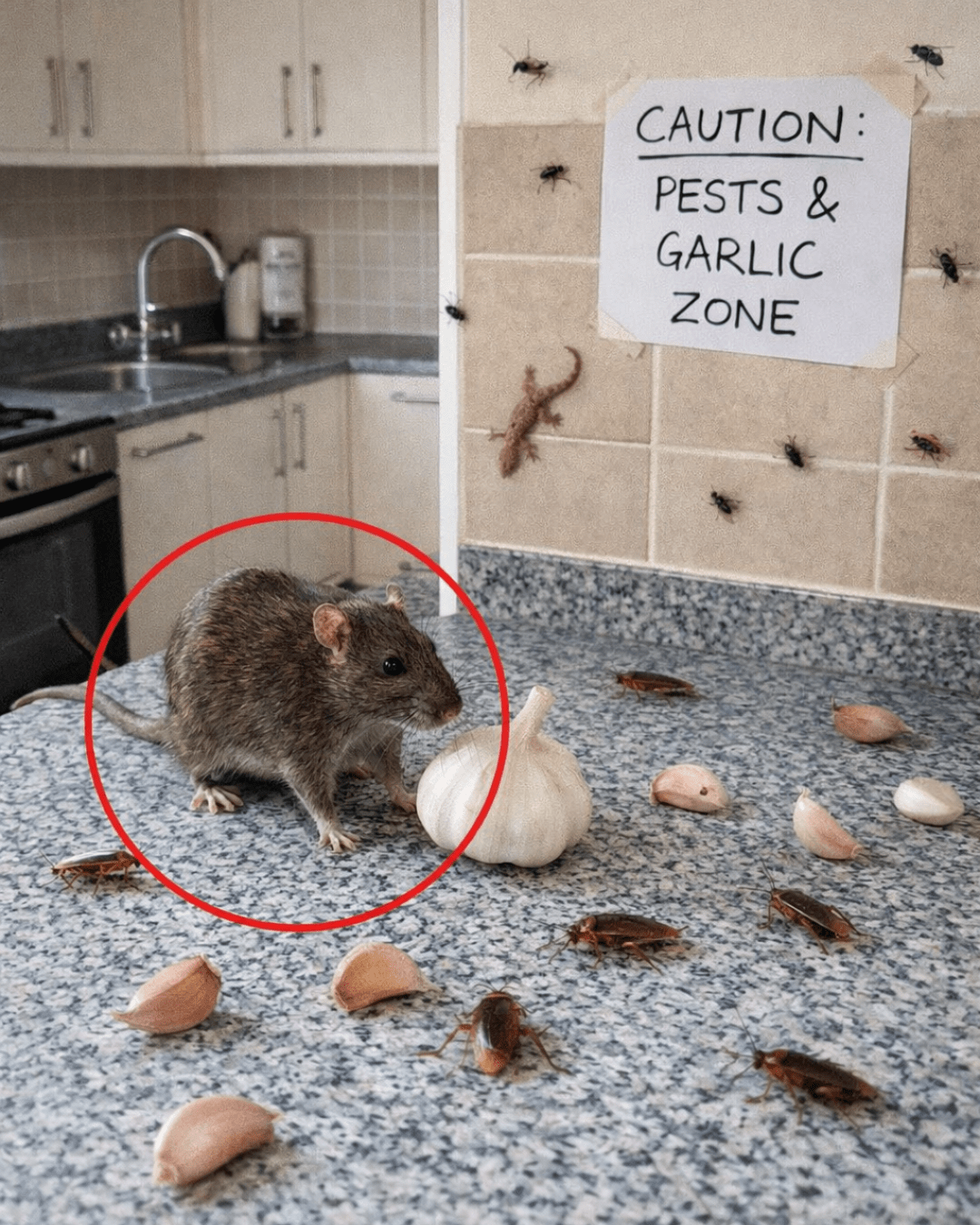
Imagine dealing with tiny invaders scurrying through your kitchen at night or buzzing relentlessly around your family during summer evenings. Those frustrating pests like mice, flies, and mosquitoes don’t just annoy—they can contaminate food, spread germs, and turn peaceful home life into a constant battle. Many people reach for harsh chemical sprays or traps, only to worry about fumes, residues on surfaces, or harm to pets and kids. The good news? Nature offers a simple, kitchen-staple alternative that’s been valued for generations: garlic. Its potent sulfur compounds and unmistakable aroma create an environment many common household pests naturally avoid. But how effective is it really, and what’s the best way to use it without the hassle? Stick around—by the end, you’ll discover a surprisingly easy garlic-based spray recipe that could change how you protect your home.

Why Garlic Works as a Natural Repellent
Garlic isn’t just a flavorful addition to your meals. The key lies in allicin and other sulfur-containing compounds released when you crush or chop fresh cloves. These give garlic its signature sharp smell, which overwhelms the sensitive olfactory systems of many insects and rodents.
Research and traditional use suggest these compounds disrupt pests’ ability to locate food, mates, or safe hiding spots. Studies on garlic’s essential oils have shown repellent effects against various insects, thanks to their strong volatile properties. While not a miracle cure-all, garlic offers a low-risk, eco-friendly option for minor pest issues around the home.
But that’s not all—its accessibility makes it a go-to for anyone wanting to reduce chemical use indoors.

Garlic for Mice: Simple Placement That Deters Rodents
Mice rely heavily on their sense of smell to navigate and find food. The pungent odor of fresh garlic can mask attractive scents and make areas unappealing.
Many homeowners report success by strategically placing garlic in problem zones. Here’s how to do it effectively:
- Crush 4-6 fresh garlic cloves (releasing more allicin for stronger effect).
- Place the crushed pieces in small dishes or wrap in cheesecloth.
- Position them in corners, along baseboards, behind appliances, near entry points, or along known mouse runways.
- Refresh every 3-4 days as the scent fades.
This method targets mice without poisons, which is safer around children and pets. While scientific studies on garlic specifically for mice are limited, the strong sulfur aroma aligns with what rodents instinctively avoid, similar to other potent plant-based scents.

Keeping Flies and Mosquitoes at Bay with Garlic
Flies and mosquitoes are drawn to odors, moisture, and carbon dioxide. Garlic’s volatile compounds interfere with their attraction signals.
For flies indoors or around patios:
- Hang small mesh bags of crushed garlic near windows, doors, or trash areas.
- Or make a quick spray (recipe below) to mist entry points.
For mosquitoes, topical garlic applications aren’t ideal for skin (due to odor and potential irritation), but environmental use shows promise. Some research on garlic oils indicates repellent activity against mosquitoes and flies, particularly through sulfur-based disruption of insect behavior. Commercial garlic-based yard sprays exist for this reason, often lasting weeks per application.
The beauty? These approaches focus on repelling rather than killing, maintaining a balanced home ecosystem.
Bonus: Other Household Pests Garlic May Discourage
Garlic’s broad repellent profile extends beyond the basics. Anecdotal reports and some studies point to effectiveness against:
- Ants — Place crushed cloves near trails to disrupt their scent paths.
- Cockroaches — Position in cabinets or under sinks for an extra deterrent layer.
- Garden invaders like aphids or slugs (if pests spill indoors from plants).
Here’s a quick comparison of common natural repellents:
- Garlic: Strong odor, easy to source, versatile indoors/outdoors.
- Peppermint oil: Pleasant smell to humans, good for ants/mice.
- Vinegar: Cheap, but evaporates quickly.
- Essential oils blend: More expensive, but multi-pest coverage.
Garlic stands out for its kitchen availability and low cost.

Easy DIY Garlic Repellent Spray Recipe (Step-by-Step)
Ready to try it? This simple spray works well for flies, mosquitoes, and general pest deterrence around doors, windows, and baseboards.
Ingredients:
- 2-3 fresh garlic bulbs (about 10-12 cloves)
- 1 quart (4 cups) water
- Optional: 1 teaspoon mild dish soap (helps the solution stick)
Steps:
- Peel and roughly chop the garlic cloves.
- Add them to a blender or food processor with 1 cup of water. Blend until smooth.
- Pour the mixture into a jar, add the remaining water, and stir well.
- Let it steep for 24 hours (covered) to maximize compound release.
- Strain through a fine mesh or cheesecloth to remove solids.
- Add dish soap if using, then transfer to a spray bottle.
- Shake before each use and mist around entry points, trash bins, or outdoor sitting areas. Reapply every few days or after rain.
Pro tip: Test a small area first to avoid staining surfaces.
This spray harnesses garlic’s natural properties without harsh additives—perfect for eco-conscious homes.
Safety Tips and Realistic Expectations
Garlic is generally safe for household use, but:
- Avoid direct skin contact in high concentrations to prevent irritation.
- Use in well-ventilated areas—the smell is strong!
- Combine with good hygiene (sealing cracks, cleaning crumbs) for best results.
It’s most effective for prevention or light infestations. For heavy problems, professional help may be needed.
Conclusion: Embrace Garlic as Your First Line of Defense
Garlic proves that effective pest control doesn’t always require chemicals. Its natural sulfur compounds offer a practical, affordable way to deter mice, flies, mosquitoes, and more—right from your kitchen. Start small with crushed cloves or the spray recipe, and you may notice fewer unwanted visitors. Simple changes like this bring peace of mind and a fresher-smelling home.
FAQ
Does eating garlic repel mosquitoes or pests from inside your body?
No—studies show consuming garlic doesn’t make your skin or sweat repel insects effectively. Topical or environmental use works better for pest issues.
How long does the garlic smell last indoors?
The strong odor typically fades within a few hours to a day, especially with good ventilation. Refresh placements or sprays every few days for ongoing protection.
Is garlic safe around pets and children?
In moderate amounts for repellent purposes (like placed cloves or diluted sprays), yes. Avoid letting pets ingest large quantities, as garlic can be toxic to some animals in high doses—consult a vet if concerned.
Disclaimer: The information in this article is for general educational purposes only and is based on traditional uses and available research. Garlic is not intended to diagnose, treat, cure, or prevent any disease or pest infestation. Results vary, and severe pest problems should be addressed by qualified professionals. Always test natural remedies in small areas first and consult experts for health or safety concerns.