 By admin
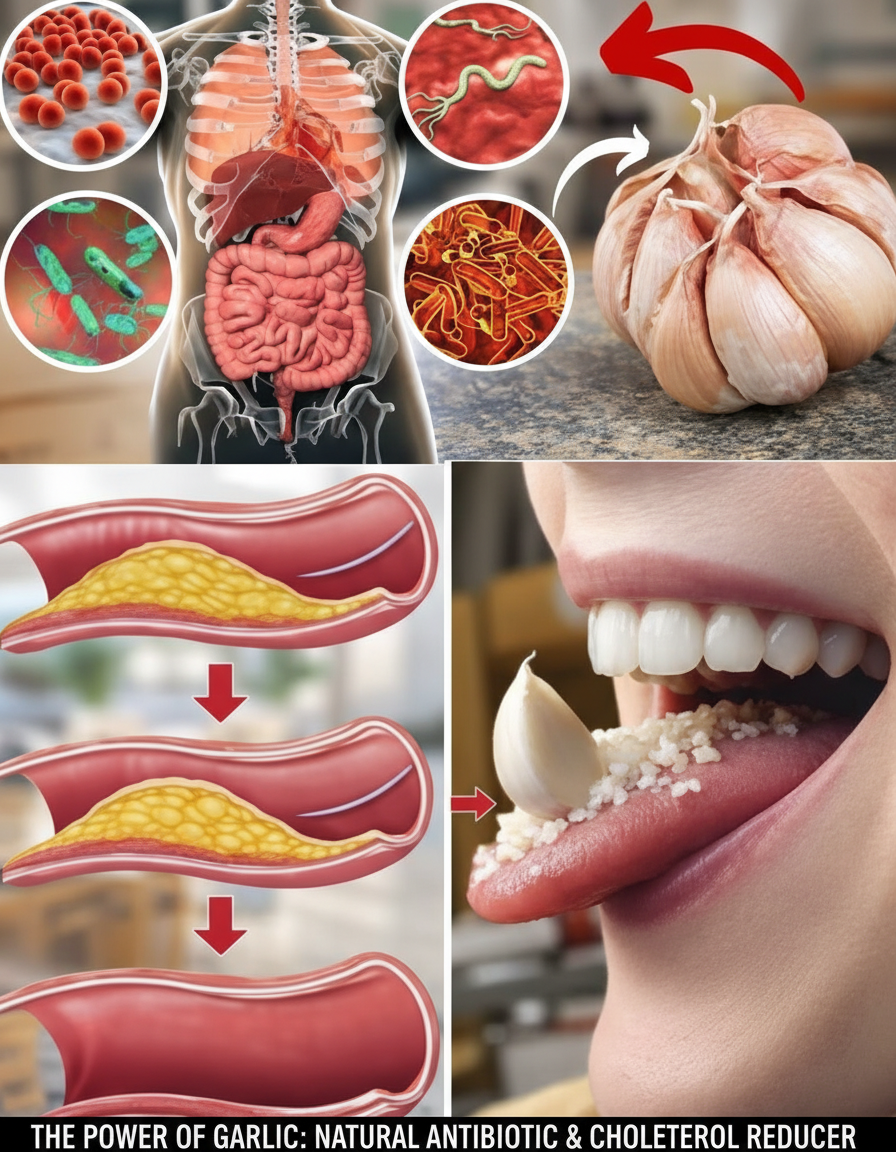
 A humble bulb found in nearly every pantry, garlic (Allium sativum) holds a power far beyond its common culinary application. While it’s a staple for flavoring dishes, many home cooks inadvertently overlook its profound potential. The demands of modern life, with its quick meal preparations and convenience-driven habits, have often overshadowed the traditional wisdom surrounding this ancient ingredient. Once revered as both a foundational food and a versatile household aid, garlic is now frequently added to recipes without a second thought to its deeper properties. However, rediscovering just a few simple practices can profoundly revolutionize your daily interaction with garlic—and by the end of this comprehensive guide, one particular insight promises to redefine your approach to this remarkable ingredient forever.
Why Garlic Has Been Revered for Millennia
For thousands of years, garlic has held a distinguished place in human history, transcending mere culinary appeal. Its significance is well-documented in a myriad of ancient sources, from the hieroglyphs of Egyptian civilizations and the dietary regimens of Greek athletes to the intricate herbal traditions of early Asian cultures. Across diverse societies, garlic was celebrated not just for its distinctive taste but also for its perceived role in bolstering daily vitality and aiding in food preservation. What makes this historical appreciation particularly compelling is how contemporary scientific investigation now illuminates the precise reasons behind traditional cultures’ deliberate methods of preparing and utilizing garlic. This convergence of ancient wisdom and modern understanding reveals the true essence of its potency.
The Biochemical Heart of Garlic: Unlocking Its Full Potential Through Preparation
Allicin: The Transformative Compound
At the core of garlic’s celebrated health benefits and pungent character lies allicin, a potent sulfur-containing compound. This remarkable molecule is responsible for garlic’s signature sharp aroma and its extensive array of functional properties. However, a crucial detail often overlooked by many is that allicin itself is not present in a whole, undamaged garlic clove. Instead, it is a dynamic compound that only materializes when the garlic is physically disrupted or damaged.
How Allicin is Activated
The magic of allicin formation is a fascinating biochemical process. An intact garlic clove contains two key components: the amino acid alliin and an enzyme called alliinase. When garlic is subjected to mechanical stress—such as being chopped, crushed, or minced—these two precursors are brought into contact. This interaction swiftly triggers a chemical reaction that synthesizes allicin. Yet, as you’ll discover, the timing of this activation is far more significant than most people realize.
Secret #1: The Overlooked 10-Minute Rule for Maximizing Garlic’s Power
One of the most common mistakes in the kitchen is crushing or chopping garlic and then immediately exposing it to heat. This seemingly innocuous habit can, unfortunately, diminish a significant portion of garlic’s beneficial compounds, particularly allicin. Both scientific research and culinary experts advocate for a simple, yet profoundly impactful, practice:
- After crushing, mincing, or chopping garlic, allow it to rest undisturbed for approximately 10 minutes.
- This crucial resting period provides ample time for allicin to fully form and stabilize before the heat of cooking can deactivate the alliinase enzyme, which is essential for its creation.
Adopting this single change in your garlic preparation routine can dramatically enhance both the depth of its flavor and the bioavailability of its powerful compounds. But this is merely the first step in unlocking garlic’s full potential.
Secret #2: Understanding the Distinct Differences Between Raw and Cooked Garlic
The application of heat fundamentally transforms garlic, resulting in two distinct culinary and chemical profiles. Recognizing these differences is key to mastering its use:
- Raw Garlic: Characterized by its intensely pungent aroma and robust, sharp taste. This form retains the highest concentration of its active sulfur compounds, including freshly formed allicin. Consequently, raw garlic is best utilized judiciously in cold preparations like salad dressings, vibrant pestos, or as a powerful finishing touch to dishes where its potent flavor can shine without overwhelming.
- Cooked Garlic: When heated, garlic undergoes a chemical change that mellows its pungency, resulting in a sweeter, more nuanced flavor. For many individuals, cooked garlic is also considerably gentler on the digestive system. While some allicin is lost during cooking, it still provides a wealth of beneficial antioxidants and essential nutrients, contributing depth and complexity to countless recipes.
The vital insight here is that neither form is inherently superior; rather, they serve different culinary objectives. A truly balanced and sophisticated kitchen embraces both raw garlic and cooked garlic, employing each intentionally to achieve desired flavors and benefits.
Beyond the Plate: Unexpected Household Applications for Garlic
Garlic’s remarkable versatility extends far beyond its role in the culinary world. The very volatile compounds that give it its distinctive flavor and health properties also possess unique interactive qualities with the environment, offering surprising solutions for common household challenges.
Secret #3: Garlic as a Natural Odor Neutralizer
It might seem counterintuitive to use a strong-smelling ingredient to combat other odors, yet garlic proves to be an exceptionally effective natural odor neutralizer. If your kitchen is left with lingering strong cooking smells—perhaps after preparing fish, frying, or cooking pungent vegetables like cabbage—a simple trick can work wonders:
- Gently simmer a few crushed garlic cloves in a pot of water on the stove.
The sulfur compounds released by the garlic don’t merely mask unpleasant scents; they actively interact with and help break down airborne odor molecules, effectively purifying the air. This remarkable property naturally leads us to another surprising household application.
Secret #4: Harnessing Garlic as a Natural Surface Cleaner
Long before the advent of modern chemical cleaning agents, garlic was employed in rudimentary sanitation practices, particularly in traditional kitchens. Its inherent antimicrobial properties make it a surprisingly effective natural surface cleaner. Here’s a simple, traditional method you can easily recreate:
- Finely chop several garlic cloves.
- Place the chopped garlic in a jar and cover it with white vinegar.
- Allow the mixture to infuse for several days, preferably in a cool, dark place.
- Strain out the garlic solids, and transfer the infused vinegar into a spray bottle.
This garlic-infused vinegar spray is particularly beneficial for sanitizing cutting boards, countertops, and other kitchen preparation areas where food residues and potential bacteria can accumulate. It’s a testament to garlic’s extensive utility beyond just flavoring meals.
Secret #5: Garlic’s Enduring Legacy in Traditional Food Preservation
In eras predating refrigeration, the challenge of preserving food was paramount. Here, garlic emerged as an indispensable ally. It was routinely incorporated into a variety of traditional food preservation methods:
- Pickles: Added to pickling solutions to enhance flavor and inhibit microbial growth.
- Fermented Vegetables: A common ingredient in ferments, contributing to both taste and shelf life.
- Brines: Utilized in brining processes for meats and vegetables, leveraging its natural protective qualities.
The inherent plant compounds within garlic played a critical role in limiting spoilage and maintaining the stability of preserved goods. While contemporary refrigeration and food technology have largely superseded these ancient techniques, this historical practice beautifully illustrates why garlic remains a ubiquitous ingredient in preserved foods across diverse global cuisines.
Garlic for Wellness: Ancient Remedies, Modern Relevance
For countless generations, garlic’s role extended far beyond the kitchen. It was deeply integrated into daily wellness routines and traditional medicinal practices across the globe, valued not as an occasional supplement but as a consistent component of health maintenance.
Secret #6: The Potent Synergy of Garlic and Honey in Folk Medicine
The combination of chopped garlic and raw honey is a time-honored remedy that features prominently in folk traditions and wellness practices across continents. This powerful pairing is more than just a culinary curiosity; it’s a synergistic blend with distinct advantages:
- Natural Preservation: Raw honey acts as a natural antimicrobial and preservative, extending the shelf life of the garlic.
- Intensity Moderation: Honey’s sweetness and soothing properties effectively temper garlic’s characteristic pungency and sharpness, making it more palatable for regular consumption.
Together, they form a stable, easy-to-consume mixture often taken in small, consistent daily amounts. Many individuals continue to prepare and keep this garlic and honey blend readily available, especially as part of their seasonal wellness routines, leveraging its traditional immune-supporting properties.
Secret #7: Discovering the Comfort and Benefits of Garlic Tea
For individuals who find the intense flavor or digestive impact of raw garlic challenging, garlic tea presents a wonderfully approachable and gentler alternative. This traditional preparation allows you to harness many of garlic’s beneficial compounds in a soothing, diluted form. A common method involves:
- Finely mincing or crushing 1-2 cloves of garlic.
- Placing the garlic in a mug and pouring hot (but not boiling) water over it.
- Allowing it to steep for 5-10 minutes.
- Straining the garlic solids (optional) and adding a squeeze of lemon juice and a spoonful of honey for taste and added benefits.
This warm infusion is not only comforting but also provides a mild way to incorporate garlic into your daily wellness regimen, particularly during colder months or when seeking gentle digestive support.
Embracing Garlic’s Full Spectrum of Benefits
From its ancient roots as a symbol of vitality to its modern scientific validation, garlic is undeniably a powerhouse ingredient. By integrating these 11 timeless secrets—from precise preparation techniques that unleash its core compounds, to surprising household applications, and time-honored wellness practices—you can move beyond merely cooking with garlic. You’ll begin to truly harness its multifaceted potential, enriching your culinary creations, enhancing your home environment, and supporting your holistic well-being. Start experimenting with these insights today and redefine your relationship with this extraordinary bulb.