 By admin
 Are you tired of constantly reaching for antibiotics, wishing for a gentler, natural ally in your fight against everyday infections? Many of us seek ways to bolster our body’s defenses against common pathogens, especially when conventional remedies fall short or bring unwanted side effects. The frustration of lingering discomfort and the growing concern over antibiotic resistance are real. What if a humble, time-tested ingredient from your kitchen could offer significant support?
For centuries, garlic has been revered not just for its culinary prowess but also for its impressive medicinal properties. Modern research increasingly validates its potential as a powerful antimicrobial agent. This article delves into the science behind garlic’s ability to combat bacteria, offers practical ways to integrate it into your wellness routine, and reveals why it’s earned the moniker “nature’s antibiotic” without making exaggerated claims. Stick around for a simple yet often-overlooked tip to maximize its benefits!
Garlic’s Antimicrobial Edge: The Science Unpacked
Garlic (Allium sativum) is far more than a mere flavor enhancer; it’s a biochemical powerhouse. Its primary active compound, allicin, is a sulfur-containing molecule responsible for much of garlic’s potent antimicrobial activity. Allicin isn’t present in whole, intact garlic cloves; it’s rapidly formed when garlic is crushed, chopped, or chewed. This process occurs through an enzymatic reaction: the enzyme alliinase converts alliin (a stable precursor) into allicin almost instantaneously.
Once formed, allicin gets to work. Studies show it interacts with thiol groups in crucial enzymes within microbial cells, effectively disrupting their metabolic processes and hindering their ability to thrive and multiply. This mechanism grants garlic broad-spectrum activity against a wide range of bacteria, including both Gram-positive (like Staphylococcus aureus) and Gram-negative (such as Escherichia coli and Salmonella) species in laboratory settings. Research even suggests its potential against some multidrug-resistant strains and the tough protective layers bacteria form called biofilms.
While allicin is the star, other compounds like ajoene, diallyl sulfides, and vinyldithiins also contribute to garlic’s overall antimicrobial profile, often working synergistically to enhance its effects. It’s important to note that while test-tube and animal studies show compelling results, human evidence often points to garlic playing a supportive role rather than acting as a standalone cure for serious infections.
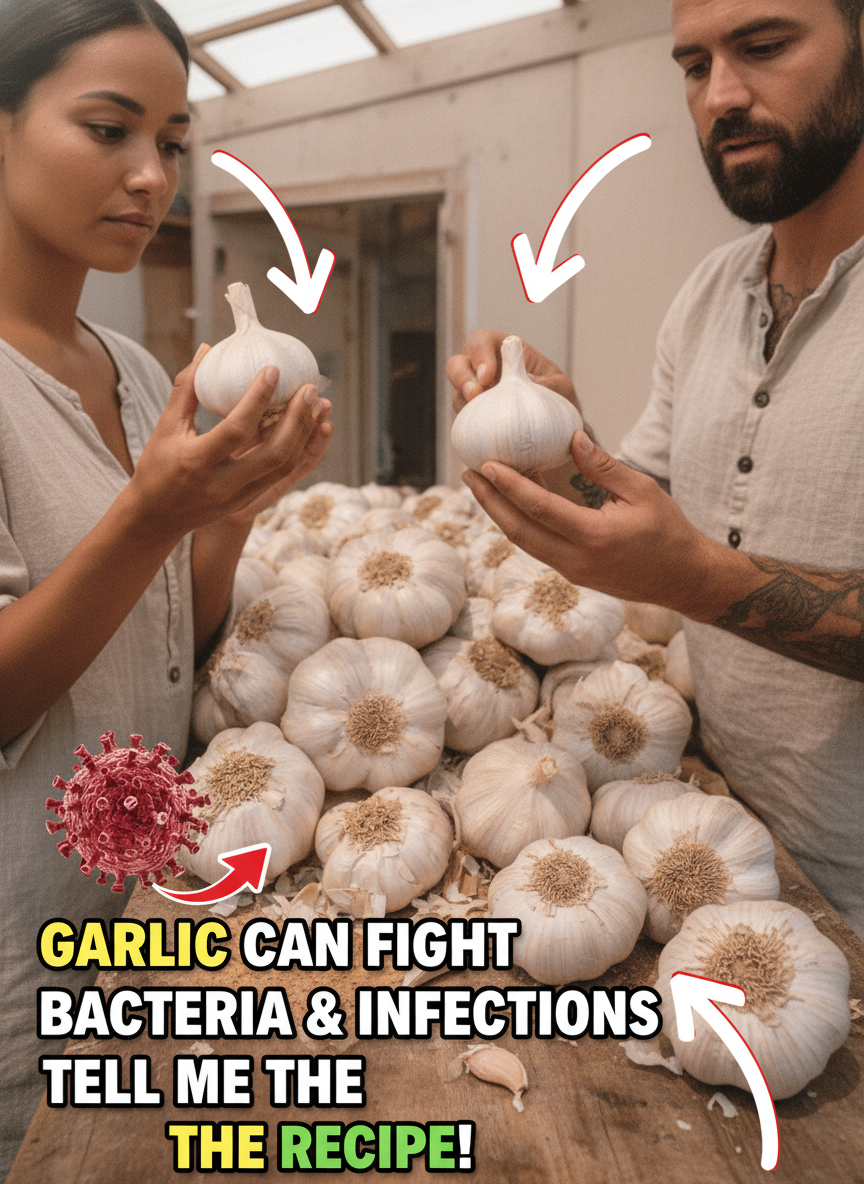
Maximizing Garlic’s Benefits: Practical Tips
Ready to incorporate this natural ally into your daily life? Here are actionable steps to harness garlic’s potential safely and effectively:
- Choose Fresh: Opt for whole, firm garlic bulbs. Store them in a cool, dry place. The freshest garlic yields the most potent compounds.
- Activate Allicin: Always crush or chop garlic just before use. This crucial step triggers the enzymatic reaction that produces allicin.
- The “Resting” Trick: This is the surprising tip! After crushing or mincing garlic, let it sit for 10-15 minutes before cooking or consuming. This brief pause allows maximum allicin formation, significantly boosting its beneficial compounds.
- Raw Power: For peak antimicrobial potential, consume garlic raw. Add minced garlic to salads, dressings, guacamole, or a simple honey-garlic infusion.
- Gentle Cooking: If cooking, add garlic towards the end of the process or sauté lightly at lower temperatures to preserve more of its volatile compounds. High heat rapidly degrades allicin.
- Daily Infusion: Crush 2-3 cloves, let them rest (as above), then mix with warm (not hot) water and a spoonful of honey for a soothing, immune-supportive drink.
Important Considerations:
- Start Small: Garlic can be potent and may cause stomach irritation in some individuals. Begin with smaller amounts and consume with food.
- Consult Your Doctor: If you have bleeding disorders, are on blood-thinning medications, or have any other health concerns, consult your healthcare provider before significantly increasing your garlic intake, as it may interact with certain conditions or medications.
Beyond Antimicrobial: A Holistic Ally
While its ability to combat microbes is remarkable, garlic offers a spectrum of other health benefits. It’s a potent antioxidant, helping to neutralize free radicals and reduce oxidative stress. It also possesses immune-modulating properties, supporting the body’s natural defense mechanisms. Viewed as a complementary ally, rather than a replacement for medical treatments, garlic can be a valuable addition to a holistic wellness strategy.